
Maximizing Efficiency and Profits with the Best Customer Relationship Management Tools for Real Estate Industry
They trust us:





Best CRM Tools For the Real Estate Industry
source: https://images.app.goo.gl/hhEAiDWzVYABt1Yr6
Real estate agents and real estate companies need to create a wide range of content for their clients. This content should be relevant and useful to the customers. Most of them have different needs and wants that they want to fulfill. There are many different real estate management tools available on the market. However, the best of the best can be found in CRM software.
This type of software helps you keep track of all your current and future transactions with your clients, as well as manage your entire marketing and sales process. Additionally, it can help you analyze your data to see which areas need improvement and which ones are more profitable.

Overview: Pipeline is a CRM software designed for small businesses and startups. It provides tools for lead and deal management, pipeline tracking, and collaboration to help businesses grow.
Starting price: Pipeline offers a free trial, and their paid plans start at $25/month per user.
Key features: Lead and deal management, Pipeline tracking, Collaboration tools, Customizable sales process, Email integration, Task and activity management

Overview: Pipedrive is a sales CRM software that helps businesses manage their sales pipeline, automate tasks, and close more deals.
Starting price: Pipedrive offers a free trial, and their paid plans start at $15/month per user.
Key features: Sales pipeline management, Deal tracking and forecasting, Task and activity automation, Email integration, Customizable sales process, Reporting and analytics

Overview: EngageBay is an all-in-one CRM, marketing automation, and customer support platform that helps businesses automate and streamline their sales and marketing processes.
Starting price: EngageBay offers a free plan, and their paid plans start at $8.99/month per user.
Key features: Sales pipeline management, Marketing automation, Customer support, Email campaigns, Contact management, Reporting and analytics

Overview: Kommo is a sales CRM software that helps businesses manage their sales pipeline, automate tasks, and collaborate with their team.
Starting price: Kommo offers a free trial, and their paid plans start at $24/month per user.
Key features: Sales pipeline management, Deal tracking and forecasting, Task and activity automation, Email integration, Customizable sales process, Team collaboration

Overview: Capsule CRM is a simple, yet powerful CRM software that helps businesses manage their contacts, sales pipeline, and customer communications.
Starting price: Capsule CRM offers a free trial, and their paid plans start at $18/month per user.
Key features: Contact management, Sales pipeline management, Task and activity tracking, Customizable sales process, Email integration, Reporting and analytics

Overview: Less Annoying CRM is a simple, affordable CRM software designed for small businesses. It provides tools for contact management, sales pipeline tracking, and customer communication.
Starting price: Less Annoying CRM offers a free trial, and their paid plans start at $15/month per user.
Key features: Contact management, Sales pipeline management, Task and activity tracking, Customizable sales process, Customer

Overview: Salesmate is a CRM software designed to help sales teams manage their customer interactions, automate tasks, and analyze sales data to improve their performance. It offers various features such as contact management, sales automation, email tracking, and analytics.
Starting price: Salesmate offers three pricing plans starting at $12/user/month, $24/user/month, and $40/user/month when billed annually.
Key features: Contact management, sales automation, email tracking, sales forecasting, reports and analytics, team collaboration, integrations, mobile app.

Overview: NetHunt CRM is a Gmail-integrated CRM software that helps businesses manage their sales, marketing, and customer service processes within their email inbox. It offers features such as contact management, email tracking, pipeline management, and automation.
Starting price: NetHunt CRM offers three pricing plans starting at $24/user/month, $48/user/month, and $96/user/month when billed annually.
Key features: Contact management, email tracking, pipeline management, automation, team collaboration, integrations, mobile app, email campaigns.

Overview: Agile CRM is an all-in-one customer relationship management software designed to help businesses manage their sales, marketing, and customer service processes. It offers various features such as contact management, marketing automation, sales tracking, and analytics.
Starting price: Agile CRM offers three pricing plans starting at $8.99/user/month, $29.99/user/month, and $47.99/user/month when billed annually.
Key features: Contact management, marketing automation, sales tracking, web engagement, mobile marketing, reports and analytics, integrations, mobile app.

Overview: Octopus CRM is a LinkedIn automation tool that helps businesses generate leads, automate sales tasks, and manage their customer relationships on LinkedIn. It offers features such as automated messaging, lead generation, and analytics.
Starting price: Octopus CRM offers three pricing plans starting at $19/user/month, $29/user/month, and $39/user/month when billed annually.
Key features: Automated messaging, lead generation, LinkedIn analytics, LinkedIn CRM, data export, LinkedIn integration.
What are CRM tools?

(source: https://images.app.goo.gl/8GZzGEDYpG7Mb85Z70
CRM tools are used to track the customer’s activities, sales, and marketing. They help in creating a seamless customer journey. A CRM tool is software that helps companies to manage their customer relationships. It helps in the management of customer information, like contact details, preferences, and buying habits.
They also help companies to keep track of their customers’ activity, such as when they bought something or when they visited a website.
Why should Real Estate companies use CRM tools?
(source: https://images.app.goo.gl/dTfTtpaNWrw7KLm9A)
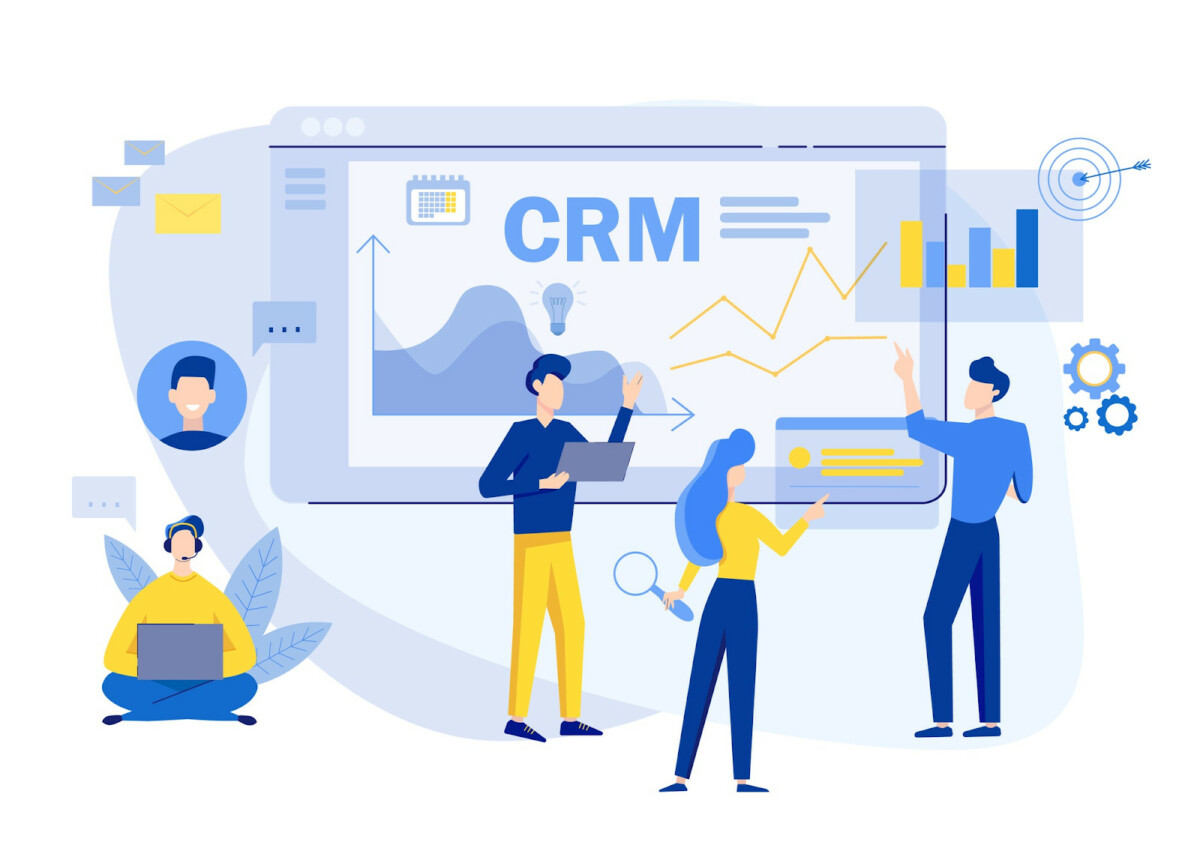
A CRM tool can help them do this and make sure that they don’t lose any customers or deals by not having a proper understanding of what is happening in their business, which is why they are implementing CRM tools in their businesses.There are many reasons why real estate companies should use CRM tools.
- CRM tools allow companies to keep track of all the important information that relates to their clients, including contact information, preferences, and other personal data.
- This helps companies to better understand their customers and identify potential problems or opportunities before they arise.
- Additionally, CRM tools can help companies to manage customer interactions more efficiently.
For example, by tracking how often a client interacts with a company’s website or by analyzing customer feedback data, real estate companies can make sure that they are providing their clients with the best possible experience. Real estate companies need a CRM tool that can help them in this regard and make sure that they don’t waste time on unimportant information that is not relevant to their client’s needs.
What features should CRM tools include for Real Estate agents?
(source: https://images.app.goo.gl/7DCWzAaxvzsZ4rHG8)
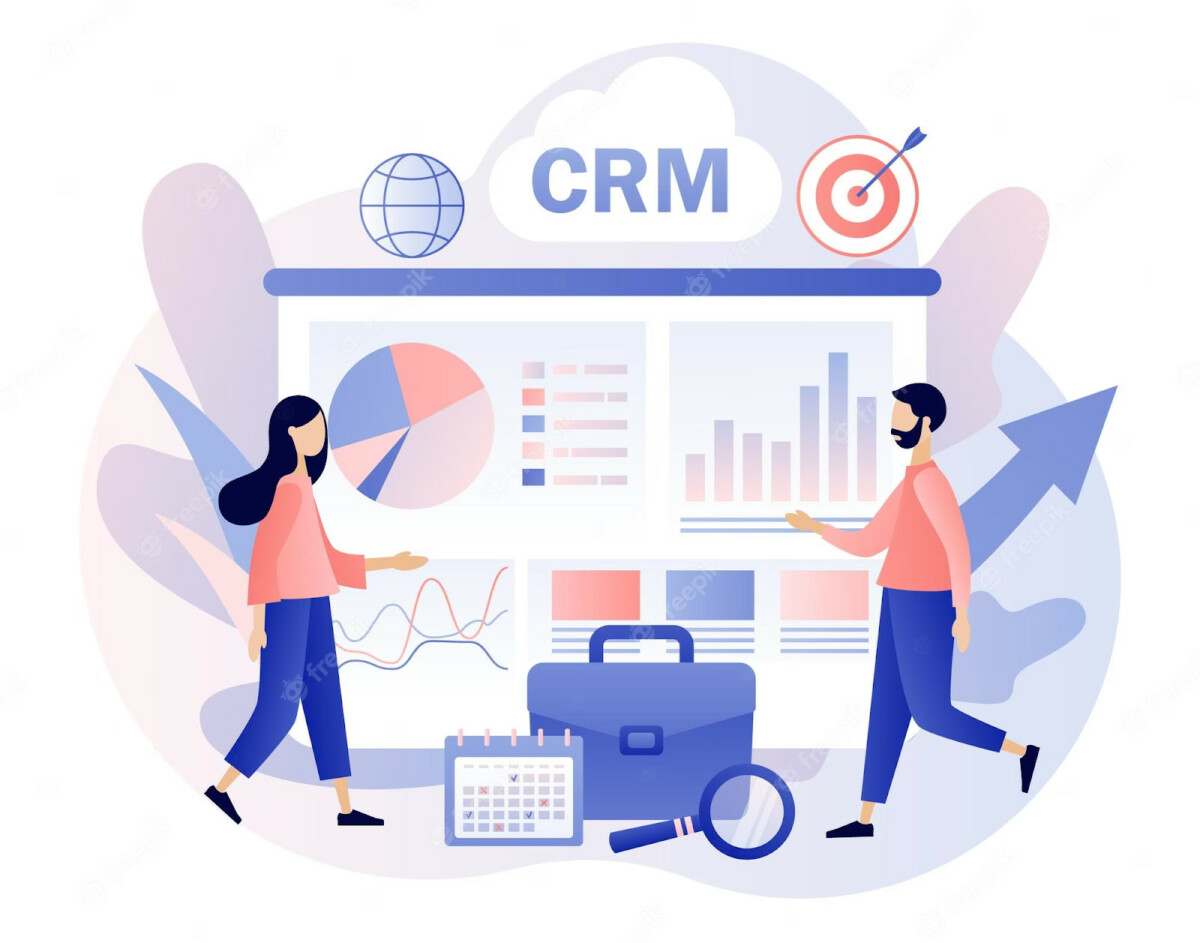
Real estate agents are in a very competitive market and they need to be able to increase their revenue. To do that, they need to find out what their clients want and then sell it to them. CRM tools can be used to manage all aspects of a Real Estate agency. They can also be used to manage client relationships, track leads and sales, analyze revenue and expenses, communicate with clients, and much more.
Centralized real estate management is a critical component of any successful real estate business. By integrating your CRM with the industry’s most popular software, you can keep track of all the important information that your agents need to provide their clients. Additionally, you can manage agent relationships and communicate with them directly through email or phone.
What types of integrations are important with CRM tools for Real Estate agents?
The integration of CRM tools with software platforms like Salesforce is a very important topic in the industry. Many companies have started to offer CRM integrations with their software. There are a few different types of integrations that are necessary for CRM tools for real estate agents. These include:
- Marketing and sales automation,
- Lead management and conversion tracking
- Order management.
Integrations with CRM tools are important for Real Estate agents to ensure that their business is running smoothly.
By integrating with a variety of CRM tools, agents can manage and keep track of their clients, property listings, and other critical business data. This makes it easier for agents to communicate with customers, manage paperwork, and more easily access information.
The integration of all these CRM tools is necessary for agents because they have multiple contacts with their clients, so they need to keep track of all these contacts in one place.
What are the benefits of using CRM tools for Real Estate companies?

(source:https://images.app.goo.gl/uefMnhanLd9rV2A69)
Real estate companies are in the process of transforming from a buyer-driven industry to a seller-driven one. They have to deal with the changing dynamics of their competition and the way they interact with their clients.
To be able to compete effectively, they need to be able to track and understand their client’s needs and preferences, as well as their buying and selling activities. The data they gather can help them make informed decisions on how best to market themselves and identify new growth opportunities.
Many benefits can be derived from using CRM tools for real estate companies.
- For starters, it can help to keep track of all the necessary information related to a property, such as prices and square footage. This information can then be used to make better decisions when it comes time to buy or sell a property.
- Additionally, CRM tools can also help to organize and track all of the company’s marketing efforts. This data can be used to develop better strategies for reaching potential customers and expanding the reach of the company’s marketing campaigns.
Overall, using CRM tools can provide businesses with valuable information that they could not otherwise obtain.
How to choose the right CRM tool for your Real Estate business?
There are many CRM tools available for real estate businesses. You can choose the one that is perfect for your business and fits your needs. CRM tools are the most important tool for any business. CRM tools provide a way to manage and track all your leads, prospects, and customers in one place.
If you are just starting in the real estate business, it is best to start with a CRM tool that is easy to use, affordable, and has a lot of features. If you are looking for more advanced features, then you should consider using an enterprise-level CRM tool. The three main factors that you should consider when choosing the right CRM tool for your Real Estate business are:
- Cost
- Features
- User-friendliness
CRM tools are used by businesses to track and manage their clients. They can be used for marketing, sales, and other business-related tasks. However, not all CRM tools are made for the same purpose.
How much do CRM tools cost for the Real Estate industry?

(source: https://images.app.goo.gl/33BgSBVLas1cnK6L8)
CRM tools are a type of software that helps businesses manage their customers and prospects. They help to achieve better customer engagement, increase revenue, and improve customer retention.
CRM tools cost a lot for the Real Estate industry. They are not only expensive but also require a lot of time and effort to manage. With CRM tools, it is possible to automate the process of managing leads, tracking customer information, and managing contact history.
The cost of CRM tools varies depending on the features they offer. The more features they have, the higher the price tag they come with. However, there are ways to save money by getting a CRM tool that has fewer features but still offers great value for money.
CRM products can generally be found for around $100-$500 per roll-out. This includes features such as customer loyalty programs, contact management, and lead-gen capabilities. For real estate professionals, a more expensive option may include features such as property viewing or zoning features.
Why are CRM tools necessary for the success of your Real Estate business?
CRM tools are important for the success of your Real Estate business because they help you manage and track your leads. You can use them to see what is working in terms of lead generation and what isn’t. There are some reasons why using CRM tools in your real estate business is important.
- CRM tools can help manage customer data better so that you can better understand who is buying and selling properties.
- By tracking property sales and transactions, you can create an accurate record of the business. This information can be used to support marketing efforts and price negotiations with potential buyers.
Finally, by having an accurate history of all customer interactions, you can hold customers accountable for their actions and ensure they are returning to your business again in the future.
How to implement CRM tools as a realtor?
The real estate industry is changing rapidly. With the rise of digital marketing and technology, the real estate business has become more accessible to both buyers and sellers. This can be attributed to the development of CRM tools that provide a comprehensive view of all aspects of a property’s listing, including listings on other websites.
CRM tools allow agents to have an easier time managing their clientele and providing services. They are also beneficial for agents who want to grow their business by streamlining processes and offering better customer service. Additionally, CRM tools are beneficial for agents who want to make changes in their marketing strategy by acquiring new clients through these strategies.
There are a few things that you need to do to implement CRM tools as a realtor.
- First, you’ll need to determine which types of CRM software are best suited for your business. You might want to go with something like Salesforce or Hubspot.
- Next, you’ll need to create an account and set up your preferences. Once you have everything set up, it’s time to start using the tools! You can use the tools to manage all of your sales data, track client interactions, and more.
Finally, be sure to keep an eye on your marketing efforts and make sure that you’re using the right channels to reach your target audience.
Which type of real estate companies should buy CRM software?
CRM software is an essential tool for any real estate company. It helps them to manage their leads, track the progress of their marketing campaign and make sure that they are not missing out on any opportunity. While some companies prefer to do all the work themselves, others hire a CRM software provider to help them with the process. Which type of company should buy CRM software?
Real estate companies are looking for CRM software that will help them manage their business. This is because the industry is highly competitive and requires constant monitoring of its current and potential clients. The following are the most common types of real estate companies:
- Residential Real Estate Companies: These companies deal with houses, apartments, and condos. They also provide services such as property management, brokerage services, property listings, etc.
- Commercial Real Estate Companies: These companies deal with commercial properties like offices, warehouses, retail stores, etc. They also provide services such as property management, brokerage services, property listings, etc.
- Investment Real Estate Companies: These companies invest in real estate properties that they own or manage on behalf of others. They also provide services such as property management, brokerage services, property listings
- Development Real Estate Companies: Develop new residential or commercial properties on behalf of their clients or for themselves to sell at a later date
Real estate companies should buy CRM software when they want to streamline their operations and get more out of their time. The software helps them manage all the aspects of the company, including customer relations management, marketing, sales, and more.
Final thoughts on using CRM tools for real estate agents

(source: https://images.app.goo.gl/hDwUiDPPp8dC9koJ9)
As a real estate agent, I believe that CRM tools can be a great tool to use. As they provide insights into the market and help me better understand my client’s needs. It is important to note that not all CRM tools are created equal. Some are better than others. I would recommend looking into the different features of each tool before deciding which one is best for you and your business.
The use of CRM tools in the real estate industry has increased with the advent of technology. With these tools, agents can stay connected with their clients. And they can also make sure that they are not missing any opportunity.
Top 10 CRM tools for real estate agents
| Pipeline | |||
| Pipedrive | |||
| Kommo | |||
| Engagebay | |||
| Capsule CRM | |||
| Less Annoying CRM | |||
| Salesmate | |||
| Nethunt CRM | |||
| Agile CRM | |||
| Octopus CRM |