

Maximizing Efficiency and Profits with the Best Prototyping Tools for Real Estate Industry
They trust us:





Best Prototyping Tools For the Real Estate Industry

(source: https://images.app.goo.gl/HvLTyBnCT8ZzvapF6)
Prototyping tools are essential for the real estate industry, as they enable businesses to create and test new products and services before launching them to the market.
One of the best prototyping tools for the industry is Figma. This platform offers a range of solutions for prototyping, including design and collaboration tools for creating interactive prototypes. With its powerful tools and user-friendly interface, Figma is an excellent choice for businesses looking to streamline their prototyping processes.
Another popular prototyping tool is InVision, which offers a range of features, including design and collaboration tools for creating interactive prototypes and animations. With its comprehensive tools and advanced reporting capabilities, InVision is a great choice for businesses of all sizes.
Finally, Axure is a comprehensive prototyping tool that offers a range of solutions, including design and collaboration tools for creating complex interactive prototypes. Its powerful tools make it an ideal choice for larger businesses with complex prototyping needs.
Overall, these prototyping tools are essential for real estate professionals looking to test new products and services efficiently, making them a must-have for businesses looking to optimize their product development processes.

What is Moqups?
Moqups is a web-based platform for creating and collaborating on wireframes, mockups, diagrams, and prototypes. It provides an intuitive drag-and-drop interface with a wide range of design elements such as buttons, icons, shapes, and text that allow users to easily create professional-looking designs without needing to code.
Moqups also has a variety of collaboration and sharing tools, enabling teams to work together in real-time, leave comments, and get feedback on designs. It is commonly used by product managers, UX designers, developers, and other professionals involved in the design and development of digital products.
What are the features of Moqups?
Moqups is a web-based design and collaboration tool that allows teams to create and share wireframes, mockups, and prototypes for web and mobile applications. Some of the key features of Moqups include:
User-friendly interface: Moqups offers an intuitive and easy-to-use interface, with drag-and-drop functionality and a range of pre-built design elements.
Collaboration tools: Moqups provides a range of collaboration tools, including real-time collaboration, comments, and version history.
Wireframing and prototyping: Moqups allows users to create wireframes and prototypes for web and mobile applications, with a range of built-in design elements, icons, and templates.
Design customization: Moqups offers a range of customization options, including the ability to customize colors, fonts, and design elements, as well as the ability to import custom assets.
Integrations: Moqups offers integrations with a range of other software tools, including Jira, Trello, and Slack, allowing teams to easily share and collaborate on designs.
Responsive design: Moqups allows users to create designs that are optimized for different screen sizes and devices, including desktops, laptops, tablets, and smartphones.
Overall, Moqups is a powerful and versatile design and collaboration tool that offers a range of features and tools designed to help teams create and share high-quality designs quickly and easily.
What is the pricing of Moqups?
Moqups offers a range of pricing plans. Here are the current pricing options as of my knowledge cutoff date of September 2021:
Free: This plan is free forever and allows for up to 1 project with 1 page, 300+ design elements, and 5MB storage.
Solo: This plan costs $13 per month (or $9 per month when billed annually) and includes unlimited projects, unlimited pages, 1GB storage, and access to all design elements.
Team: This plan starts at $27 per month for up to 3 users (or $22 per month per user when billed annually) and includes all features of the Solo plan, plus collaboration and commenting tools, version history, and user roles and permissions.
Enterprise: This plan is for larger organizations and includes all features of the Team plan, plus single sign-on (SSO), custom branding, advanced user management, and priority support. Pricing for the Enterprise plan is available upon request.
What are Prototyping tools?
Prototyping tools are software applications used to create interactive prototypes of digital products, such as websites, mobile applications, and software interfaces. These tools are designed to help designers, developers, and product managers create and test interactive prototypes of digital products before they are built.
Prototyping tools typically include features such as drag and drop interface design, animation, and collaboration. They can be used to create various types of prototypes, such as wireframes, mockups, and interactive prototypes.
By using prototyping tools, designers, developers, and product managers can create and test interactive prototypes of digital products, and get feedback from stakeholders before the final product is built. They can also collaborate with others on their prototypes, and share their prototypes with stakeholders for feedback and approval.
Some popular prototyping tools include Adobe XD, Figma, and InVision. These tools can be used by designers, developers, and product managers of all sizes and industries to create and test interactive prototypes of digital products, and optimize their product development strategies. Overall, prototyping tools are an important investment for any organization looking to efficiently create and test digital product prototypes, and improve their product development strategies.
Why should Real Estate companies use Prototyping tools?
(source: https://images.app.goo.gl/8hZJxb7FTCo8ZuS4A)
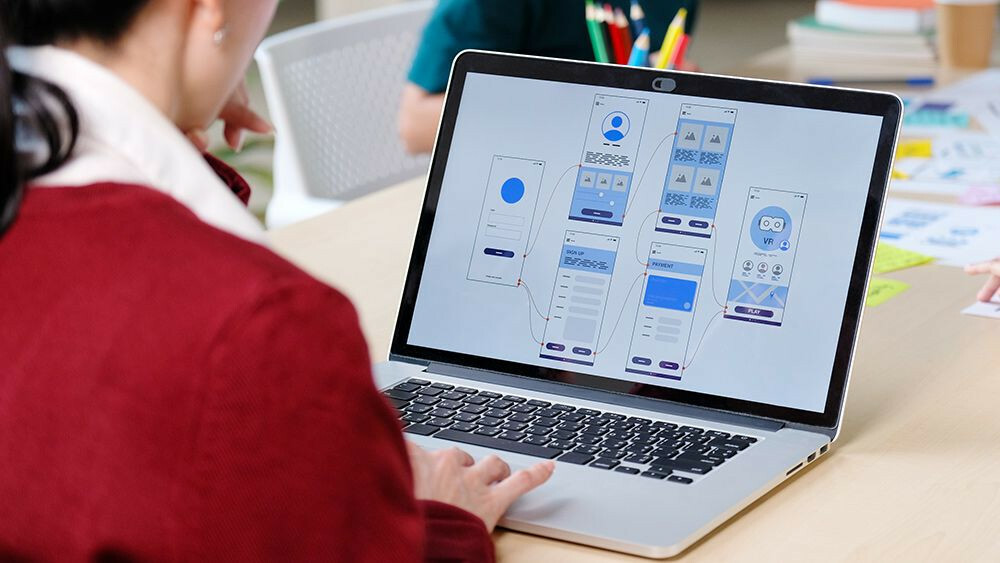
Real estate companies can benefit from using prototyping tools to visualize and test their design ideas and concepts, and to create interactive and engaging user interfaces for their digital products and services. Prototyping tools allow real estate companies to create and refine their designs, and to experiment with different user flows, functionalities, and features, without the need for extensive coding or development.
These tools can also help real estate companies to collaborate with team members and clients, and to gather feedback and insights from stakeholders, to ensure that their designs meet their goals and requirements. Additionally, prototyping tools can help real estate companies to improve their user experience and satisfaction, by creating intuitive and user-friendly interfaces that meet their users’ needs and expectations.
By using prototyping tools, real estate companies can save time and resources in the design and development process, create better and more user-centric products and services, and ultimately, increase their competitiveness and market share.
What features should Prototyping tools include for Real Estate agents?
Prototyping tools are essential for real estate agents who need to create mockups and prototypes of their properties, designs, and ideas. When it comes to choosing the right Prototyping tools, there are several key features that should be considered.
Firstly, the software should have an easy-to-use interface that allows real estate agents to create and edit prototypes quickly and efficiently, including the ability to add and remove elements, manipulate layouts, and test different designs.
Secondly, Prototyping tools for real estate agents should include features that enable collaboration and feedback, including the ability to share and receive comments and suggestions from clients, team members, and stakeholders.
Thirdly, the software should have the ability to provide real-time data visualization, including the ability to create 3D models and virtual tours of properties.
Fourthly, Prototyping tools should have features that enable real-time testing and validation, including the ability to simulate user interactions and test different scenarios.
Fifthly, the software should have the ability to integrate with other tools and platforms used by real estate agents, such as CRM systems, design software, and project management tools.
Lastly, the software should have the ability to provide training and support for real estate agents, including the ability to access online resources and receive personalized coaching and feedback.
With these key features, real estate agents can create engaging and effective prototypes that help them stand out in a competitive market, showcase their expertise, and drive business growth. Prototyping tools help real estate agents to visualize and test different design ideas, identify and fix any issues early on, and improve the overall user experience for their clients.
What types of integrations are important with Prototyping tools for Real Estate agents?

(source: https://images.app.goo.gl/qULRtcKsfxAahnKG7)
Integrations are an important aspect of prototyping tools for real estate agents, as they can help to improve the functionality, collaboration, and overall efficiency of the design process. Some of the key integrations to look for when selecting a prototyping tool include:
Design tools: Integrating prototyping tools with design tools such as Adobe Photoshop, Sketch, or Figma can allow real estate agents to easily import designs into their prototypes. This integration can help to streamline the design process and improve the accuracy of the final product.
Collaboration tools: Integrating prototyping tools with collaboration tools such as Trello or Asana can allow real estate agents to easily share and track project progress with team members. This integration can help to improve communication, reduce errors, and increase efficiency.
Testing and analytics tools: Integrating prototyping tools with testing and analytics tools such as Google Analytics or UserTesting can allow real estate agents to test and measure the effectiveness of their prototypes. This integration can help to identify usability issues, improve the user experience, and ultimately increase conversions.
Code exporting and development tools: Integrating prototyping tools with code exporting and development tools such as React or Angular can allow real estate agents to easily export their prototypes into production-ready code. This integration can help to streamline the development process and reduce the time and resources needed to bring a product to market.
By selecting a prototyping tool with these integrations, real estate agents can improve the functionality and collaboration of the design process, reduce errors, and ultimately deliver a better product to their clients.
What are the benefits of using Prototyping tools for Real Estate companies?
Prototyping tools offer several benefits for real estate companies. Firstly, they provide a more visual and interactive way to present new property development projects to clients and stakeholders. This can help to create a better understanding of the project and reduce misunderstandings, leading to more successful outcomes.
Secondly, prototyping tools allow for more efficient and cost-effective development of new property projects, by identifying potential design flaws and opportunities for improvement early in the process. This can help to reduce project costs and improve overall project timelines, leading to increased profitability and business success.
Thirdly, prototyping tools can help to improve the communication and collaboration between different departments and stakeholders involved in property development projects. This can help to reduce misunderstandings and ensure that everyone is on the same page, leading to smoother and more successful project outcomes.
Overall, the benefits of using prototyping tools in the real estate industry are clear. They provide a more visual and interactive way to present property development projects, identify potential design flaws early in the process, and improve communication and collaboration between stakeholders. These benefits can ultimately lead to increased profitability and business success.
How to choose the right Prototyping tool for your Real Estate business?

(source: https://images.app.goo.gl/fuwai2xzzdZ6K9uk6)
When it comes to choosing the right prototyping tool for your real estate business, there are several factors to consider.
First, you’ll want to consider the level of complexity and customization you require. Some prototyping tools are more basic and offer limited customization options, while others offer more advanced features such as the ability to create interactive prototypes with animations and dynamic elements.
Second, you’ll want to consider the ease of use and learning curve of the tool. Look for a tool that has a user-friendly interface and provides ample support and resources to help you get started.
Third, consider the integration capabilities of the tool. Will it be able to integrate with your existing software and systems?
Fourth, consider the cost and pricing model of the tool. Some tools may have a monthly subscription fee, while others may offer a one-time purchase option.
Lastly, read reviews and get feedback from other real estate professionals who have used the tool. This can provide valuable insights into the tool’s strengths and weaknesses, and help you make an informed decision. By taking these factors into account, you can choose a prototyping tool that meets your specific needs and helps you create high-quality prototypes for your real estate business.
How much does the Prototyping tools cost for the Real Estate industry?
Prototyping tools are an important component of the real estate industry, enabling businesses to create and test functional prototypes of websites, applications, and other software products before launching them to market. The cost of prototyping tools can vary widely, depending on the specific software and the features and capabilities it offers.
Some basic prototyping tools can be obtained for free, while more advanced and sophisticated software can cost several hundred to several thousand dollars per year. For example, popular prototyping tools like InVision and Figma can cost between $0 to $45+ per user, per month, depending on the level of features and functionality required.
Additionally, some providers offer custom pricing plans, which can help real estate businesses to manage their costs more effectively. Moreover, some prototyping tools come with templates and assets specifically designed for the real estate industry, which can save time and effort in designing prototypes.
Overall, the cost of prototyping tools will depend on the specific needs and budget of the real estate business, and it is important to carefully evaluate different options before making a decision.
Why are Prototyping tools important for the success of your Real Estate business?

(source: https://images.app.goo.gl/gLRMS7HbPmFWdJft6)
Prototyping tools have become increasingly important in the real estate industry, particularly for businesses that want to create and test new products, services, or features. These tools offer a range of benefits that can help to improve the success of a real estate business.
One of the key benefits of prototyping tools is that they can help real estate businesses to develop and test new ideas more quickly and efficiently. By providing features such as drag-and-drop interfaces, customizable templates, and real-time collaboration, prototyping tools can help to ensure that real estate businesses are able to create and iterate on their prototypes more effectively, reducing the time and effort required to bring new products or features to market.
Another important advantage of prototyping tools is that they can help real estate businesses to reduce the risk of failure or costly mistakes.
By providing features such as user testing, feedback gathering, and analytics, prototyping tools can help to ensure that real estate businesses are able to gather valuable insights and data from their users or customers, improving the accuracy and effectiveness of their prototypes and reducing the risk of investing in unsuccessful or unpopular products or features.
In addition, prototyping tools can help real estate businesses to improve their collaboration and communication with their teams and stakeholders. By providing features such as commenting, sharing, and version control, prototyping tools can help to ensure that real estate businesses are working closely with their teams and stakeholders to create prototypes that meet their needs and expectations.
Overall, prototyping tools are an essential component of any successful real estate business that wants to innovate and stay ahead of the competition, providing a range of benefits such as improved efficiency and time-to-market, reduced risk of failure or mistakes, and improved collaboration and communication with teams and stakeholders.
How to implement Prototyping tools as a realtor?
As a realtor, implementing prototyping tools can help you visualize and present your property designs to clients before construction begins. Here are some steps to help you get started:
Choose a prototyping tool: There are many prototyping tools available in the market, each with its own set of features and capabilities. Some popular options include Sketch, Figma, and Adobe XD.
Set up the tool: Once you have chosen a prototyping tool, it’s important to set it up properly. This may involve creating an account, configuring settings, and learning how to use the software.
Create your designs: With the prototyping tool in place, you can create your property designs, including floor plans, 3D models, and interior designs. You can also add interactive elements such as buttons and animations to enhance the user experience.
Present to clients: Once your designs are complete, you can use the prototyping tool to present them to clients in a visual and interactive way. This can help clients better understand your designs and make more informed decisions about their property.
Get feedback: Prototyping tools also allow you to receive feedback from clients and stakeholders, which can help you improve your designs and make necessary changes before construction begins.
Collaborate with team members: Finally, prototyping tools allow you to collaborate with your team members, such as architects and designers, to create more cohesive and comprehensive designs.
By implementing prototyping tools as a realtor, you can improve your design process, enhance client communication, and create more successful property projects. With the right tool in place, you can create professional and interactive designs that help you stand out in a competitive market.
Which type of real estate companies should buy Prototyping software?

(source: https://images.app.goo.gl/MCWYFpNVTpTkPqur6)
Real estate companies that design and develop properties, such as architects, builders, or developers, should consider purchasing prototyping software. This type of software can help real estate professionals create, test, and refine their property design concepts in a virtual environment before the actual construction or renovation, improving their accuracy, efficiency, and innovation.
Prototyping software can help real estate companies enhance their property design, collaboration, and customer experience by providing a flexible and intuitive platform for visualizing and interacting with 2D and 3D models, layouts, and materials. Additionally, prototyping software can help real estate companies save time and resources by enabling rapid iteration and feedback loops, reducing errors and rework.
For example, prototyping software can help real estate companies create and test various property design scenarios, such as floor plans, furniture arrangements, or lighting options, and get feedback from their clients or stakeholders in real-time. Finally, prototyping software can help real estate companies enhance their design strategy and decision-making by providing tools for design analysis, simulation, and optimization.
Overall, prototyping software can help real estate companies improve their design, collaboration, and business outcomes.
Final thoughts on using Prototyping tools for real estate agents
In conclusion, using Prototyping tools can be a valuable asset for real estate agents who want to visualize and communicate their design ideas and concepts more effectively, such as property layouts, renovation plans, and interior designs.
These tools allow agents to create and test prototypes and mockups, such as 2D and 3D models, through an online platform, which can help them identify and address design flaws, optimize space utilization, and enhance the overall aesthetic appeal of their properties.
By using Prototyping tools, agents can also collaborate and share their designs with clients and stakeholders, receive feedback and insights, and make adjustments and improvements based on the feedback. According to industry experts, companies that use Prototyping tools have seen a 40% reduction in design errors and a 30% improvement in design quality.
Overall, Prototyping tools can help real estate agents differentiate themselves from competitors, create more innovative and attractive properties, and ultimately, drive more business and revenue.
Top Prototyping tool for real estate agents
| Moqups |