

Vacant retail space is expensive.
Mortgage payments, service charges, insurance, utilities, and business rates continue whether your shop is occupied or not. And in many cities, long-term retail demand has shifted — meaning longer void periods and increased pressure on landlords.
If you’re wondering how to monetize empty retail space without locking into another long-term lease too quickly, this guide breaks down:
- How short-term retail rentals work
- How much landlords can realistically earn
- How to prepare your space
- How to price and market it
- How to reduce risk
- How to generate income while searching for a long-term tenant
Short-term retail is no longer a temporary fix. For many landlords, it’s a modern leasing strategy.
Why Traditional Retail Leasing Has Changed
For years, 5–10 year leases were the gold standard.
Today:
- Digitally native brands are testing physical retail
- Established brands run short-term activations
- Marketing budgets are shifting toward experiential retail
- Flexibility is often more valuable than permanence
Brands increasingly prefer:
- Two-week activations
- One-month launches
- Seasonal pop-ups
- Temporary flagship trials
That shift creates an opportunity for landlords with vacant space.
Instead of waiting months for a “perfect” tenant, you can activate your property with multiple short-term renters.
How Landlords Make Money From Short-Term Retail
Short-term retail works differently from traditional leases.
Instead of fixed monthly rent, landlords typically charge:
- Daily rates
- Weekly rates
- Monthly short-term rates
- Premium pricing during peak periods
In high-demand areas, short-term rates normally easily exceed traditional lease rent on a pro-rata basis.
Example (Illustrative)
1,200 sq ft retail space:
- Traditional lease: $10,000/month
- Short-term strategy:
- 2-week fashion pop-up: $7,000
- 1-month beauty brand: $15,000
- 2-week art activation: $6,000
Two months total: $28,000
Even accounting for vacancy gaps, the revenue potential can rival or exceed conventional leasing — especially during high-traffic seasons.
Short-term retail also allows dynamic pricing:
- Holiday season premiums
- Fashion week surges
- Local event boosts
Is Short-Term Retail Risky?
The main concerns landlords have:
- Inconsistent occupancy
- Wear and tear
- Operational management
- Screening renters
These risks are manageable with:
- Clear contracts
- Deposits
- Defined terms
- Vetting tenants
- Using established platforms
Importantly, short-term leasing can act as a bridge strategy while you continue marketing for a long-term tenant.
Many landlords use it to:
- Offset operating costs
- Keep space active
- Maintain street presence
- Build relationships with growing brands
Some short-term tenants later convert into long-term leases.
Step 1: Prepare Your Retail Space Properly
Before listing, preparation matters.
Pop-up brands want:
- Neutral interiors
- Reliable lighting
- Power outlets
- Climate control
- Clean storefront visibility
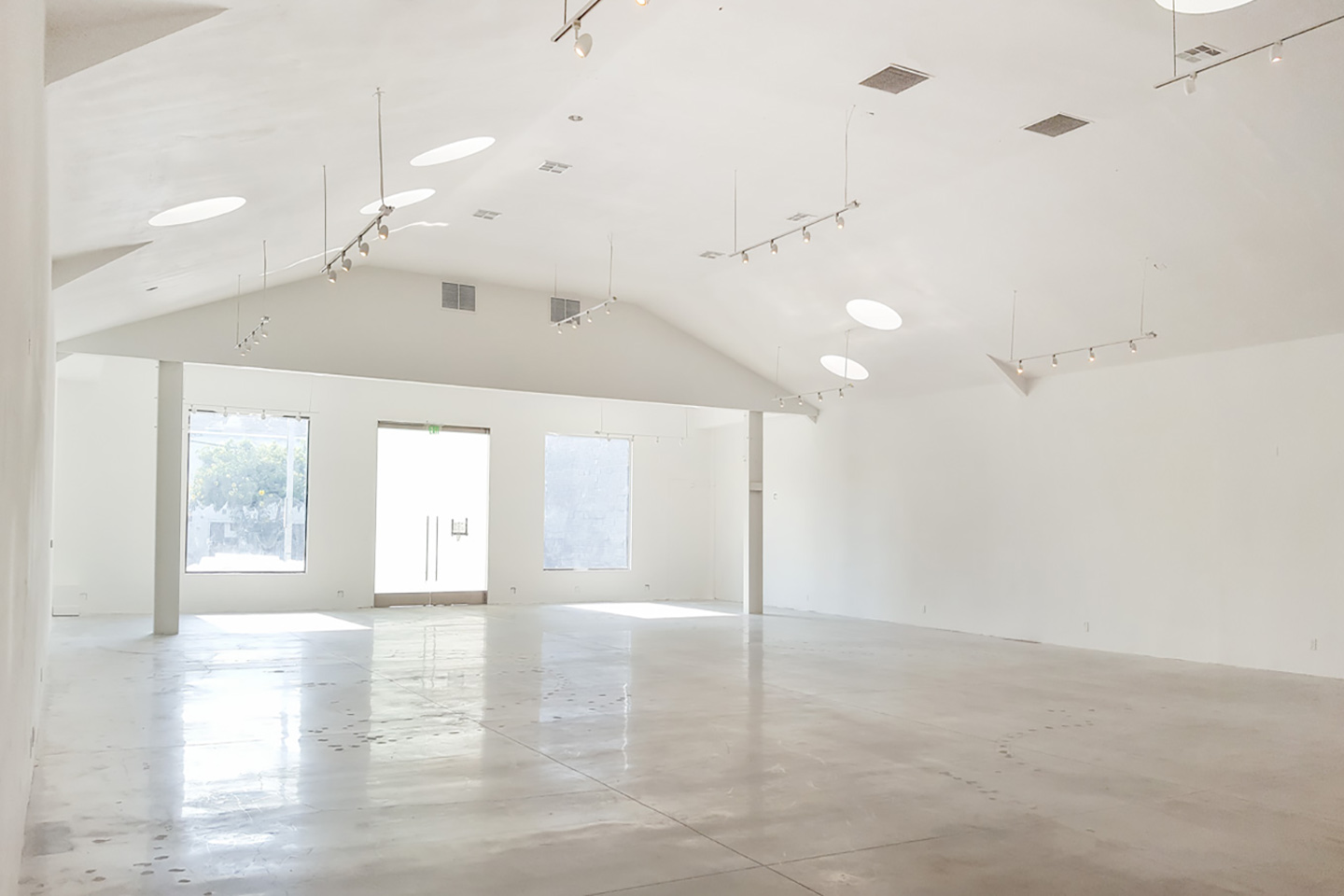
A true “white-box” space performs best.
For a full landlord checklist, read: How to Make Your Vacant Space Pop-Up Ready
Preparing properly increases:
- Booking speed
- Rate confidence
- Tenant quality
Step 2: Price Your Space Strategically
Short-term pricing depends on:
- Location
- Foot traffic
- Square footage
- Visibility
- Amenities
- Seasonality
A simple approach:
- Identify long-term market rent.
- Convert to daily equivalent.
- Apply premium (20–60%) for short-term flexibility.
Example:
If long-term rent = $9,000/month
Daily equivalent ≈ $300
Short-term rate may range $350–$500/day depending on demand.
Premium locations often command significantly higher rates.
Step 3: List Your Space Where Brands Are Actively Searching
Visibility is critical.
You can market your space independently — but platforms dramatically increase exposure.
On Storefront, thousands of brands actively search for short-term retail space worldwide.
The first step to listing is simple: Create your listing
Listing is free and includes:
- A live public listing
- Up to three inquiries per month
For landlords seeking higher volume:
- Paid plans remove the inquiry cap
- First-time users can access a 45-day unlimited free trial
- Boost options increase visibility (often significantly increasing inquiries)
If you want to explore listing options: Learn more about listing your space
That said, the core strategy remains the same — maximize visibility wherever qualified brands are already searching.
Step 4: Optimize Your Listing for Maximum Inquiries
Simply listing your space isn’t enough.
High-performing listings include:
- Professional photography
- Clear dimensions
- Accurate amenities
- Fast response times
- Transparent pricing
To improve performance, read: How to Make Your Short-Term Property Listing Stand Out
Even small improvements can significantly increase booking volume.
Why Keeping Your Retail Space Active Matters
Vacant storefronts:
- Reduce perceived demand
- Lower street value
- Decrease foot traffic
- Make long-term tenants hesitant
Active spaces:
- Increase local visibility
- Improve neighborhood perception
- Generate social media exposure
- Attract repeat visitors
An active storefront markets itself far better than an empty one.
What Types of Brands Rent Empty Retail Space?
Common short-term tenants include:
- Direct-to-consumer brands testing physical retail
- Fashion labels launching collections
- Beauty brands running experiential activations
- Art galleries
- Tech brands hosting product demos
- Seasonal retailers
The retail model is evolving — and landlords who adapt benefit from that shift.
Frequently Asked Questions
What is the best way to monetize empty retail space?
Short-term retail rentals and pop-up activations are among the most flexible and potentially lucrative options. They allow landlords to generate income while maintaining control of their property.
Is short-term retail more profitable than long-term leasing?
It can be. While occupancy may fluctuate, daily and weekly pricing often exceeds traditional lease rates on a pro-rata basis — particularly in strong locations.
Can I use short-term rentals while looking for a long-term tenant?
Yes. Many landlords use short-term retail as a bridge strategy to offset costs while continuing to market for permanent tenants.
How quickly can I start earning?
Once your space is prepared and listed, inquiries can begin immediately — especially in high-demand markets.
Don’t Let Your Retail Space Sit Idle
Retail has changed — and leasing strategies must change with it.
Instead of waiting through extended vacancy periods, landlords can:
- Generate immediate income
- Maintain property visibility
- Build relationships with emerging brands
- Strengthen long-term negotiating power
Your empty retail space is not a liability — it’s an opportunity.
The question isn’t whether short-term retail works.
It’s whether you’re ready to activate your space.

Written by
Alexandra is a contributor for Storefront. Beyond offering up insights here, Alexandra is a copywriter and content strategist for retailers and retail industry leaders.
More from Alexandra Sheehan →Related posts:
 What is a pop-up shop? Everything you need to know to try short-term retail
 How to Set Up a Pop-Up Art Gallery: 8 Steps to Renting and Launching Your Exhibition
 Offline Marketing Ideas for Pop-Up Shops
 The 5 Types of Pop-Up Shops (With Examples) & How to Choose the Right One
 Automotive Pop-Up Shops: How Car Brands Use Temporary Showrooms to Launch, Test and Sell