

New York’s Lower East Side (LES) has long been a hub for creativity, independent retailers, and cultural energy. For pop-up shops, LES offers a unique combination of foot traffic, eclectic audiences, and streets that are ideal for experiential retail activations. Independent brands looking to test new concepts, launch limited-edition products, or build local awareness will find LES particularly rewarding.
For full pop-up planning guidance, start with our Complete Guide.
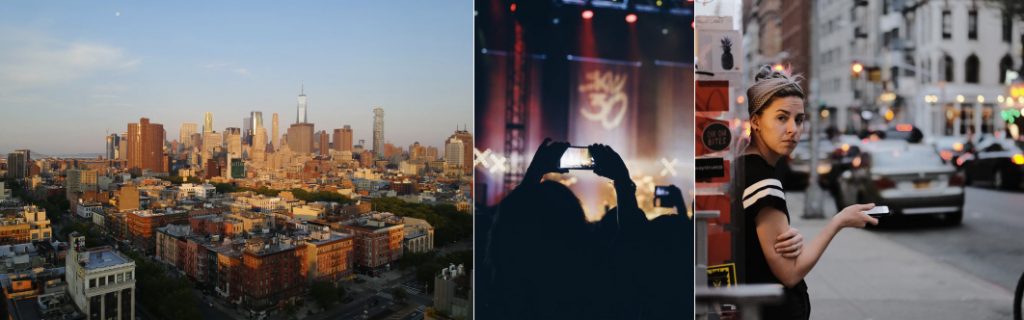
1. Why the Lower East Side Works for Independent Brands
LES stands out for its:
- Diverse, trend-conscious audience
- Mix of tourists, young professionals, and creatives
- Streets lined with boutique retailers, galleries, and cafés
- High pedestrian activity on weekends and evenings
The area’s energy allows independent brands to connect directly with a culturally engaged audience, generating social buzz and in-person feedback.
2. Key Streets and Footfall Patterns
Choosing the right street is crucial for visibility and sales:
- Orchard Street: Historic retail corridor with steady foot traffic
- Ludlow Street: Creative hub, ideal for experiential activations
- Allen Street: Connects foot traffic from nearby subway stops
- Bowery: Offers high visibility near established stores
Explore spaces on:
3. Audience Insights
Understanding LES visitors helps tailor your activation:
- Fashion and lifestyle enthusiasts seeking independent and artisanal brands
- Young professionals who value experiential retail and social media moments
- Tourists drawn to authentic, off-the-beaten-path experiences
By aligning your product mix and visual merchandising with the LES audience, brands can increase dwell time and conversions.
4. Pop-Up Space Considerations
LES offers varied spaces:
- Small boutique storefronts for niche or curated product lines
- Larger loft-style spaces suitable for experiential activations
- Corner units for maximum exposure and natural flow
See options: Browse LES pop-up spaces.
5. Storefront Visibility and Design
Design plays a key role in attracting footfall:
- Use large, engaging windows to highlight hero products
- Ensure the space feels approachable and Instagram-ready
- Create a clear path for customers to explore your offerings
For layout and visual merchandising tips, see: Designing a Pop-Up Shop in New York: Layout, Lighting & Visual Merchandising Tips.
6. Seasonal Opportunities
LES experiences peaks in foot traffic during:
- Art and fashion events
- Summer and spring months with tourists and locals
- Holiday periods, which encourage gift shopping and experiential visits
For broader seasonal ideas: Seasonal Pop-Up Opportunities in New York.
7. Budgeting for LES Pop-Ups
Rental rates vary across the neighbourhood:
- Main streets like Orchard and Bowery are higher cost but offer more exposure
- Smaller side streets like Eldridge or Rivington provide budget-friendly options
- Factor in marketing, staffing, insurance, and fit-out costs
See full budgeting guidance: How Much Does It Cost to Run a Pop-Up Shop in New York?.
8. Licensing, Permits, and Insurance
Ensure compliance before launch:
- Temporary Event Notices (TENs) if hosting events
- Public liability insurance for customer safety
- Any food or beverage licences if offering samples
For full legal guidance, see: New York Pop-Up Shop Regulations: Permits, Licences & Legal Requirement and Pop-Up Shop Insurance in New York: What You Need & How to Choose.
9. Marketing and Community Engagement
LES shoppers respond well to:
- Social media campaigns with location tags
- Collaborations with nearby cafés, galleries, or local events
- Early RSVP events or product previews
For pre-launch strategies: How to Build Buzz for Your New York Pop-Up Shop Before Opening
10. Operations and Staffing
Running a smooth LES pop-up requires:
- Knowledgeable, friendly staff to engage visitors
- Organized stockroom for quick replenishment
- Daily cashflow and sales tracking
- Collecting customer insights for future activations
See: Running a Pop-Up Shop in New York: Daily Operations Guide.
11. Measuring Success
Track metrics to evaluate your LES activation:
- Footfall and dwell time
- Sales performance and average order value
- Email sign-ups and social engagement
- Customer feedback and product interest
Complementary reading: Pop-Up Shop KPIs: What to Track in a New York Activation.
12. Next Steps After Your LES Activation
Use insights to:
- Decide whether to repeat or expand your LES presence
- Adjust product mix or pricing based on local demand
- Explore other neighbourhoods like Soho or Tribeca for future pop-ups
Related guides:
Final Thoughts
The Lower East Side is ideal for independent brands seeking a creative, dynamic environment. With the right street, clear design, and targeted audience engagement, LES pop-ups can drive visibility, social buzz, and meaningful sales.
For full planning, budgeting, and operational strategies, see the Complete Guide.

- How Much Does It Cost to Rent an Art Gallery? - February 26, 2026
- Shoreditch Neighborhood London Guide: London’s Hipster Hangout and Pop-Up Capital - February 26, 2026
- Pop-Up Shop Strategies by Industry: How Different Sectors Use Temporary Retail - February 25, 2026
Related posts:
 New York Fashion Week Reinvents Itself
 SoHo NYC Neighborhood Guide: Retail, Fashion & Pop-Up Shop Opportunities
 Nolita Neighborhood Guide: The Vibrant Heart of New York
 Chelsea London Area Guide: The Complete Chelsea Shopping Guide for Brands and Pop-Up Shops
 Pop Up Shops in Chicago: The Complete Guide to Opening a Temporary Retail Space