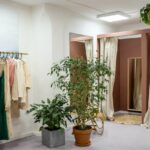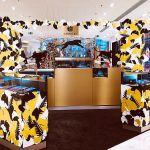
Designing your Paris pop-up shop goes beyond aesthetics—it directly impacts customer experience, sales, and brand perception. A well-designed space tells your brand story, encourages discovery, and maximises conversions. From floor plan to lighting, signage, and merchandising, every detail matters.
For a full overview of launching a Paris pop-up, see How to Start a Pop-Up Shop in Paris: The Complete Guide.
Parisian retail spaces demand refinement, but strong fundamentals in pop up store design should always guide layout and merchandising decisions.
1. Define Your Design Objectives
Before you plan your layout or displays, clarify your goals:
- Brand storytelling: Create an environment that communicates your brand’s identity.
- Sales optimisation: Place high-demand or high-margin products strategically.
- Customer flow: Ensure easy navigation and prevent congestion.
- Social sharing: Encourage customers to take photos with visually appealing elements. → Check out: How to Make Your Paris Pop-Up Shareable on Social Media
Design objectives will influence your choice of floor plan, fixtures, and lighting.
2. Plan Your Layout Strategically
A functional layout improves sales and customer experience:
- Entrance focus: Place hero products near the entry to grab attention.
- Zoning: Separate areas for browsing, testing, and checkout.
- Traffic flow: Ensure customers move naturally from entrance to key displays and exit.
- Accessibility: Keep aisles clear for strollers, wheelchairs, and high foot traffic in districts like Saint-Germain-des-Prés, 6th arrondissement or Champs-Élysées, 8th arrondissement.
For neighbourhood guidance, see How to Choose the Best Paris Neighbourhood for Your Pop-Up.
3. Lighting: Function Meets Atmosphere
Lighting sets mood, highlights products, and directs attention:
- Spotlighting hero products: Draw attention to key items or seasonal launches.
- Ambient lighting: Create a welcoming and consistent brand atmosphere.
- Task lighting: Ensure staff can work efficiently at checkout or product testing areas.
- Natural light: Take advantage of windows in locations like Le Marais, 3rd arrondissement to enhance product appeal.
Lighting should complement your brand story while enhancing the shopping experience.
4. Merchandising Techniques
Effective merchandising maximises sales and customer engagement:
- Grouping products: Bundle complementary items to encourage upsells.
- Eye-level placement: Position popular or high-margin products at eye level for visibility.
- Thematic displays: Rotate displays to reflect seasonal themes, new collections, or limited editions.
- Interactive displays: Encourage customers to touch, try, or engage with products.
- Social engagement: Design Instagrammable moments with clear brand elements. → Read: How to Create an Immersive Pop-Up Experience in Paris
5. Fixtures and Furniture Selection
Choose fixtures that align with your brand and functionality needs:
- Modular shelving for flexible layouts
- Lightweight displays for easy repositioning
- Branded signage to reinforce identity
- Comfortable seating in experiential zones or for food activations
Consider short-term rental options for pop-ups in high-demand districts like Oberkampf, 11th arrondissement.
6. Visual Storytelling and Signage
Visual storytelling engages visitors and encourages purchases:
- Window displays: Capture attention of passersby in busy streets like Gare du Nord, 10th arrondissement.
- Wayfinding signage: Guide customers from entry to checkout or featured areas.
- Product information: Include price, description, and QR codes linking to online content.
- Branded graphics: Reinforce your brand identity consistently throughout the space.
See How to Build an Immersive Pop-Up Experience in Paris for advanced experiential ideas.
7. Planning for Customer Flow and Comfort
Optimise the space to maximise dwell time and satisfaction:
- Avoid cluttered aisles or crowded displays
- Provide seating areas or demo stations where relevant
- Maintain a logical flow from entrance to product zones to checkout
- Use subtle cues like floor markers or lighting to guide movement
High-traffic locations like Montmartre, 18th arrondissement may require additional attention to spacing and flow.
8. Incorporating Technology
Technology can enhance both operations and experience:
- Digital displays: Highlight promotions, videos, or storytelling content
- Interactive kiosks: Allow customers to browse full collections or check stock
- POS integration: Track sales and inventory while offering a smooth checkout → How to Choose the Right POS for Your Paris Pop-Up
Tech elements should feel integrated and not overwhelm the space.
9. Testing and Iterating
Before opening:
- Conduct a soft launch to test layout, lighting, and merchandising effectiveness
- Gather feedback from staff and early customers
- Adjust displays or product placement to optimise flow and sales
For strategies on product testing, see How to Test Your Product or Brand With a Paris Pop-Up.
Final Thoughts
Designing your Paris pop-up is a balance of aesthetics, functionality, and brand storytelling. From layout and lighting to merchandising and interactive experiences, each decision impacts sales, customer satisfaction, and brand perception. By carefully planning your space, selecting the right fixtures, and incorporating engaging visual and technological elements, you create a memorable and profitable retail activation. Integrating POS systems, neighbourhood insights, and operational strategies ensures your pop-up runs smoothly from day one to closing day.

- Seasonal Pop-Up Shops: Retail Ideas for Every Holiday and Occasion - March 5, 2026
- Mother’s Day Pop-Up Shops: Ideas, Examples and Retail Strategy - March 5, 2026
- Summer Pop-Up Shops: Ideas, Examples and Retail Strategy - March 5, 2026