We use cookies and similar technologies to track your activity and improve your experience.
Sort by
Recommended
See on map
Fast Responder
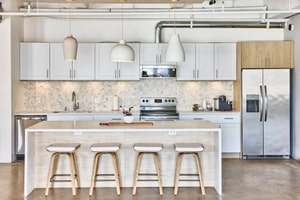
Event Space
∙
Downtown Los Angeles
2,000 sq ft
from $1,200 per day
Fast Responder
See on map
Fast Responder

Creative Space
∙
Arts District
2,000 sq ft
from $2,400 per day
Fast Responder
5(1)
See on map

Restaurant / Bar / Cafe
∙
Downtown Los Angeles
3,500 sq ft
from $3,000 per day
See on map

See on map

Creative Space
∙
Downtown Los Angeles
2,500 sq ft
from $480 per day
See on map

Photo / Filming Studio
∙
Downtown Los Angeles
1,200 sq ft
from $360 per day
See on map

Event Space
∙
Downtown Los Angeles
2,711 sq ft
from $3,600 per day
See on map

Art Gallery
∙
Downtown Los Angeles
1,200 sq ft
from $1,200 per day
See on map

Shop Share Space in the Arts District, Los Angeles
Shop share space in the Arts District lets you split a retail footprint with another brand, cutting costs while landing in one of LA's most creative and high-traffic neighborhoods. The Arts District draws a dense mix of local residents, design professionals, and tourists, making it a strong testing ground for emerging brands, DTC labels, and independent retailers. Browse available shared retail space below and book directly through Storefront.
Why Choose a Shop Share in the Arts District
The Arts District sits just east of Downtown LA and has transformed over the past decade into a genuine retail and cultural destination. Former warehouses and industrial lofts now house concept stores, art galleries, coffee roasters, and independent boutiques. Foot traffic is consistent, skewing toward design-aware, higher-income consumers who actively seek out independent brands.
A shop share arrangement in this neighborhood makes particular sense for brands that want the credibility of a physical Arts District address without committing to a full lease. You share the space, the overheads, and often the operational setup with a complementary brand, which means lower weekly costs and a built-in sense of curation that resonates with Arts District shoppers.
Typical weekly rates for shared retail space in the Arts District run from around $800 to $3,000 depending on the size of the unit, the split arrangement, and the street. Traction Streets include Mateo, Alameda, and 6th Street, all of which carry strong independent retail footfall.
For a broader look at what shop sharing can offer across the city, the Shop Share project page explains the format, typical lease structures, and how to find the right co-tenant match.
What to Expect from Shared Retail Space Here
Shared retail space in the Arts District typically comes in two formats. The first is a concession-style split where two or more brands occupy clearly defined sections of a larger floor plate. The second is a time-share arrangement where different brands rotate across the same space on different days or weeks.
Both formats work well in this neighborhood. The Arts District's customer base is accustomed to discovery retail, meaning shoppers expect to encounter brands they have not seen before. A well-curated split space, where two complementary brands share a unit, can actually perform better than a single-brand occupancy because the combined story feels more considered.
Spaces available through Storefront in the Arts District range from small street-level units of around 200 to 400 sq ft up to larger open-plan loft spaces exceeding 1,500 sq ft. Many listings include fixtures, display units, and point-of-sale infrastructure, which reduces setup time significantly.
If you are also considering other LA neighborhoods, Shop Share Space In Los Angeles gives you a full city-wide view of available shared retail listings.
Best Streets and Pockets for a Shop Share in the Arts District
The Arts District is not uniform. Knowing which pockets carry the most retail energy helps you pick the right listing.
-
Mateo Street is the neighborhood's commercial spine. Anchor tenants include established homeware, fashion, and food concepts. Foot traffic is the highest in the district and the street commands a premium accordingly.
-
6th Street (east of the Arts District core) offers a mix of gallery-adjacent retail and coffee-driven footfall. Better for brands with a strong visual identity that benefits from gallery-style display.
-
Alameda Street carries through-traffic from DTLA and has a more utilitarian feel, which tends to attract fitness, lifestyle, and food-adjacent brands rather than pure fashion or accessories.
-
Traction Avenue sits close to the Row DTLA complex and sees strong weekend traffic from the cluster of concept restaurants and art spaces in that pocket.
For comparison, Shared Shops in Chinatown, Los Angeles is worth reviewing if you want a neighborhood with lower average rates and a growing independent retail scene a short drive north.
Who Uses Shop Share Spaces in the Arts District
The format attracts a specific profile of brand. DTC and e-commerce labels testing physical retail for the first time are the most common users. A shared space cuts the financial risk of a first physical activation while still delivering the brand experience data that pure digital cannot provide.
Independent designers, particularly in fashion, ceramics, and homeware, use shop shares to maintain a presence during peak periods like the holiday season or during LA market weeks without paying for a standalone unit year-round.
Beauty and wellness brands have increasingly used the Arts District for sampling-led pop ups within a shared footprint, pairing with lifestyle brands that attract a compatible customer.
If your activation is focused on a single neighborhood rather than a city-wide search, the Los Angeles search page lets you compare space types and neighborhoods side by side to confirm the Arts District is the right fit for your brief.
For brands open to exploring other creative neighborhoods, Shared Shops in Hollywood Hills, Los Angeles offers a different audience profile with strong residential density and an established independent retail culture. Shared Shops in Venice Beach Lincoln Blvd, Los Angeles is another strong option for brands that want beachside foot traffic and a younger demographic.
How to Book Shared Retail Space in the Arts District
Every listing on Storefront shows real-time availability, pricing, and space details. You can filter by size, budget, and availability dates directly from the search results. Once you have identified a space, you can send an enquiry to the landlord or space manager through the platform without any brokerage fees.
Most shared retail listings in the Arts District are available for bookings as short as one week, with flexible month-to-month options for brands that want to extend. Storefront handles the paperwork, licensing agreements, and payment processing, so you can move from enquiry to keys faster than a traditional lease.
If you want to understand how other e-commerce brands have approached their first LA physical activation, How E-Commerce Brand Brandless Used a Pop-Up Store to Build Community is a useful case study on translating an online brand identity into a short-term physical format.
Frequently Asked Questions
What is a shop share space in the Arts District?
A shop share space in the Arts District is a retail unit shared between two or more brands, either split by defined floor areas or rotated by time slot. It gives each brand a physical presence in one of LA's most visible creative neighborhoods at a fraction of the cost of a standalone lease. Most shared spaces in the Arts District are available for short-term bookings ranging from one week to several months.
How much does shared retail space in the Arts District cost?
Shared retail space in the Arts District typically runs from around $800 to $3,000 per week depending on the size, location within the neighborhood, and the split arrangement. Prime street-level units on Mateo Street command the higher end of that range, while smaller or secondary-street units come in lower. Costs are generally split between co-occupants, which can bring your effective weekly rate well below a comparable solo booking.
Can I book a split shop space in the Arts District for just one week?
Yes. Most shared retail listings in the Arts District available through Storefront start at a minimum of one week. Shorter bookings are well suited to product launches, seasonal activations, and market-testing exercises. Longer bookings of four weeks or more are also common and often come with reduced weekly rates negotiated directly through the platform.
What types of brands typically use shop share space in the Arts District?
DTC and e-commerce brands testing physical retail, independent fashion and homeware designers, beauty and wellness brands running sampling activations, and seasonal retailers looking for a short-term Arts District presence are the most common users. The neighborhood's design-savvy customer base and strong foot traffic make it particularly effective for brands with a visual or lifestyle identity.
How is shop share space in the Arts District different from a standard pop-up rental?
In a standard pop-up rental you occupy the entire space for your booking period. In a shop share arrangement you occupy part of the space, either a defined section or a set of days, alongside another brand. This reduces your costs and often creates a more curated in-store environment, which tends to perform well with Arts District shoppers who respond to discovery retail and brand curation.
What streets have the best foot traffic for retail share space in the Arts District?
Mateo Street carries the highest consistent retail footfall in the Arts District and is the first choice for brands prioritizing traffic volume. Traction Avenue benefits from the Row DTLA cluster on weekends. 6th Street suits gallery-adjacent brands with strong visual displays. Alameda Street works well for lifestyle and food-adjacent brands due to its through-traffic from Downtown LA.


