

Monetize your vacant art gallery in London
Earn money and find clients by listing your art gallery for free in London in less than 5 minutes
Make the most of Storefront’s 45-day free trial. Storefront connects landlords and space owners in London with top brands, retailers, agencies, entrepreneurs and artists actively looking to rent art galleries like yours.
They trust our landlords:





Expose your art gallery in London to the best projects
List your art gallery in London and start generating income today
Why we need to rethink vacant about art gallery spaces in London?
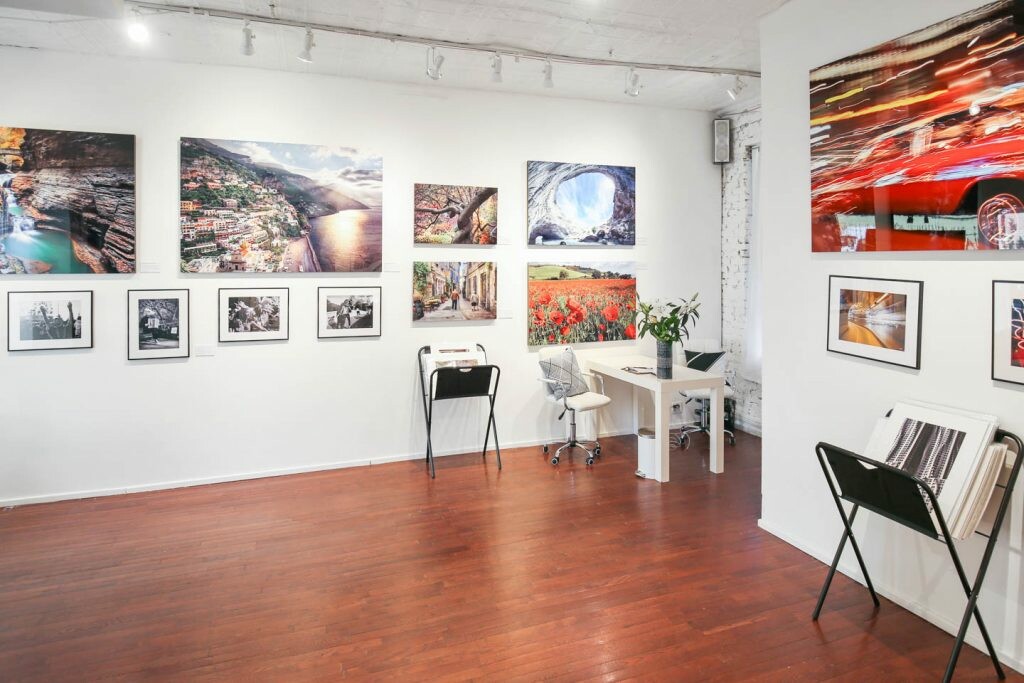
In recent years, our economy has changed drastically, leading to a new generation of art gallery spaces in London. These spaces are becoming increasingly commercial, filled with events, marketing, and offices.
With the changing landscape of the art world, it is now more important than ever to rethink what these spaces should be and how they should be used. Art galleries are an important part of any city’s cultural identity, providing unique and creative experiences for the public. They foster dialogue, promote education and creativity, and bring communities together.
In London, however, these spaces are increasingly being neglected and underutilized, often becoming empty shells filled with corporate events and marketing materials. This is a worrying trend that must be addressed, as it has the potential to negatively impact the art world, both in London and beyond.
How to start an art gallery venue rental business in London?
Starting an art gallery venue rental business in London is an exciting and rewarding endeavor. It requires a creative vision, as well as a strong business plan, to succeed. Art Galleries are one of the most popular businesses in the UK. They provide an experience unlike any other, and they have been able to generate a lot of revenue for their owners.
The problem is that it’s not easy to start a gallery business in London, especially if you don’t have any experience in the art industry. Here are some tips on how to start a successful art gallery business.
- Make sure you have enough funds to cover your initial costs.
- Ensure that your venue meets all of the regulations.
- Find out what type of artwork you want to sell and create your unique style.
- Create an online presence with social media and blogs.
Opening an art gallery venue rental business in London is a great way to capitalize on the city’s vibrant art scene. To succeed, it is important to have a good business plan, adequate financing, and an understanding of the legal and regulatory requirements.
Having a good selection of locations and excellent customer service is also important. With the right approach and dedication, your art gallery can become a successful venture and welcome addition to London’s cultural landscape.
List your art gallery in London and get bookings today!
The advantages of listing your art gallery in London with Storefront
1. Free Trial
2. Connect with amazing projects
3. Maximize your visibility
Is my space a good fit?
Discover your space’s potential on Storefront.
Utilize our free calculator that evaluates your space by comparing it to similar listings on Storefront. You’ll receive an estimate of the inquiries and bookings your space could attract.

How to succeed with Storefront
Maximize your art gallery’s potential with three easy steps to win more renters on Storefront.
- Enter your daily price so that it is publicly displayed. Pricing is necessary to get relevant requests from qualified renters who can afford your art gallery space.
- Photos are your most important marketing tool. Listings with at least six high-quality photos taken from a variety of angles get more bookings than those without.
- Update your availability calendar to show prospective renters when they can book.
- Respond to inquiries within 48 hours. Projects often find a new space within five days – keep a competitive edge with a speedy reply.
- Enable SMS notifications to close deals faster. Hosts with SMS notifications enabled are more likely to be able to start a conversation and get a quote within 24 hours.
- Always accept payments through the Storefront platform. Add your bank account information to get faster bookings. Then you can pre-approve brands to rent your art gallery space. Learn more about collecting payments here.
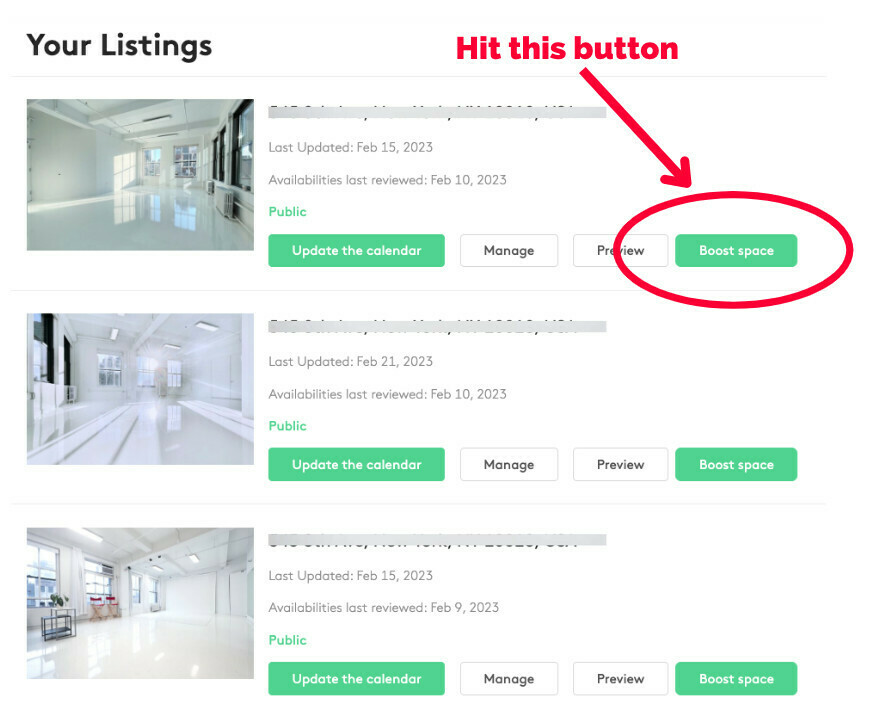
- Boost your space to appear higher in the search results. Once your listing is live you have the option to Boost your listing with a monthly subscription. Boosted listings appear at the top of relevant searches and consistently receive more views, inquiries and bookings.
Monetize your empty art gallery in London
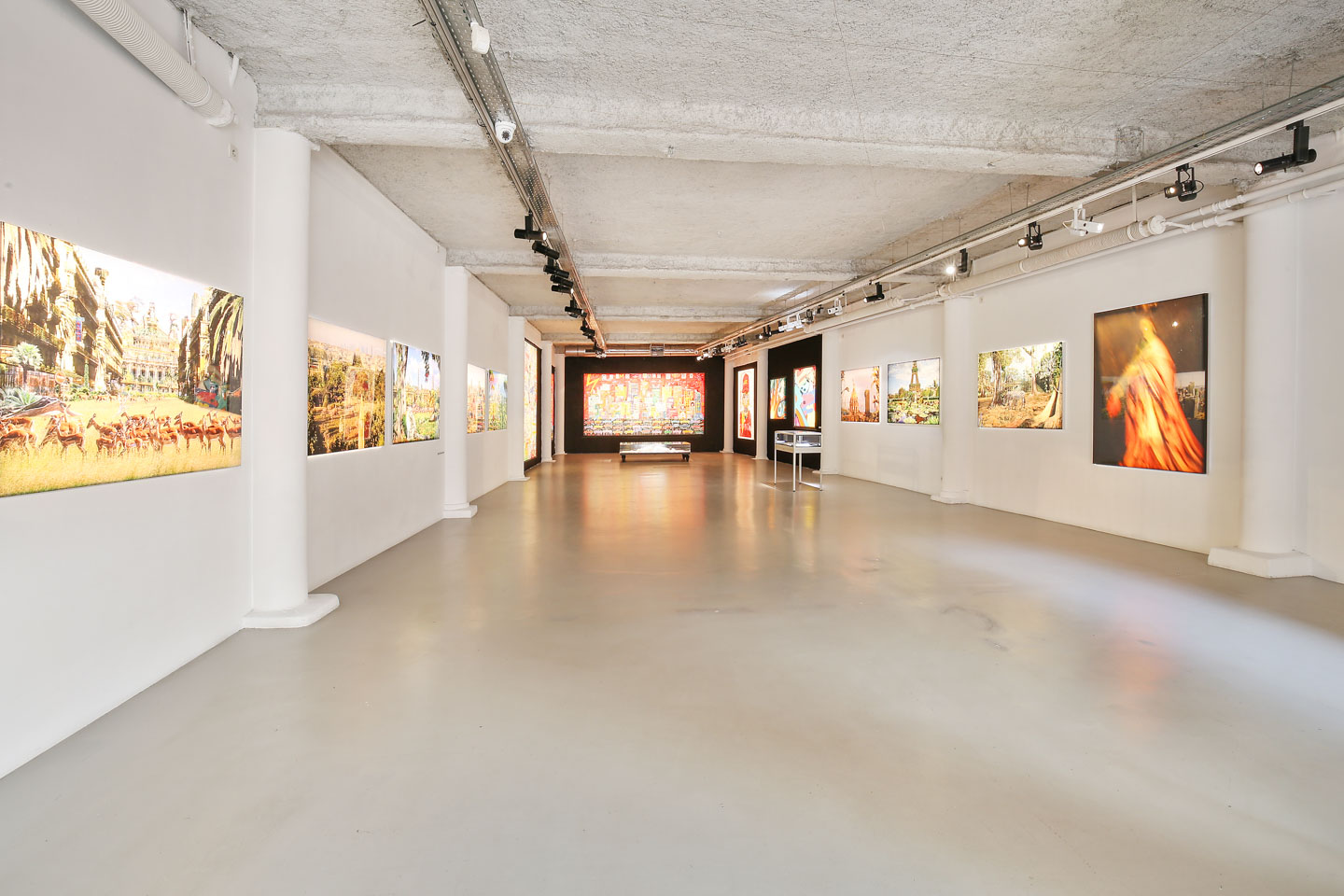
Listing your art gallery in London with Storefront in three steps
- It takes 5 minutes
- Take some great photos
- Get your contact and payment details ready
How to set up an art gallery venue in London?

The UK is home to some of the most influential art galleries in the world. The British Museum, Tate Modern, and the National Gallery are just a few of these prestigious institutions. However, some museums have not received as much attention as they should – but that does not mean they are any less deserving.
This article will cover how to set up a venue for an art gallery in London. It will cover what you need to consider when setting up your venue, how you can find a location for it, and how you can get started with your gallery. Some of the most important considerations when setting up an art gallery include the following:
- What type of artwork do you want to show?
- What type of event do you want your gallery to hold?
- How many people do you expect at your event?
- How much money would it cost?
The best way to set up a successful art gallery venue in London is by focusing on the customer experience. Art galleries in London are great places for artists and lovers to see their work. However, if you are looking to set up your venue, it can be quite difficult as there are many factors you need to consider.
Find more renters with amazing photos
- Take professional photos
- Write a top-notch space description
- Put down the right pricing

What to do with vacant art gallery space in London?
London has many art galleries with stunning collections and exhibitions. With the growing amount of vacant art gallery space in London, it is important to find ways to make use of this valuable asset.
- One solution is to rent out the space to businesses to use as a meeting or event space. Offering the space to local businesses to host events is a great way to bring money into the area and to keep the gallery in the public eye.
- Additionally, some galleries are turning to online exhibitions to increase their reach and to engage with new audiences. In this way, the gallery is still able to promote their work and attract new visitors.
- Finally, it is important to provide educational programming to local students and to the public. This can be done in collaboration with local schools and universities, as well as through online seminars.
By offering educational programming, galleries can increase their visibility and ultimately bring in more visitors.
Trusted by more than 10000+ landlords
Here’s what our landlords say about Storefront



How long does it take to fill vacant art gallery space in London?
London has many art galleries with stunning collections and exhibitions. With the growing amount of vacant art gallery space in London, it is important to find ways to make use of this valuable asset.
- One solution is to rent out the space to businesses to use as a meeting or event space. Offering the space to local businesses to host events is a great way to bring money into the area and to keep the gallery in the public eye.
- Additionally, some galleries are turning to online exhibitions to increase their reach and to engage with new audiences. In this way, the gallery is still able to promote their work and attract new visitors.
- Finally, it is important to provide educational programming to local students and to the public. This can be done in collaboration with local schools and universities, as well as through online seminars.
By offering educational programming, galleries can increase their visibility and ultimately bring in more visitors.
Fill your vacant art gallery in London with Storefront for free!
How to make an empty art gallery space look inviting in London?
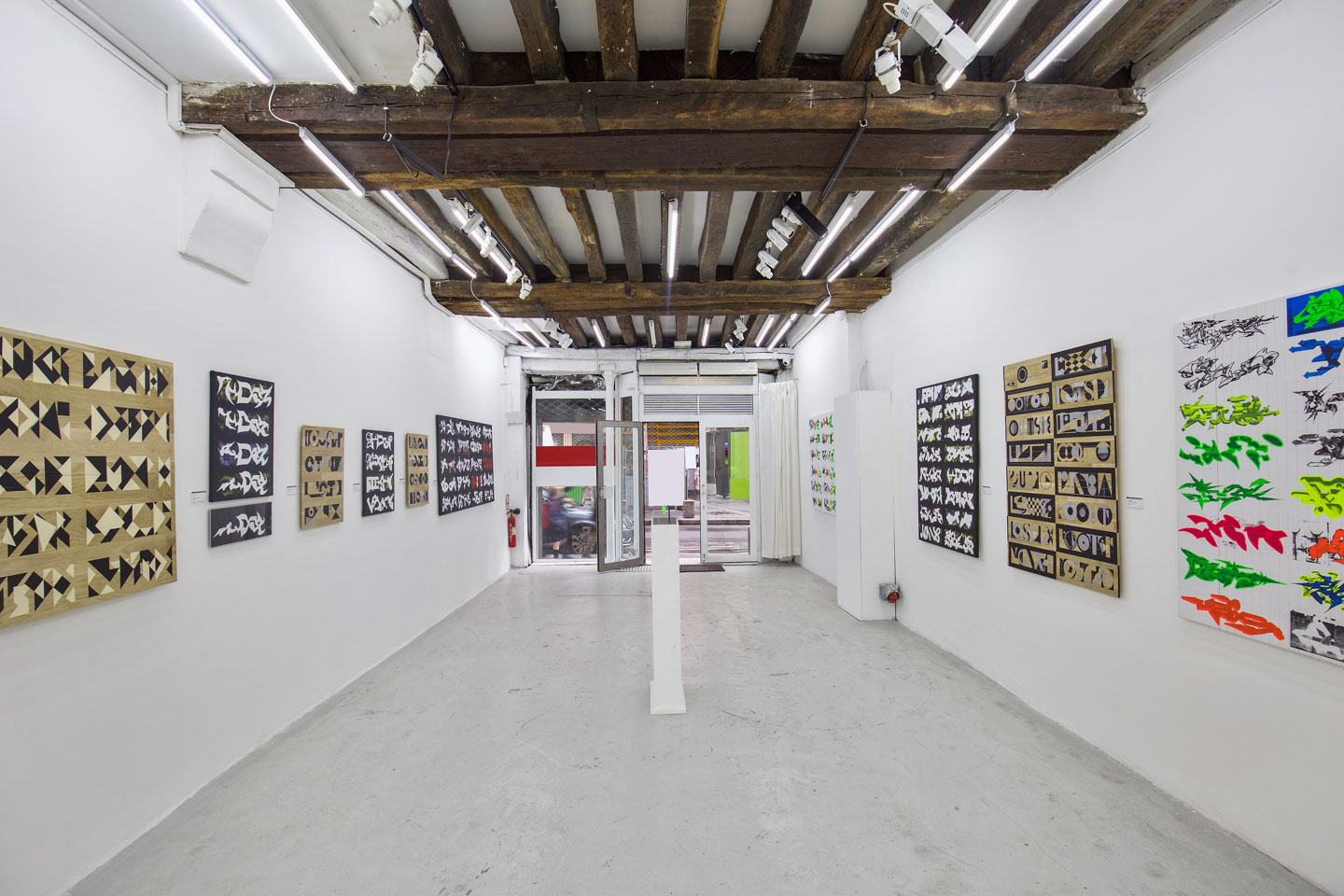
The London art gallery scene is booming, with many new galleries popping up. However, not all of these spaces are designed to be inviting. Simple steps can be taken to make the space feel more welcoming.
- First, the gallery should have an open floor plan that allows people to wander around and observe artwork without being blocked by walls or other objects.
- Second, lighting should be dimmed so that it doesn’t overpower the artwork and make it difficult to see.
- Third, staff members should be present in the room to offer guidance and answer any questions visitors may have about the pieces on display.
- Lastly, visitors should also be able to touch the artworks to better understand them and appreciate them more fully.
The gallery space is the most important part of any exhibition. This is where the art is displayed and where visitors can experience it. However, this space can often be cold and impersonal if not carefully designed.
5 Key Steps to Managing a Successful art gallery Venue Business in London
The art gallery industry in London is a dynamic and ever-evolving sector of the creative economy. As an art gallery owner in London, it is essential to develop a thorough understanding of the best ways to run a successful gallery venue business.
A successful art gallery venue requires strategic planning, refining the customer experience, and a keen eye for marketing to stay ahead of the competition. This blog post will discuss five key steps to managing a successful art gallery venue business in London.
- First, we will look at how to source the best art collections for the gallery.
- Next, we will discuss how to maximize the gallery space to its full potential.
- We will then explore the importance of creating a unique customer experience for guests.
- After that, we will discuss ways to maximize marketing and outreach efforts.
- Finally, we will consider the best practices for tracking and evaluating the gallery’s performance.
In conclusion, managing a successful art gallery venue business in London requires a great deal of planning, organization and hard work. The five key steps outlined in this blog post can provide a good foundation to help you get started. With the right strategies in place, you can ensure your art gallery is successful and meets the needs of your customers.
Make your art gallery in London successful with Storefront
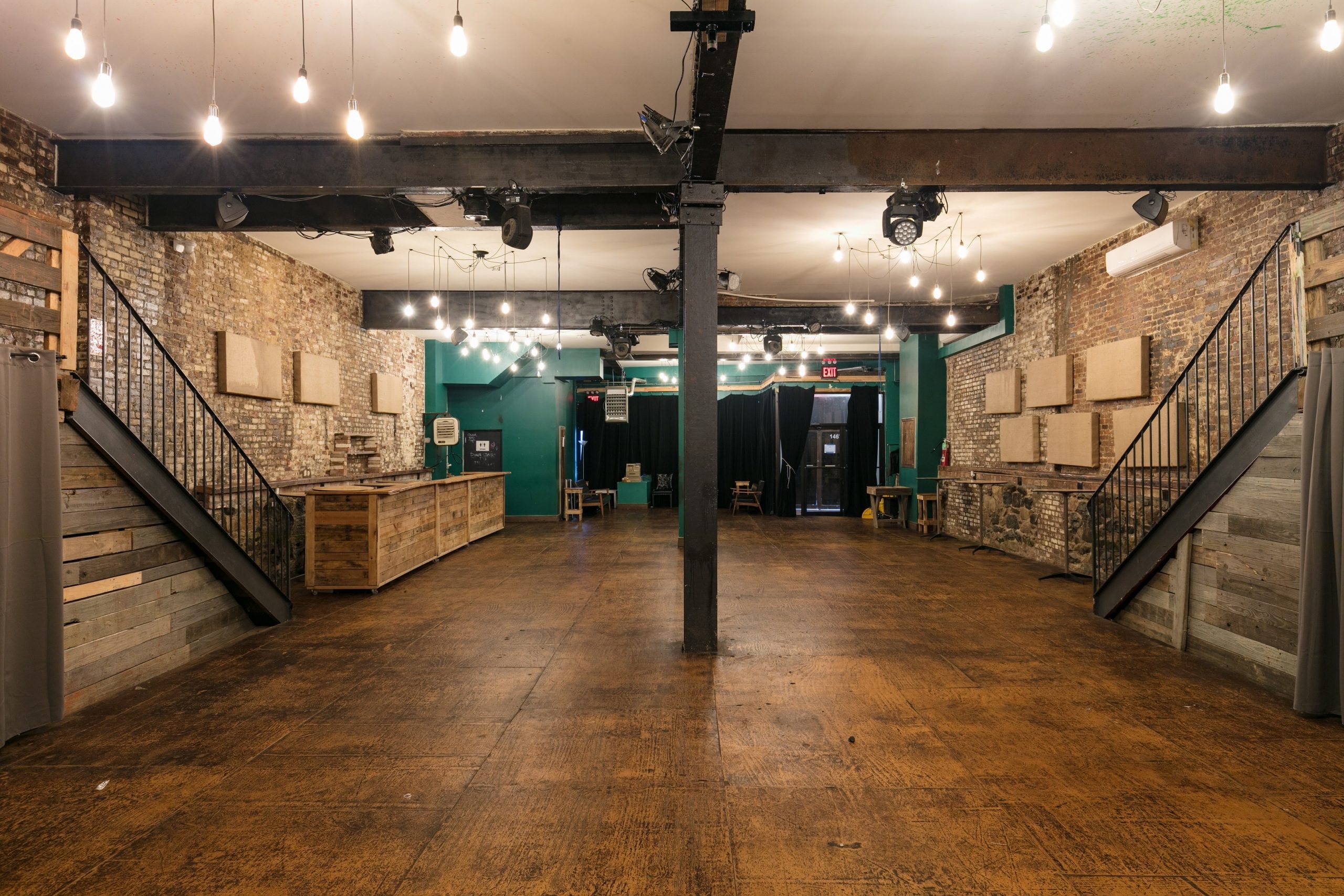
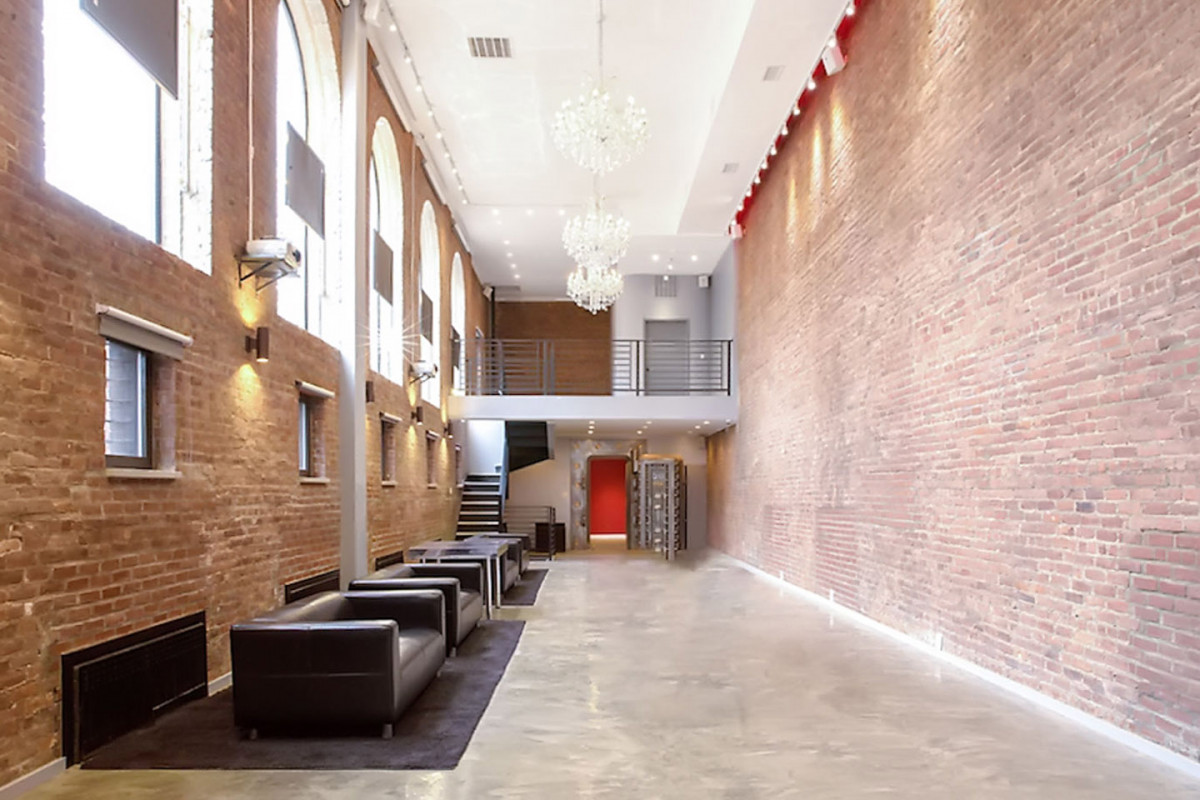
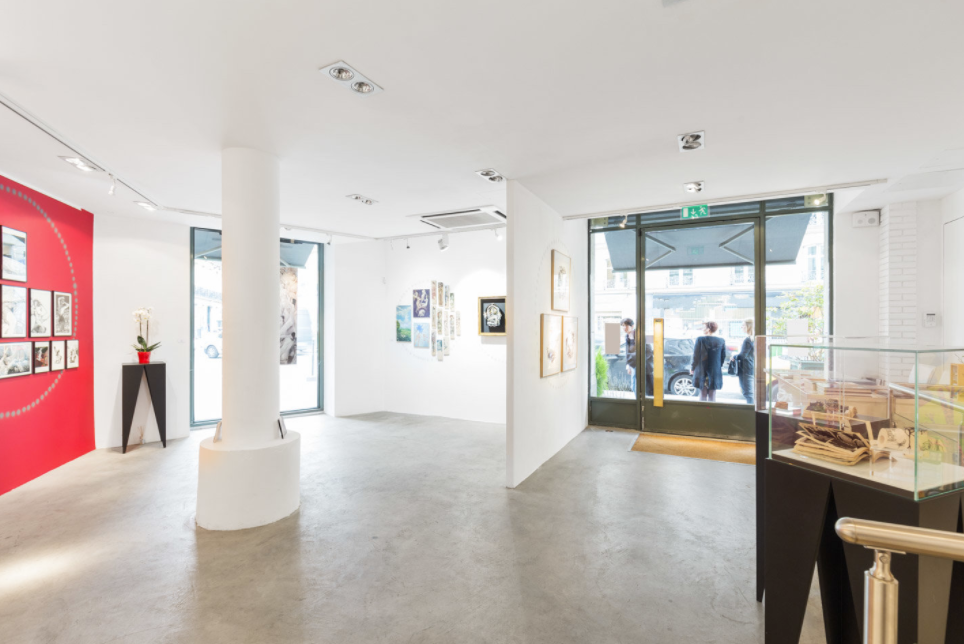
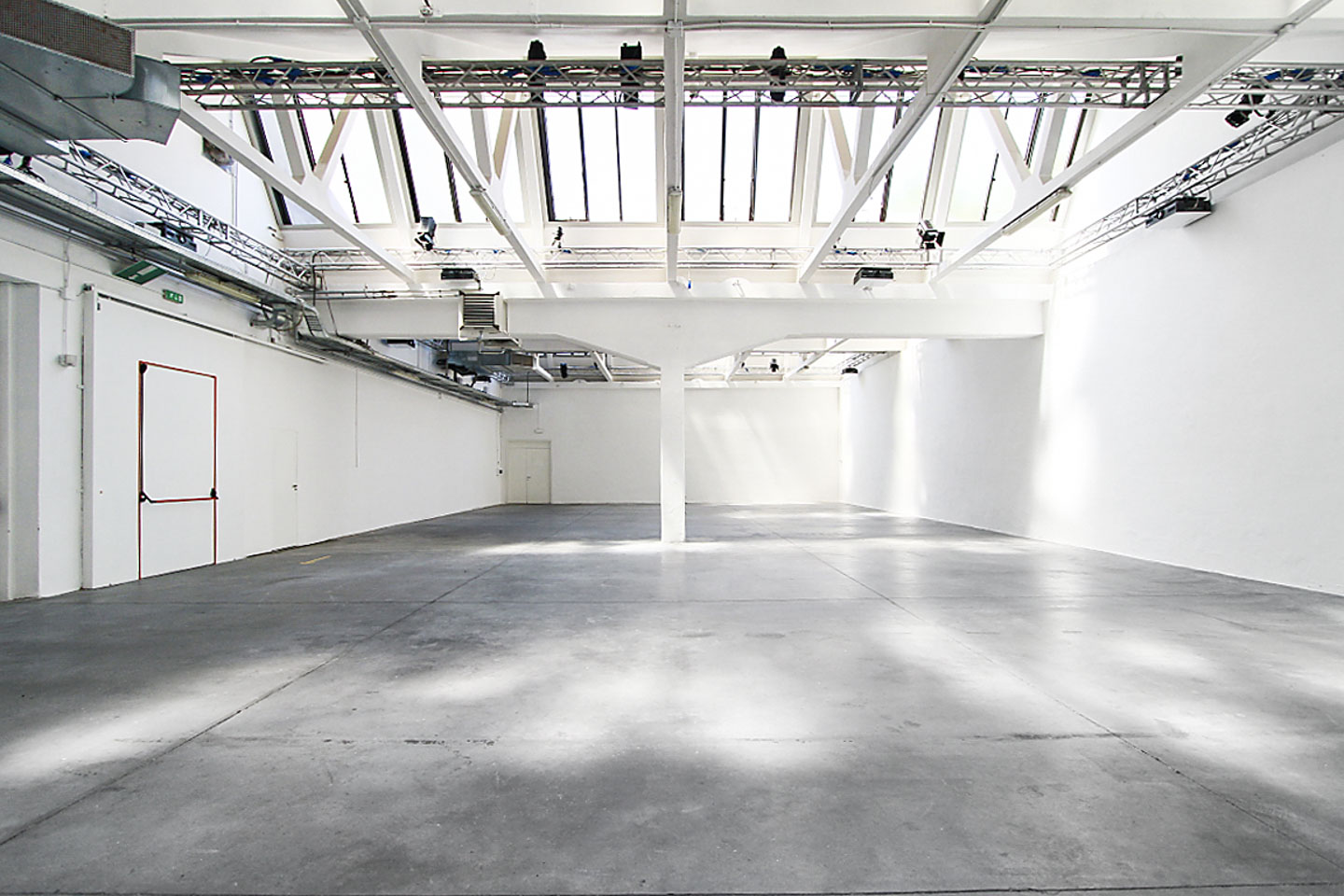
Any type of space can thrive on Storefront, from vacant retail space to industrial lofts.
After all, one thing that makes Storefront unique is its diversity of options.
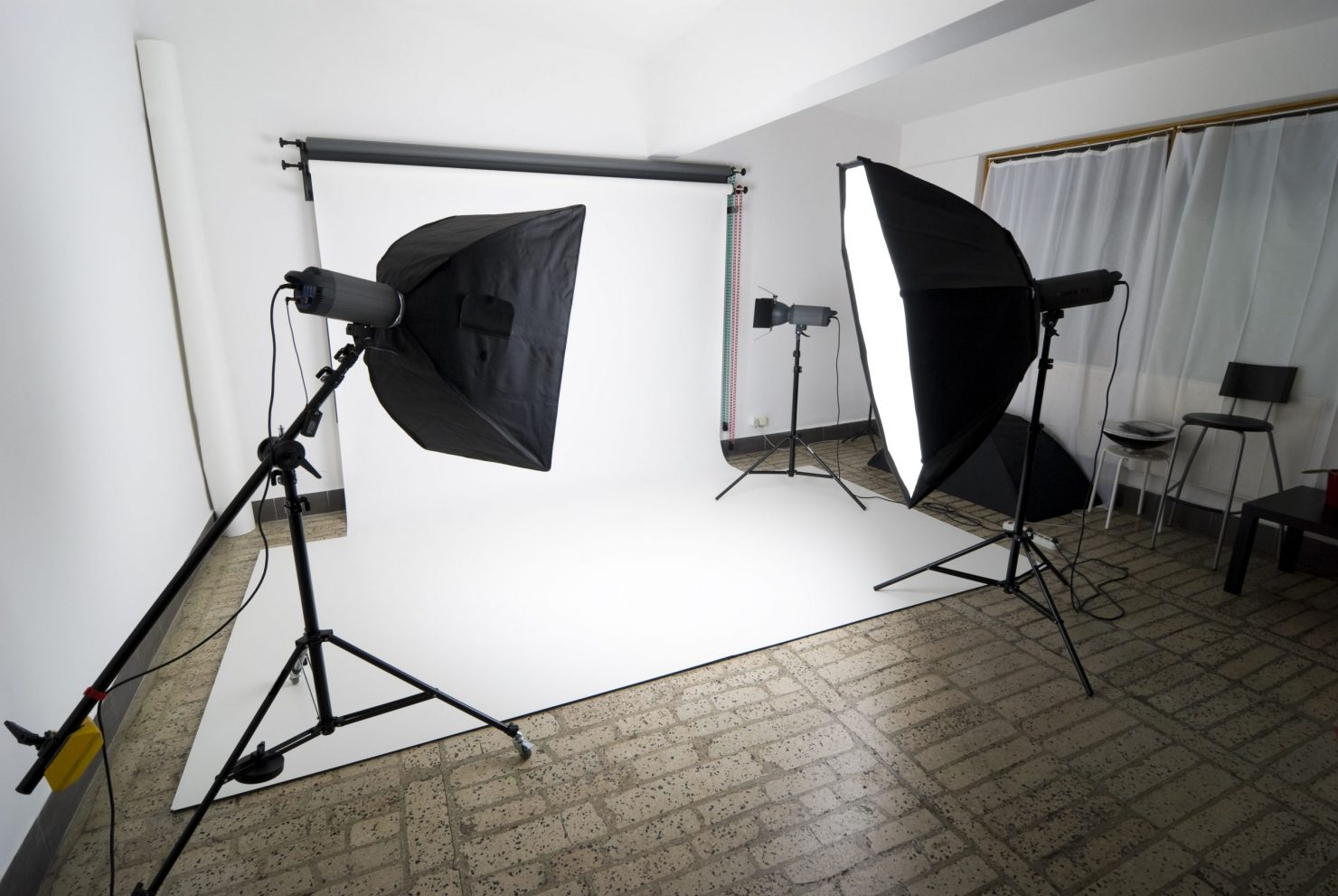


Maximize Your Storefront Listing
Once it’s published, Boost it.
Boost your listing for more inquiries
- Once you’ve created your listing in the Storefront platform you will have the option to Boost it.
- Boosted listings appear at the top of search results, outranking similar spaces.
- Boosted listings receive more views, inquiries and bookings.
- Boosting a listing is a monthly subscription that can be canceled at any time.
- The cost to Boost a listing depends on the type of space and location.
- When your listing is live you will see a Boost button next to each listing in the ‘manage listings’ section of the platform.
How to make money with renting your commercial art gallery space in London?
If you are looking to make money by renting out your commercial art gallery space in London, there are a few steps you can take to ensure success.
- Firstly, you should determine the size of the space and the type of artwork you will be displaying. This will help you to accurately price the space and ensure you are targeting the right audience.
- Secondly, you should market your space. Promote it through local newspapers, art websites, and social media to reach a wider audience and build a reputation.
- Thirdly, create a rental agreement that outlines the terms and conditions of the rental, including duration, payment terms, and cancellation policies.
- Finally, you should consider hosting events or workshops in the space to drive more rentals.
By following these steps, you can make the most out of your commercial art gallery space in London.
5 Ways to Monetize Your art gallery Space in London
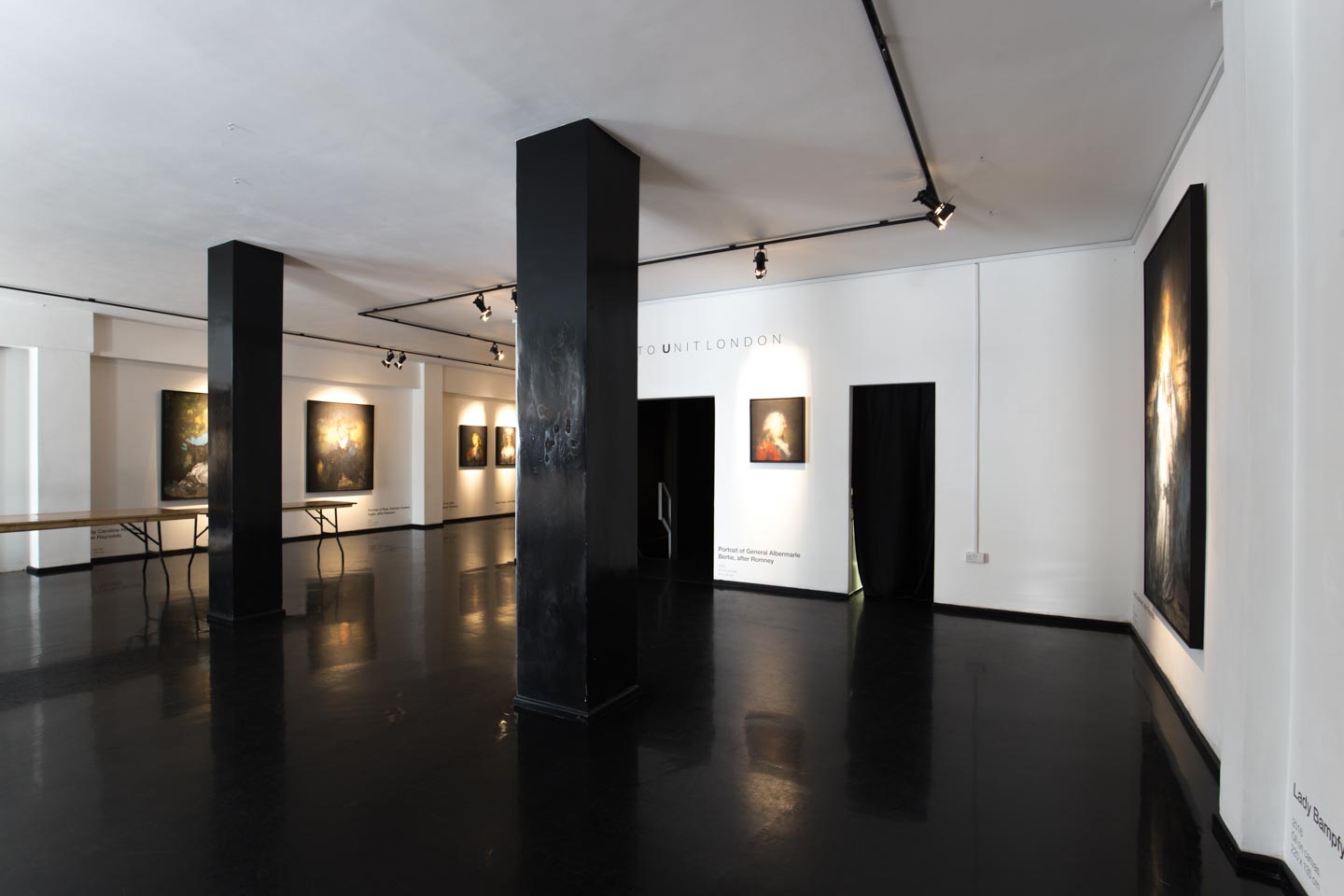
London is one of the most popular cities in Europe and has many art galleries. There are also many ways to monetize your gallery space in London.
- Charge for entry: This is a classic way to make money from your gallery space. You can charge for admission, offer refreshments and beverages, or offer artwork for sale.
- Rent out your space: Renting out your gallery could be an option if you have enough space.
- Host events: You could host talks, workshops, or conferences that attract people interested in art and culture.
- Sell artwork: Selling artwork is another way to make money from your gallery space if it’s big enough.
- Advertise: If you have the right contacts, then advertising on billboards or in magazines could be an option
The art market is booming, and the art gallery space is no exception. With a high demand for these spaces in London, it has become increasingly difficult for artists to find affordable and accessible gallery spaces.
Advertise your art gallery in London on Storefront for free today!

Renting out art gallery space in London

Renting out art gallery space in London is a great opportunity for artists, curators, and entrepreneurs to showcase their artwork and creative ideas. London is home to some of the world’s leading galleries and institutions, providing the perfect backdrop for public exhibitions.
Not only does the city offer a wealth of creative spaces, but it also provides access to a diverse and vibrant audience. Renting out gallery space in London is an ideal way to reach new audiences and create meaningful connections between artists and their work.
With the ability to tailor spaces to specific needs, renting out gallery space in London also provides the opportunity to create an immersive and engaging experience for visitors. The process is straightforward and cost-effective, making it a great choice for those looking to exhibit their art in the city.
Guidelines for renting out art gallery space in London
As the demand for art gallery space in London continues to grow, it is important that potential tenants understand the guidelines for renting out such spaces in the city.
- Firstly, the gallery space must be suitable for the specific type of artwork being exhibited, and the owner must provide photos and/or videos of the space as part of the application process.
- Secondly, applicants must provide proof of financial stability, including a full credit history and sufficient bank statements.
- Lastly, all necessary licenses and permits to operate the gallery must be acquired prior to renting the space, and the tenant must be able to prove that they are in compliance with all local zoning restrictions.
By adhering to these guidelines, tenants can ensure that their art gallery space rental experience in London is both successful and enjoyable.
Advertise your art gallery venue in London
Advertising your art gallery venue in London is a great way to draw in more visitors, as it is one of the most vibrant and exciting cities in the world. With so many potential customers and prospects, it is important to use a range of different strategies to ensure that your gallery stands out.
- Utilising both traditional and digital advertising is essential, with activities such as print advertising, radio and TV commercials, and online platforms such as social media, websites and blogs.
- Promotional activities such as special offers, competitions and events can also be effective.
- Additionally, taking advantage of all available marketing channels, such as local newspapers, magazines and radio stations, can help to increase awareness and create a buzz about your gallery.
With a combination of these tactics, you can successfully advertise your art gallery venue in London and reach out to potential customers.
Do you have vacant art gallery space in other cities?
List them on Storefront
Frequently Asked Questions
Having a live listing on Storefront requires a paid monthly subscription. However, we offer a free 45-day trial which doesn’t require credit card or bank details to get started.
After the free trial ends you will have to upgrade to a paid subscription to keep receiving inquiries.
Storefront takes 20% of the rental price as a transaction fee. This all comes out of what the renters pays. When you set your price in the platform you will clearly see how much you will receive per transaction.
Storefront offers a free trial of 45 days for new listings. After 45 days you will have to upgrade to a paid subscription to keep your listing live.
At the end of the 45-day free trial if you do not upgrade to a paid subscription your listing will be deactivated an go offline. Offline listings will no longer be visible to renters and you will no longer receive inquires
Once a space goes offline you will need to upgrade to a paid subscription to put it back online. As soon as you subscribe your listing will be visible to renters and you will start to receive inquires again.
Unfortunately not. Duplicate listings will not be approved and any such listings will not go live until the Listing Owner upgrades to a paid subscription.
After your 45-day free trial has finished you will need to upgrade to a paid subscription to keep your Listing live. The subscription is a monthly price that varies country to country. In the United States it costs $49 a month. Prices for other countries are similar but vary slightly depending on currency.
It takes less than 5 minutes to set up a listing. Check out this guide on how to list a space or click here to get started.
You can use the chat function to speak with renters in the platform. After you have worked with us for a
while you will be able to speak directly with them by clicking the ‘Request To Call Back’ button. This will
allow you to arrange a time to have a call with the brand. Please note: This functionality is not available to
everyone and we reserve the right to remove it if we feel it is not being used responsibly.
It usually takes 3-7 business days to process your payment.
Once you have confirmed your availability with the contact, you can click the button that say “Arrange
a visit” here you can suggest multiple dates and times that the brand can select.
A broad range of brands and renters use Storefront to find venues and spaces for their projects. From high street apparel to
high end showrooms and corporate events. If you make it clear in your listing what types of renters your space is
most suited to (including, event type, description, minimum duration, pricing etc.) you should only receive inquiries
from renters within your target demographic.
We do not organise viewings if you manage the listing. A select number of Storefront Listings are operated by the Storefront Concierge team but this is only for a very small number of listings and is a billable service (you will probably have to pay for it).
If you would like Storefront to manage your listing (including visits) please let us know and we will see if it’s something we are able to accommodate. There may be a fee involved. The best option will be for you to arrange your own viewings
with renters.
All types of commercial real estate perform well on the Storefront platform. Anything from retail, photo studios and art galleries to showrooms and warehouses. We attract a broad range of renters looking for all manner of use cases.
If the brand wishes to rebook, please instruct the brand to go back to the Storefront listing and rebook.
This is part of Storefront’s terms and conditions of usage and if you do not correctly follow this process we reserve the right
to pursue any guilty parties for breaching the terms and conditions.
Yes you can you can refuse a project if you feel the inquiry does not suit you or your listing.
Listing your space with Storefront takes five minutes. We have created a video walkthrough on how to list a space that can be found here.
Once your listing(s) has been published on Storefront you are immediately visible to potential tenants and able to start receiving inquiries. However, it is highly recommended that you scroll up and read the ‘How to succeed with Storefront‘ section of this page.
A highly optimised and well-managed listing will receive more inquiries and you will get more out of the Storefront platform. Optimising and managing your listing is straightforward, easy, and well worth the few minutes it will take.
We have created this video to help you.
You can also Boost your listing for a monthly subscription. This is done after your listing is published and live and will ensure your listing is one of the first relevant prospective renters see when searching the Storefront platform.