

Designing a pop-up store is about more than placing shelves and racks. A thoughtful layout shapes how visitors move, what they notice first, and how long they stay. Beyond functional circulation, exceptional layout design elevates the customer experience — encouraging exploration, reinforcing brand identity, and boosting engagement with products.
Start by establishing your core flow and zones in our foundational guide to pop up store design. Once you’ve defined how space will function, you can fine-tune the sequence of experiences that keep visitors engaged and make your store memorable.
Think in Layers: Sightlines, Zones, and Feel
Your goal is a sequence that feels intuitive, not accidental. Begin with a clear front-of-house space that welcomes guests and communicates your brand mood. From there, create a logical progression through product zones, interactive areas, and visual focal points.
Well-planned sightlines ensure customers can see key attractions without congestion or confusion. Use lighting, material changes, and color zones to signal transitions between areas. To reinforce visual hierarchy and focal design, see our ideas for central displays and vertical space enhancements like ceiling treatments.
Use Entrances to Set Expectations
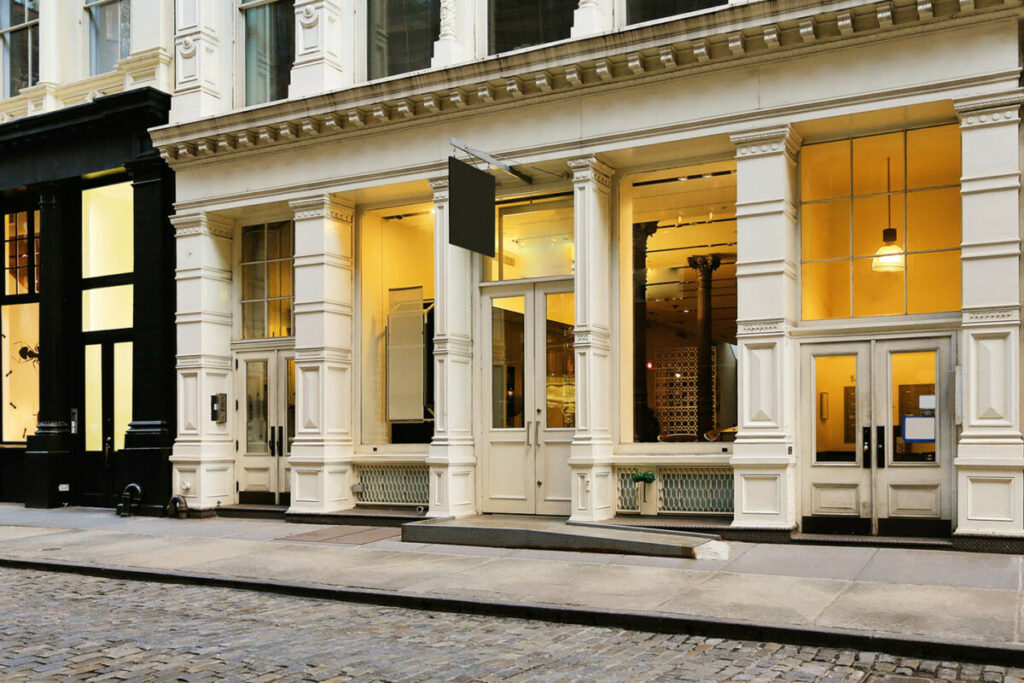
The threshold of your pop-up space should signal what lies ahead. An entrance that is too open can diffuse attention; one that is too narrow can bottle-neck traffic. Use architectural features or subtle design cues — such as an ambient lighting shift or a signature fixture — to cue entry and establish rhythm.
How customers transition from the street to the interior impacts engagement. If you are operating in cities like London or New York, where foot traffic and storefront competition are intense, an effective entry strategy can significantly increase dwell time and conversion.
Build a Progressive Discovery Flow
A standout experience unfolds like a journey. Guide customers from introductory spaces into deeper discovery zones with a deliberate transition of scale, texture, and focus. Place high-impact or new products where they anchor the path, then allow space for exploration and interaction.
Curated micro-settings — vignette-style displays, thematic clusters, or functional touchpoints — give customers reasons to slow down and engage. These elements work best when aligned with your overall spatial logic in effective layout design.
For brands
Ready to launch your pop-up?
Find and book your short-term retail space with Storefront.
Find a spaceBalance Open and Defined Areas
Too much openness can dilute impact; too many partitions can feel claustrophobic. A balanced mix of open sightlines and defined nooks creates rhythm and intrigue. Use freestanding fixtures and barriers to subtly guide movement while preserving visual connectivity.
Fixtures, signage, and atmospheric lighting help clarify thresholds between zones without stopping momentum. In smaller spaces, smart partitioning can simulate spatial layering without crowding circulation paths.
Leverage Lighting and Color for Emotional Flow
Lighting and color influence mood, highlight focal points, and reinforce spatial hierarchy. Accent lighting draws attention to key products, while warmer contexts invite lingering. Color transitions can signal emotional shifts without disrupting the physical flow.
For deeper insights into how color impacts perception and purchase behavior, see the discussion in our guide to pop up store color psychology.
Integrate Interactive and Rest Moments
Memorable layouts create opportunities for interaction and rest. A comfortable seating nook, a product demo area, or a reflective moment with brand storytelling invites guests to pause, which lengthens dwell time and improves recall.
These moments should emerge naturally from the layout sequence rather than feel like afterthoughts. Integrate them in places where customers have completed a visual arc or need a transition.
Prepare for Peak Traffic
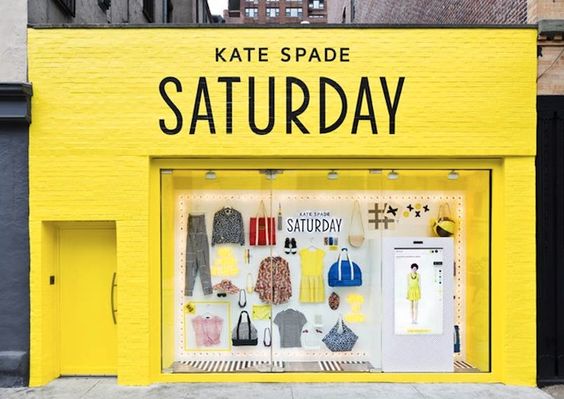
Predict how customers will circulate during peak periods and design for it. Avoid narrow pinch points, especially near entrances, checkout areas, or high-interest displays. Ensure staff flow is unobstructed and that visual access to checkout or concierge points remains open.
An unforgettable layout anticipates movement rather than reacts to it.
Complete Your Layout Strategy
Exceptional pop-up experiences come from blending functional clarity with emotional storytelling. A layout that feels intuitive reduces decision fatigue, builds engagement, and amplifies brand identity.
As you refine your approach, return to our master pop up store design guide to ensure your experiential layout decisions support your foundational spatial strategy. Integrate this with your visual merchandising and focal concepts to create a cohesive, memorable activation.

Written by
Alexandra is a contributor for Storefront. Beyond offering up insights here, Alexandra is a copywriter and content strategist for retailers and retail industry leaders.
More from Alexandra Sheehan →Related posts:
 How to Use Color to Increase Sales in Your Pop-Up Shop
 Pop Up Store Layout: Floor Plans and Flow Strategies That Convert
 How to Create an Instagrammable Pop-Up Shop
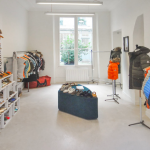 Pop Up Store Display Ideas: 16 Creative Central Features That Attract Customers
 14 Cost-Effective Visual Merchandising Ideas to Elevate Your Pop-Up Store