
Ecommerce brands are no longer staying online.
From digitally native startups to established DTC brands, more online retailers are launching pop-up shops to increase visibility, test new markets, and create real-world customer experiences.
If you’re exploring this strategy, start with our Complete Guide to Ecommerce & DTC Brands Opening Pop-Up Shops, which breaks down the full process step by step.
Below are real examples of ecommerce brands that used pop-up stores strategically — not just for sales, but for growth.
1. AiNSEL – Using Pop-Ups to Reinforce Sustainability
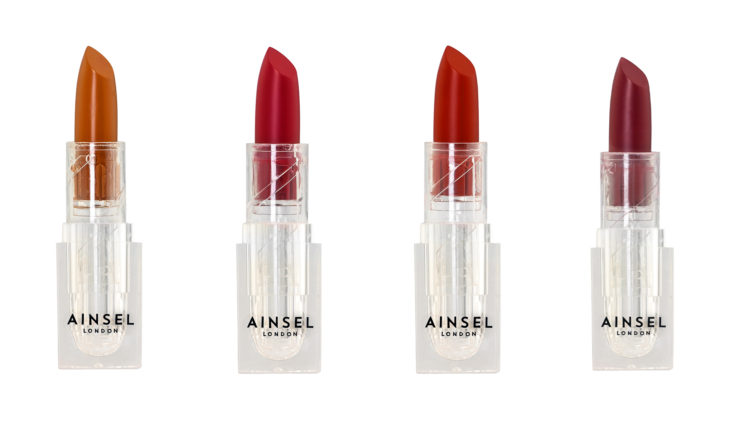
Objective: Differentiate in a crowded beauty market
Sustainable cosmetics brand AiNSEL used its London pop-up shop to bring its environmental mission to life.
Inside the space, customers could customize their own lipstick shade and watch it being created on-site within minutes. The activation reinforced the brand’s commitment to reducing cosmetic waste while creating an interactive in-store moment that ecommerce alone could not deliver.
Why It Worked:
- Turned product customization into an experience
- Educated customers on sustainability
- Offered refill incentives to encourage repeat purchases
- Strengthened brand positioning through immersion
AiNSEL’s pop-up wasn’t just retail — it was live brand storytelling.
2. Goop – Translating Digital Identity Into Physical Retail
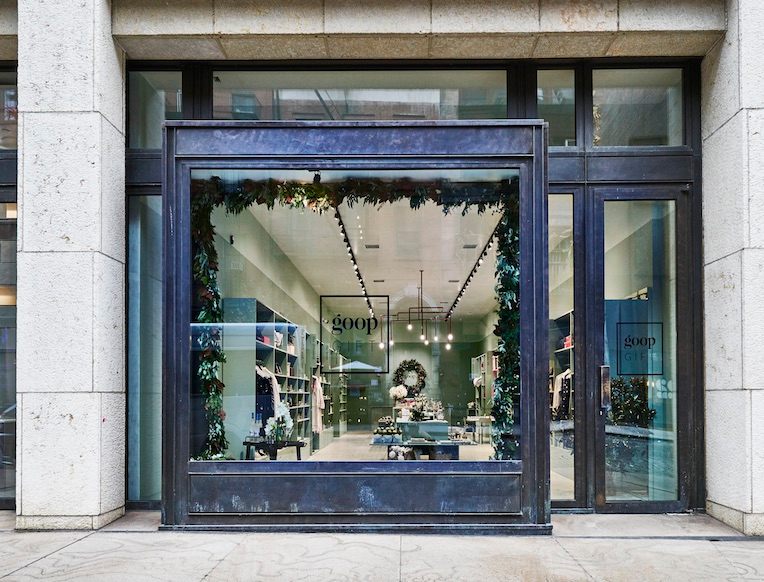
Objective: Strengthen product credibility and brand positioning
Originally known as a content-driven lifestyle platform, Goop used pop-up shops to emphasize its curated product offering. Here it had a pop-up shop in Dallas.
Rather than simply selling merchandise, Goop created immersive retail environments that reflected its clean, wellness-focused aesthetic. Services like personalized gift wrapping and founder appearances enhanced exclusivity and drove foot traffic.
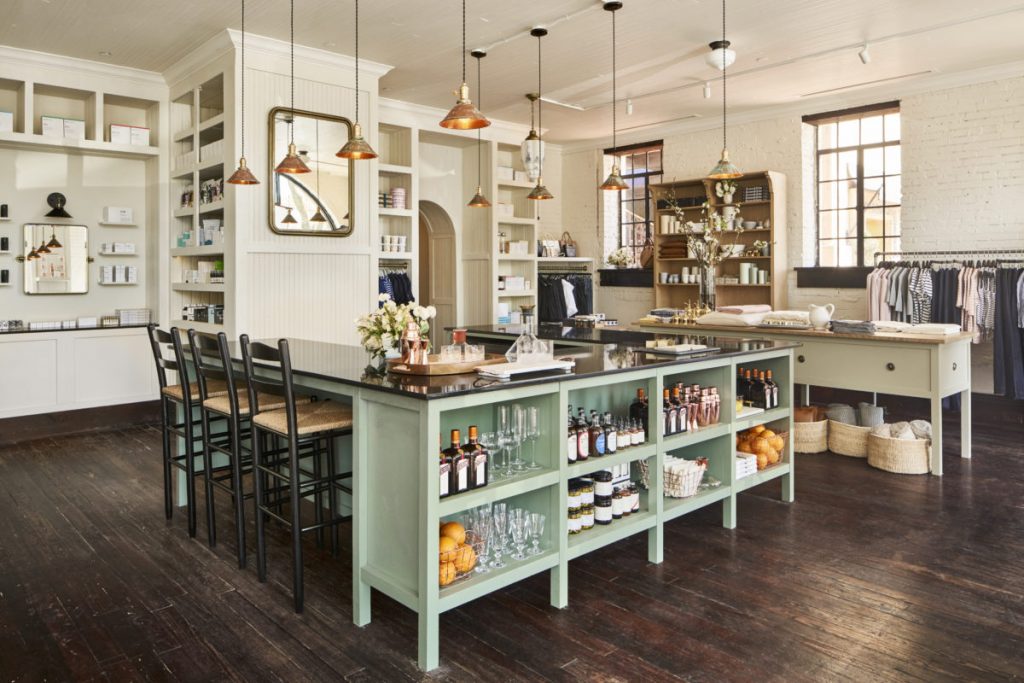
Why It Worked:
- Maintained strong brand identity offline
- Created exclusive in-store services
- Generated press and social buzz
- Reinforced trust through physical presence
Goop proved that ecommerce brands can successfully translate editorial voice into experiential retail.
3. Adore Me – Testing Brick-and-Mortar Before Expanding
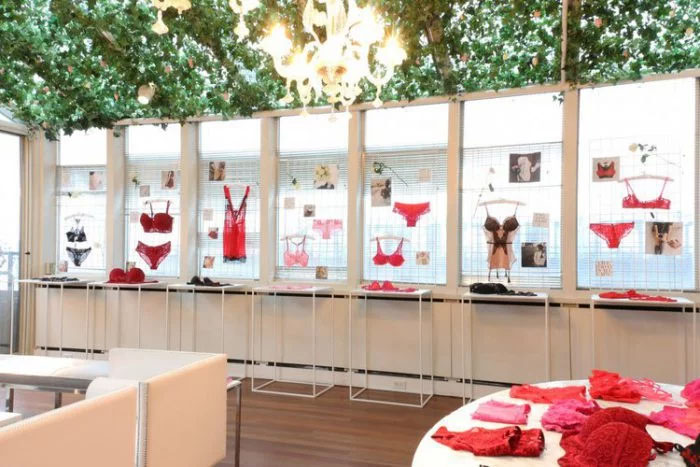
Objective: Validate physical retail demand
Lingerie brand Adore Me recognized that certain products benefit from tactile interaction. Instead of stocking inventory, the brand created an experience-led pop-up space featuring interactive photo moments and digital engagement.
Customers received exclusive discount codes to redeem online, seamlessly linking offline interaction to ecommerce sales.
Why It Worked:
- Solved the “touch and try” gap of ecommerce
- Drove online conversions after in-store engagement
- Collected valuable customer insights
- Reduced risk before permanent retail expansion
For more on Adore Me’s pop up strategy and success read the full success story.
This is a classic example of how ecommerce brands use pop-ups to test physical retail without committing to long-term leases — a strategy we break down in detail in our DTC pop-up shop guide.
4. Boohoo – Entering a New Market With Built-In Research
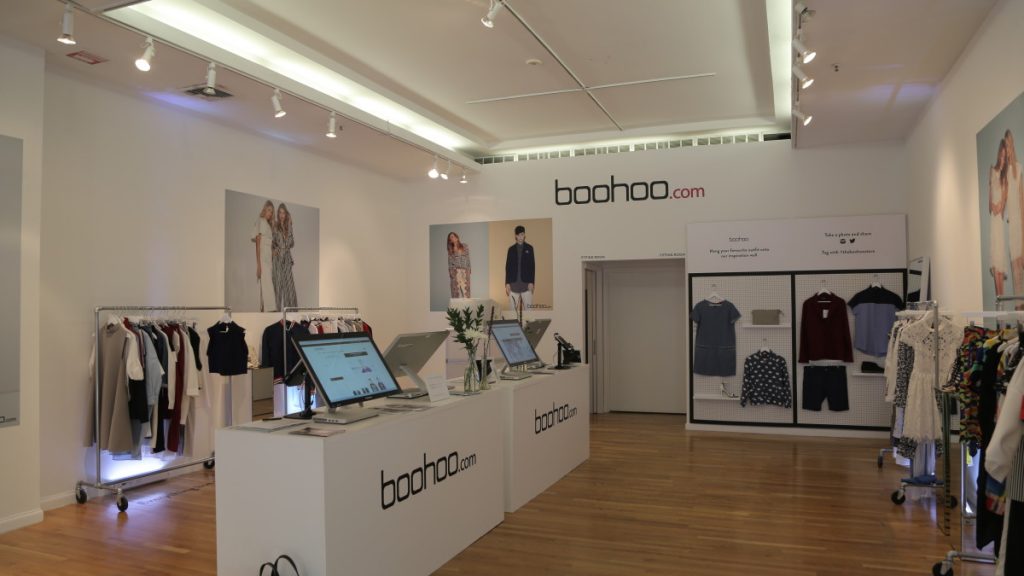
Objective: Test the U.S. market
When British fashion retailer Boohoo expanded into the U.S., it used a pop-up showroom model to measure demand and gather customer data.
Visitors tried on outfits, shared looks on social media using branded hashtags, and helped generate organic buzz. The brand tracked engagement and trend data before scaling further.
Why It Worked:
- Combined social media with physical retail
- Gathered demographic and preference data
- Created user-generated content
- Reduced market entry risk
Pop-ups can function as real-time market research labs — not just storefronts.
5. Brandless – Blending Community and Omnichannel Growth
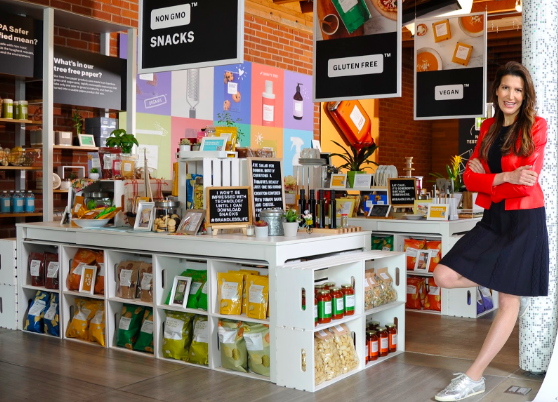
Objective: Drive digital sales through physical discovery
Brandless approached its pop-up differently. Instead of focusing on in-store purchases, it distributed product samples with QR codes that directed customers to shop online.
The brand also hosted ticketed community events, reinforcing its mission-driven identity.
Why It Worked:
- Connected offline sampling to online checkout
- Reinforced brand values through events
- Built community while driving ecommerce
- Supported omnichannel behavior
Brandless demonstrated how pop-ups can support ecommerce growth without relying solely on in-store transactions
What These Ecommerce Pop-Up Shops Have in Common
Across industries, successful ecommerce pop-ups share key characteristics:
- A clearly defined objective
- Experience-first design
- Strong brand storytelling
- Seamless integration with online sales
- Short-term flexibility with long-term strategy
These brands didn’t open pop-up stores randomly. They used temporary retail to test, validate, and accelerate growth.
If you’re planning your own activation, our Complete Guide to Ecommerce & DTC Brands Opening Pop-Up Shops explains:
- How to define your objective
- How to choose the right city
- How to integrate online and offline sales
- How to budget effectively
- How to find the right temporary retail space
This article shows what successful ecommerce pop-ups look like.
The guide shows you how to execute one.

- 5 Ecommerce Brands That Successfully Used Pop-Up Shops to Grow - May 29, 2023
- How Beer Brands Use Pop-Up Bars to Drive Sampling, Culture and Market Expansion - June 15, 2022
- 3 Pop-Up Stores For The Senses - August 17, 2018