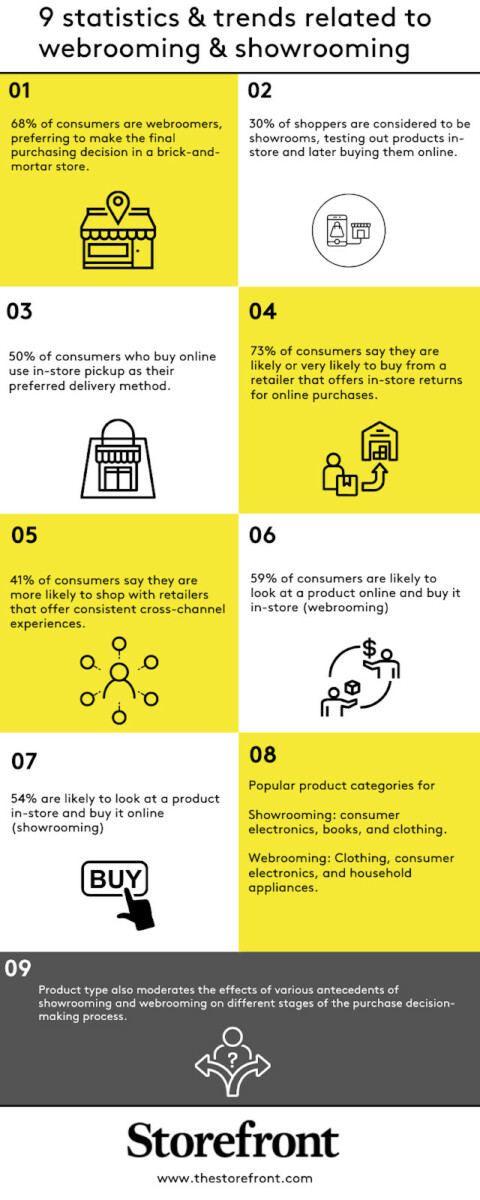
Retail has evolved beyond the simple divide between online and offline. Today’s customers move fluidly between channels before making a purchase decision. Two behaviors define this shift: webrooming, where shoppers research online and buy in-store, and showrooming, where they evaluate products in-store but complete the purchase online.
For ecommerce and DTC brands expanding into physical retail, understanding these behaviors is critical. If you are planning your first activation, start with our complete guide to ecommerce brands opening pop-up shops. Designing for omnichannel behavior is now a core part of retail strategy.
Understanding Webrooming and Showrooming
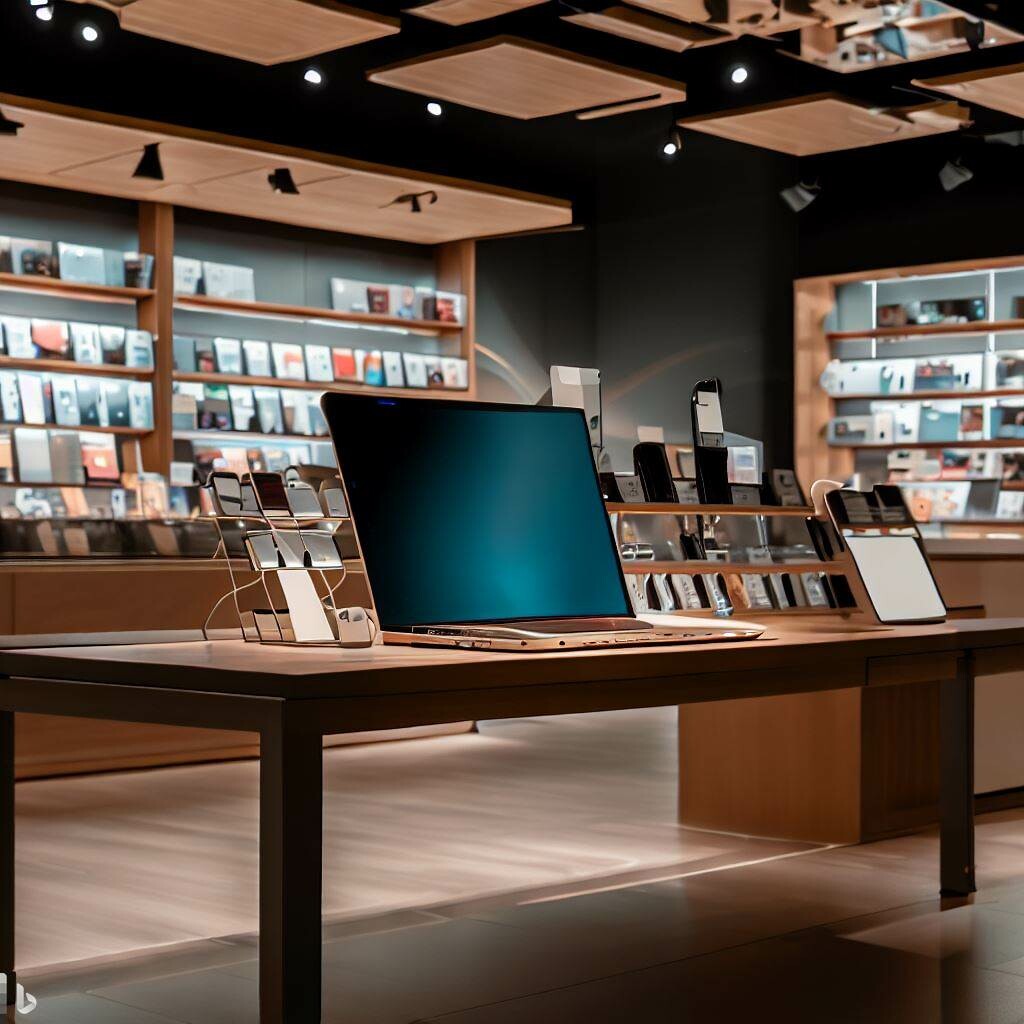
Webrooming occurs when customers compare products, read reviews and evaluate pricing online before visiting a store to complete the purchase. These shoppers value reassurance, speed and in-person validation.
Showrooming is the inverse. Customers visit a physical location to touch, test or try products but choose to purchase online, often driven by pricing, convenience or delivery options.
Both behaviors reflect the same underlying need: confidence. Your store design must reduce uncertainty and align digital expectations with physical experience.
Designing for Webroomers
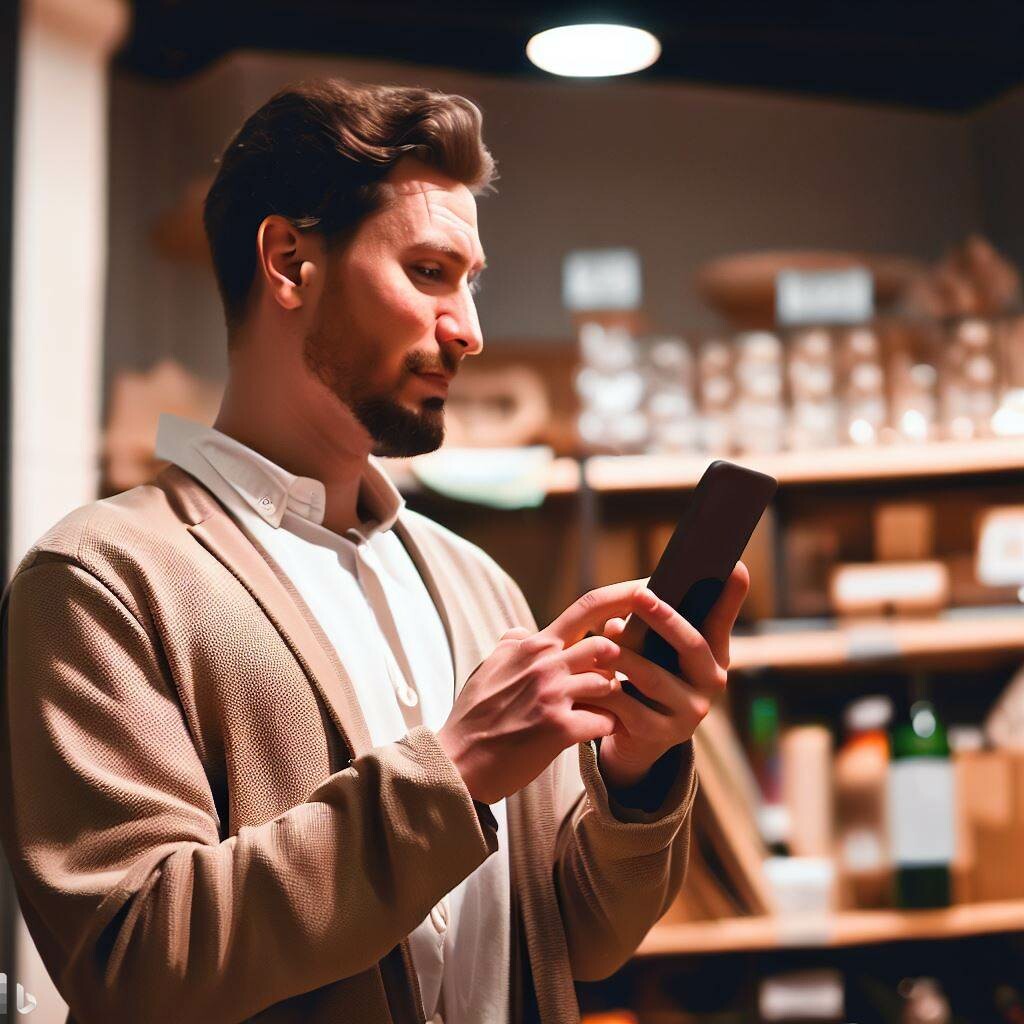
Webroomers arrive informed. They expect consistency between what they saw online and what they encounter in-store.
To serve them effectively, your physical space should provide:
Clear product organization that mirrors digital categorization
Detailed, visible product information at point of display
Transparent pricing that matches online positioning
Knowledgeable staff who can validate online research
Digital integration is key. QR codes, tablets or smart displays that surface reviews, specifications or availability remove friction and reinforce trust.
Spatial clarity matters just as much as information. An intuitive layout that reduces search time supports informed buyers and increases in-store conversion. For foundational spatial planning principles, see our guide to pop up store design.
Designing for Showroomers
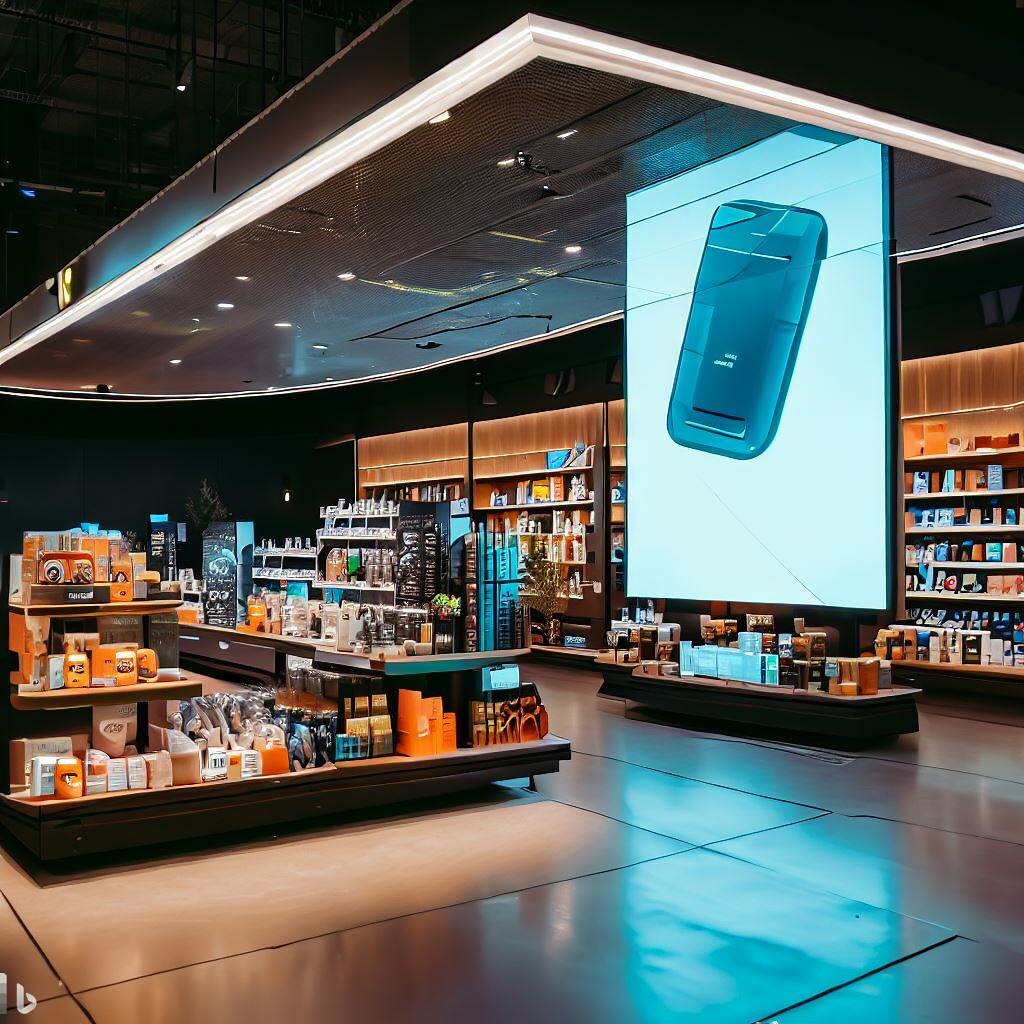
Showroomers are tactile decision-makers. They want to see quality, feel materials and compare options physically — even if they ultimately purchase online.
To appeal to showroomers, stores should emphasize:
- Hands-on product access
- Side-by-side comparisons
- Interactive displays or demonstrations
- Flexible ordering options within the store
The goal is not to prevent online purchasing, but to keep the transaction within your ecosystem. Integrating digital checkout points or enabling online ordering from inside the store preserves revenue while satisfying customer preference.
This hybrid approach aligns closely with experiential retail principles. When physical and digital channels work together seamlessly, the store becomes part of a cohesive brand journey rather than a standalone sales point. For deeper insight into immersive retail strategy, explore our case studies on experiential retail and retailtainment.
Balancing Both Behaviors Through Hybrid Store Design
The most successful retailers do not treat webrooming and showrooming as opposing forces. Instead, they design hybrid retail environments that support both.
Key design elements include:
- Consistent pricing across channels
- Seamless digital integration within physical space
- Flexible fulfillment options such as in-store pickup or easy returns
- Personalized service informed by online customer data
By eliminating friction between online research and offline interaction, you remove the incentive for customers to leave your ecosystem.
Case Studies: Retailers Getting It Right

Best Buy
Best Buy faced significant showrooming pressure as customers inspected electronics in-store before purchasing from online competitors. The company responded with a price-matching policy and invested heavily in knowledgeable in-store staff and consultations. By combining pricing transparency with physical expertise, Best Buy retained customers and strengthened loyalty.
Sephora
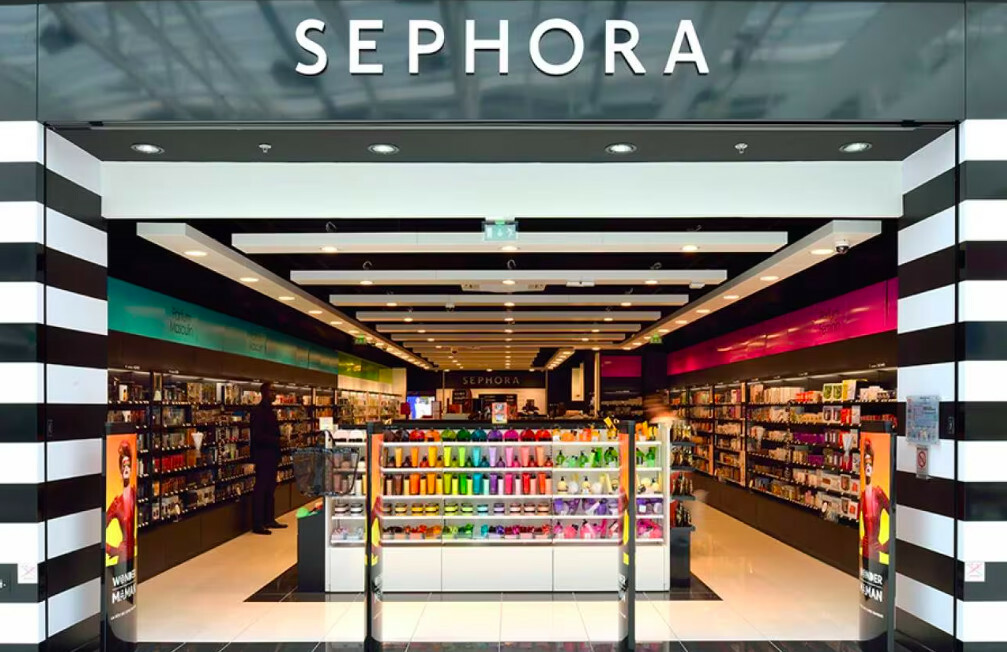
Sephora integrates digital and physical channels through smart mirrors, app connectivity and QR codes. Customers can test products in-store while accessing reviews, wish lists and personalized recommendations from their digital profiles. This seamless integration supports both webrooming and showrooming behaviors.
Warby Parker
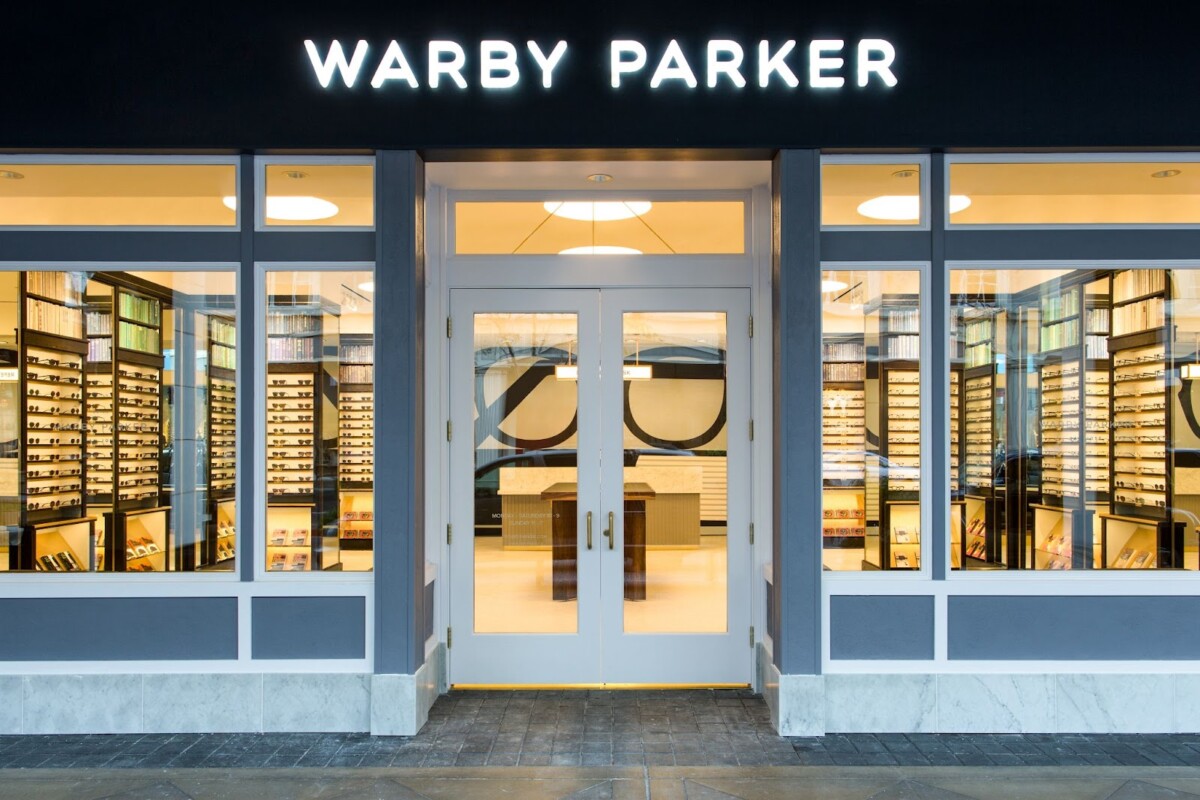
Originally an online-only eyewear brand, Warby Parker expanded into physical retail while maintaining digital convenience. Customers can try frames in-store or use the home try-on program. Inventory, pricing and customer accounts remain synchronized across channels, creating a unified omnichannel experience.
Key Design Takeaways
Retailers who successfully accommodate webrooming and showrooming focus on:
- Information transparency that builds trust
- Interactive product experiences that encourage engagement
- Digital tools that connect online and offline channels
- Flexible purchase and fulfillment options
- Consistent service quality across touchpoints
Design is no longer just aesthetic. It must reflect behavioral reality.
Conclusion
Webrooming and showrooming are complementary expressions of modern consumer behavior. A well-designed physical store recognizes that customers may begin their journey online and complete it offline — or the reverse.
By combining intuitive layout, transparent information, tactile engagement and digital integration, retailers can transform their stores into omnichannel hubs that support loyalty and long-term growth.
For ecommerce and DTC brands, this hybrid model is no longer optional. It is foundational to sustainable retail strategy.
Frequently Asked Questions About Webrooming and Showrooming
Webrooming occurs when customers research products online but complete the purchase in a physical store. Showrooming is the opposite behavior: customers examine products in-store but buy them online. Both reflect modern omnichannel shopping patterns.
Customers showroom to compare products physically, test quality, or evaluate fit before purchasing. They may complete the transaction online due to price advantages, convenience, or delivery options.
Webrooming can increase in-store traffic and improve conversion rates when pricing and product information are consistent across channels. It allows retailers to combine online research with in-person service and instant fulfillment.
Rather than preventing showrooming, retailers can retain revenue by offering price matching, seamless online ordering from within the store, and integrated loyalty programs that connect digital and physical channels.
Clear layout, visible product information, digital integration and hands-on displays reduce friction between online research and offline interaction. A hybrid design strategy ensures customers remain within the brand’s ecosystem regardless of purchase channel.

- How to Design a Physical Store That Appeals to Both Webrooming and Showrooming - February 25, 2026
- 6 Holiday Pop-Up Store Promotion Ideas Using WiFi Marketing - November 15, 2018