We use cookies and similar technologies to track your activity and improve your experience.
Sort by
Recommended
See on map
Fast Responder
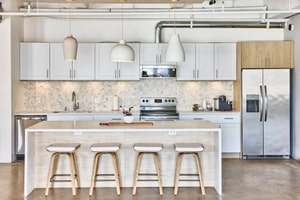
Event Space
∙
Downtown Los Angeles
2,000 sq ft
from $1,200 per day
Fast Responder
See on map
Fast Responder

Creative Space
∙
Arts District
2,000 sq ft
from $2,400 per day
Fast Responder
5(1)
See on map

Art Gallery
∙
Downtown Los Angeles
1,200 sq ft
from $1,200 per day
See on map

See on map

Creative Space
∙
Downtown Los Angeles
2,500 sq ft
from $480 per day
See on map

Event Space
∙
Downtown Los Angeles
2,711 sq ft
from $3,600 per day
See on map

Photo / Filming Studio
∙
Downtown Los Angeles
1,200 sq ft
from $360 per day
See on map

Restaurant / Bar / Cafe
∙
Downtown Los Angeles
3,500 sq ft
from $3,000 per day
See on map

Pop Up Gallery and Exhibition Space in the Arts District, Los Angeles
The Arts District is one of the most sought-after neighborhoods in Los Angeles for pop-up galleries and short-term exhibition space. Converted warehouses, industrial lofts, and street-level storefronts give artists, curators, and brands access to raw, high-ceilinged venues that attract a culturally engaged audience. Browse available art gallery spaces for rent in the Arts District below and book directly through Storefront.
Why the Arts District Is a Top Location for Pop Up Galleries
The Arts District sits east of Downtown LA between the LA River and Little Tokyo, roughly bounded by 1st Street to the north and 7th Street to the south. The neighborhood transformed from an industrial corridor into one of the city's most active creative hubs over the past decade, and that identity drives consistent foot traffic from collectors, gallerists, and culturally curious visitors.
For pop-up galleries, the appeal is practical as much as aesthetic. Many buildings retain open floor plans, polished concrete floors, and exposed brick or steel framing that reduce fit-out costs. Natural light floods through oversized factory windows, which matters when you are displaying painting, sculpture, or mixed media. Rents in the Arts District typically run lower than comparable spaces in West Hollywood or Beverly Hills, making it accessible for emerging artists and independent curators who need a venue for a weekend opening or a month-long residency.
The neighborhood also benefits from proximity to established institutions. The Hauser and Wirth gallery complex on East 3rd Street, the Institute of Contemporary Art Los Angeles, and numerous artist-run project spaces create a built-in gallery-walk culture. When you open a pop-up exhibition here, you plug into an audience that already comes to the area specifically to see art. If you are exploring other neighborhoods and space types across the city, browse all available spaces in Los Angeles on Storefront.
Types of Art Exhibition Space Available in the Arts District
The Arts District offers a range of venue formats suited to different exhibition concepts and budgets.
Warehouse conversions are the most common option. These spaces range from 800 to 5,000 square feet and feature open layouts with minimal columns, making them adaptable for installations, photography shows, or large-scale sculpture. Many come with movable wall panels or hanging systems already in place.
Street-level retail storefronts along East 3rd Street, Traction Avenue, and Santa Fe Avenue provide high-visibility frontage. These work well for gallery pop-ups that rely on walk-in traffic, especially during First Fridays or neighborhood art walks.
Loft studios on upper floors offer a more intimate setting, typically 400 to 1,200 square feet, suited to solo artist exhibitions, private viewings, or small group shows. Some include built-in lighting rigs and climate control.
Multi-use creative spaces that double as event venues give you the option to host an opening reception, artist talk, or panel discussion alongside the exhibition itself. These often come with basic AV equipment and flexible furniture.
What to Look for When Renting an Art Gallery in the Arts District
Choosing the right art space for rent in the Arts District comes down to a few key factors beyond square footage.
Wall space and hanging infrastructure matter most for two-dimensional work. Measure the linear footage of usable wall, not just the floor area. Some warehouse spaces have 16-foot ceilings but limited vertical hanging points, which affects how you can display larger pieces.
Lighting should be adjustable. Track lighting on a dimmer system is ideal for gallery settings. Natural light is a bonus for daytime viewings but can cause glare and UV damage if the space lacks blinds or UV-filtering film on the windows.
Access and loading are critical if you are moving in sculpture, crates, or large-format photography. Ground-floor spaces with roll-up doors or freight elevators save significant time and reduce damage risk during install and de-install.
Insurance and permits vary by landlord. Some spaces in the Arts District require renters to carry general liability coverage for the duration of the exhibition. Ask about this before signing so you can factor the cost into your budget.
Pricing for Exhibition Space in the Arts District
Daily and weekly rates for art gallery venues in the Arts District depend on size, location, and fit-out level. As a general guide for short-term rentals booked through Storefront:
-
Small loft studios (400 to 800 sq ft): $150 to $400 per day
-
Mid-size warehouse spaces (800 to 2,000 sq ft): $400 to $1,200 per day
-
Large warehouse or street-level venues (2,000 to 5,000 sq ft): $1,200 to $3,000 per day
Weekly and monthly bookings often come with a discount of 15 to 30 percent compared to the daily rate. Pricing also shifts seasonally. Demand spikes around major art events like Frieze Los Angeles (typically held in February or March) and during the fall gallery season from September through November. Booking two to four weeks ahead during these periods gives you more options and better rates.
For brands and curators exploring retail space for rent for experiential activations that blend commerce with art, the Arts District offers some of the most versatile venues in LA.
How Brands and Artists Use Pop Up Galleries in the Arts District
The Arts District attracts a wide mix of renters, from solo painters launching their first public show to global fashion labels staging immersive brand activations.
Emerging artists use short-term gallery rentals to test audience response before committing to a longer-term studio or representation. A weekend pop-up with an opening night reception can generate press coverage, social media reach, and direct collector relationships at a fraction of the cost of a traditional gallery deal.
DTC and e-commerce brands increasingly rent art exhibition space to host curated shows that align with their brand identity. A ceramics brand, for example, might partner with a local sculptor for a joint exhibition that doubles as a product launch. This format works because it draws an audience that values design and craftsmanship, converting cultural engagement into brand awareness.
Photography collectives and editorial teams also use Arts District spaces for combined exhibition and shooting locations. The industrial backdrop and natural light mean a single booking can serve as both a gallery venue and a content production studio. Brandless, the DTC brand, demonstrated how pop-up retail in Los Angeles can build real community engagement and press momentum. Read the full breakdown of how Brandless used a pop-up store in LA for ideas on combining commerce and culture in a temporary space.
Nearby Neighborhoods for Art Spaces in Los Angeles
If the Arts District does not have availability for your dates or you want to compare options across LA, several adjacent neighborhoods also support pop-up gallery activations.
Little Tokyo sits immediately northwest and offers compact storefronts with strong foot traffic, especially during community festivals. Chinatown, a few miles north, has become a secondary gallery hub with lower rents and a growing roster of project spaces. The area around Gallery Row on Chung King Road is particularly active.
Hollywood provides a different audience profile, skewing toward entertainment industry professionals and tourists. If your exhibition targets that crowd, the Hollywood neighborhood guide covers the area's character, foot traffic patterns, and available venue types.
West Adams and Culver City have also gained traction as gallery destinations, anchored by institutions like the Underground Museum (West Adams) and a cluster of blue-chip galleries that relocated to Culver City's La Cienega corridor.
Frequently Asked Questions
How much does it cost to rent a pop-up gallery in the Arts District, Los Angeles?
Short-term gallery rentals in the Arts District typically range from $150 to $3,000 per day depending on square footage and fit-out level. Small loft studios start around $150 to $400 daily, while large warehouse spaces can reach $1,200 to $3,000. Weekly and monthly bookings usually include a 15 to 30 percent discount.
What types of exhibition space are available in the Arts District?
The Arts District offers warehouse conversions, street-level retail storefronts, upper-floor loft studios, and multi-use creative venues. Warehouse spaces are the most common, featuring open floor plans, high ceilings, and industrial finishes suited to a wide range of exhibition formats from painting to large-scale installation.
How far in advance should I book an art gallery in the Arts District?
For standard weekends or mid-week exhibitions, booking two to three weeks ahead is usually sufficient. During peak periods like Frieze Los Angeles in February or March and the fall gallery season from September through November, booking three to four weeks in advance gives you the widest selection and best pricing.
Do I need insurance to rent an art exhibition space in the Arts District?
Many landlords in the Arts District require renters to carry general liability insurance for the duration of the exhibition. Coverage requirements vary by venue, so confirm this with the space owner before signing. Short-term event insurance policies are available from most commercial insurers and typically cost $100 to $300 for a weekend show.
Can I host an opening reception in a pop-up gallery in the Arts District?
Yes. Most warehouse and street-level gallery spaces in the Arts District allow evening events including opening receptions, artist talks, and private viewings. Check whether the venue has a noise ordinance cutoff time, adequate restroom facilities, and any restrictions on serving alcohol, as some spaces require a temporary liquor permit.


