We use cookies and similar technologies to track your activity and improve your experience.
Sort by
Recommended
See on map
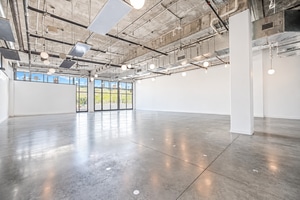
Boutique / Shop
∙
Miami Design District
3,000 sq ft
from $24,000 per day
Pop Up Restaurant & Bar Spaces for Rent in Design District, Miami
The Design District is Miami's premier destination for culinary experimentation and elevated food concepts. Whether you're launching a pop up restaurant, testing a new bar concept, or running a temporary cafe, the neighborhood offers the foot traffic, brand-conscious audience, and design-forward infrastructure that make short-term food ventures thrive. Browse available spaces below and book your food pop up in Design District today.
Why Design District for Pop Up Food Concepts
The Design District attracts a high-spending audience with strong interest in dining innovation, hospitality design, and experiential food. The neighborhood's pedestrian-focused layout, gallery openings, and weekend crowds create natural draw for pop up restaurants and bars without heavy marketing spend. Unlike South Beach's beach-heavy tourism, Design District diners are actively exploring new culinary concepts. A Pop Up Restaurant Bar Cafe Space For Rent in this neighborhood positions your brand in front of Miami's most design-conscious demographic.
Rental rates in Design District typically reflect premium positioning—expect higher per-week costs than other Miami food neighborhoods, but with matching foot traffic and brand affinity. The space types available range from ground-floor retail conversions to gallery-adjacent lounges, many with existing bar infrastructure or open kitchen setups that reduce buildout time.
What Space Types Work for Food Pop Ups Here
Design District food pop ups span several space categories:
-
Retail-to-restaurant conversions: Ground-floor storefronts with street frontage, ideal for pop up restaurants and casual dining concepts. These often have utilities and hood systems already in place, cutting permitting friction.
-
Gallery-adjacent lounges: Secondary spaces attached to or near art galleries, suited for cocktail bars, wine pop ups, and intimate tasting menus. These attract collectors and design professionals during evening hours.
-
Warehouse studios: Larger raw spaces in the neighborhood's industrial pockets, adaptable for pop up food halls, collaborative supper clubs, or catering-focused setups.
-
Show-kitchen cafes: Open-concept layouts with visible food prep, popular for breakfast pop ups, pastry concepts, and transparent cooking demonstrations.
Each space type requires different permitting paths. Most Design District landlords are familiar with short-term food licensing and can advise on the fastest approval routes.
Food Pop Up Permits and Licensing in Miami
Miami-Dade County requires a temporary food service permit for any pop up restaurant, bar, or cafe operating under 180 days. The application process typically takes 2–4 weeks if you have a confirmed lease and approved plans. Key requirements include:
-
Valid food service license or temporary permit from the county health department
-
Proof of occupancy (lease agreement) and landlord approval
-
Commissary kitchen access if you're not using an in-space hood system
-
Liability insurance (most landlords require $1–2M minimum)
-
Alcohol permit if serving beer, wine, or spirits (separate from food permits, 4–6 weeks)
Design District spaces with existing food infrastructure (certified kitchens, grease traps, hood systems) fast-track approvals significantly. When browsing spaces, confirm whether utilities and prep areas are already certified for food service. Many Design District landlords have relationships with permitting consultants and can streamline the process for experienced operators.
Neighborhood Context: Foot Traffic & Audience
Design District's foot traffic peaks Thursday through Sunday, with weeknight crowds concentrated between 6 PM and 10 PM and weekend daytime activity ramping from 11 AM onward. The neighborhood draws art collectors (during gallery hours), design professionals (weekday lunch), and upscale diners seeking new concepts (evenings and weekends). Unlike the broader Food Space In Miami market, Design District skews toward higher-ticket concepts and experience-driven dining.
Nearby neighborhoods offer contrasting audiences: Food & Drink Spaces in Wynwood, Miami draws younger, more casual crowds; Food & Drink Spaces in South Beach, Miami emphasizes beachfront tourism and nightlife. Design District food pop ups succeed when positioned as destination experiences rather than convenience dining.
Getting Your Pop Up Restaurant Approved
Once you've secured a space, the approval timeline typically follows this sequence: lease execution (1–2 weeks), health department pre-inspection (1–2 weeks), final permitting (1–2 weeks), landlord buildout approval (1–2 weeks), and soft opening (1 week). Plan 6–8 weeks total from space selection to service launch. Design District landlords generally support this timeline because short-term tenants provide revenue without long-term vacancy risk.
Working with a local food service consultant who knows Design District's approval pathway can compress timelines by 1–2 weeks. Many have existing relationships with the county health department and can flag infrastructure gaps before you sign a lease.
Frequently Asked Questions
How much does a pop up restaurant cost in Design District?
Pop up restaurant spaces in Design District typically rent for £2,500 to £8,000 per week, depending on size, location within the neighborhood, and existing kitchen infrastructure. Premium ground-floor retail with full hood systems command the highest rates; secondary or raw spaces cost less but require more buildout time and expense.
Can I run a pop up cafe in Design District?
Yes. Pop up cafes are popular in Design District, particularly for breakfast and lunch concepts targeting design professionals and gallery visitors. Spaces with existing espresso equipment or prep counters are fastest to open. You'll still need a temporary food service permit and liability insurance, but the approval process is typically quicker for cafes than full-service restaurants.
What's the best time of year to launch a food pop up in Design District?
Design District's peak seasons are late fall through early spring (Art Basel season in December) and spring gallery season (February–May). Summer offers lower rent rates but reduced foot traffic. Plan your pop up to align with neighborhood events, gallery openings, or seasonal dining trends for maximum impact.
Do I need my own commercial kitchen to operate a pop up restaurant here?
No. Most Design District pop up spaces either have certified commercial kitchens already installed or you can arrange commissary kitchen access through a shared commercial facility nearby. Confirm with the landlord and health department whether the space's existing kitchen meets your needs before signing.
Can I serve alcohol at my pop up bar in Design District?
Yes, but you'll need a separate temporary liquor license from Miami-Dade County, which typically requires 4–6 weeks of processing. Landlord and neighborhood approval is also required. Some spaces come pre-approved for alcohol service, which accelerates the permit process considerably.


