We use cookies and similar technologies to track your activity and improve your experience.
Sort by
Recommended
See on map
Featured

See on map
Fast Responder
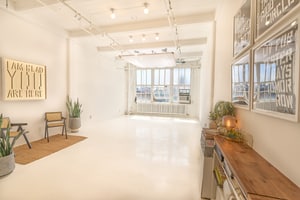
Event Space
∙
New York
1,000 sq ft
from $960 per day
Fast Responder
See on map

See on map

See on map

See on map
See on map

See on map

See on map

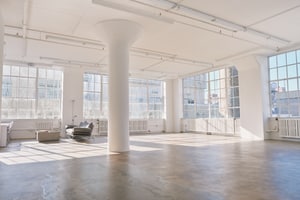
Photo / Filming Studio
∙
New York
1,216 sq ft
from $1,800 per day
Pop Up Shop on 10th Avenue, Chelsea
10th Avenue in Chelsea is one of New York's most compelling corridors for a pop-up shop. Running through the heart of the gallery district and flanked by the High Line, this stretch draws a steady flow of art-literate, design-conscious foot traffic that rewards brands with strong visual identity. Whether you are launching a product, testing a concept, or building buzz around a seasonal collection, a pop-up store on 10th Avenue puts you in front of an audience that actively seeks out new experiences.
Why 10th Avenue works for pop-up retail
10th Avenue between roughly West 19th and West 28th Streets sits at the intersection of Chelsea's gallery scene, the High Line park, and the residential density of West Chelsea's newer developments. The result is a foot traffic mix that skews creative, affluent, and curious. Galleries host openings on Thursday evenings that pull thousands of visitors into the area weekly, and the High Line draws an estimated 8 million visitors per year. A pop-up shop here benefits from that ambient traffic without competing directly with heavy commercial retail strips like Broadway or Fifth Avenue.
The corridor also offers a range of ground-floor and lower-level spaces originally built for gallery use, which means open floor plans, high ceilings, polished concrete floors, and strong natural light. These are spaces that require minimal buildout for a retail activation, keeping your setup costs low and your turnaround time fast.
Types of spaces available on 10th Avenue
Most pop-up retail spaces along 10th Avenue fall into a few categories. Former gallery spaces are the most common and tend to range from 800 to 3,000 square feet with clean white walls and flexible layouts. Ground-floor storefronts with direct street access are available closer to the intersections with major cross streets like West 23rd and West 26th. Some mixed-use buildings also offer lobby-level or mezzanine units that work well for appointment-based activations, sample sales, or invite-only launches.
Rental terms on 10th Avenue typically start at one week. Daily rates for a turnkey gallery-style space in this area generally range from $500 to $2,000 depending on square footage, season, and proximity to the High Line. If you are exploring retail space for rent across New York more broadly, the Storefront marketplace lets you filter by size, price, and availability to compare options quickly.
Best use cases for a pop-up store on 10th Avenue
The neighborhood's creative identity makes 10th Avenue a strong fit for several types of pop-up retail activation.
Fashion and streetwear brands benefit from the area's overlap with the fashion calendar. Chelsea galleries regularly host fashion-adjacent events during New York Fashion Week, and a pop-up store on 10th Avenue during September or February puts you within walking distance of major industry activity.
DTC and e-commerce brands looking to test physical retail find the area valuable because the audience is already comfortable discovering new brands in gallery-like settings. The visual expectations are high, but the infrastructure is already there.
Art and design brands, homeware labels, and lifestyle products align naturally with the neighborhood's aesthetic. A curated product display in a clean, gallery-proportioned space reads as intentional rather than improvised, which matters for brand perception.
Getting around permits and logistics
Running a pop-up shop in New York requires attention to permits, signage rules, and insurance. Chelsea is part of Manhattan Community Board 4, which is generally receptive to temporary retail activations, but you still need the basics in place: a temporary retail permit if you are selling goods, a certificate of insurance naming the landlord, and compliance with any building-specific rules about signage or hours of operation.
Storefront spaces typically come with clear terms on what is and is not included, and many landlords on the platform have hosted pop-up tenants before. For a detailed breakdown of what you need to handle on the regulatory side, the guide on New York pop-up shop regulations, permits and licenses covers the essentials.
Exploring the wider Chelsea and New York market
10th Avenue is one pocket within a much larger Chelsea retail ecosystem. If you want to compare availability across the full neighborhood, the Chelsea search page shows all current listings in the area, from the Meatpacking edge near 14th Street up through the gallery district.
For brands considering multiple neighborhoods or looking at the city-wide picture, the broader New York marketplace includes listings across SoHo, the Lower East Side, Williamsburg, Midtown, and dozens of other areas. The SoHo NYC neighborhood guide is worth reading if you are weighing Chelsea against SoHo for a fashion or lifestyle activation, since both neighborhoods attract a similar demographic but offer different street-level dynamics.
Frequently Asked Questions
How much does it cost to rent a pop-up shop on 10th Avenue?
Daily rates for a pop-up shop on 10th Avenue in Chelsea typically range from $500 to $2,000. Pricing depends on square footage, proximity to the High Line, time of year, and whether the space comes turnkey or requires buildout. Weekly and monthly terms often come with discounted rates.
How long can you rent a pop-up store on 10th Avenue?
Most spaces on 10th Avenue are available for short-term rental starting at one week. Some landlords offer daily bookings for event-style activations, while others prefer minimum terms of two to four weeks. Longer stays of one to three months are also common for seasonal retail or product testing.
What kinds of brands open pop-up shops on 10th Avenue?
Fashion labels, DTC e-commerce brands, art and design studios, lifestyle product companies, and beauty brands are the most common tenants. The neighborhood's gallery culture and High Line foot traffic attract brands that rely on visual merchandising and experiential retail to connect with customers.
Do you need a permit for a pop-up shop in Chelsea, New York?
Yes. You typically need a temporary retail permit from the City of New York, a certificate of insurance, and compliance with building-level rules on signage and hours. If you plan to serve food or alcohol, additional permits are required. Many Storefront landlords can guide you through the process.
What makes 10th Avenue different from other New York pop-up locations?
10th Avenue offers gallery-proportioned spaces with high ceilings, open layouts, and strong natural light, all originally designed for art exhibitions. The High Line brings consistent foot traffic, and the neighborhood skews toward a creative, affluent audience. It is less commercially dense than SoHo or Fifth Avenue, which gives pop-up shops more room to stand out.


