We use cookies and similar technologies to track your activity and improve your experience.
Sort by
Recommended
See on map
Fast Responder

Mansion / House
∙
Venezia
1.800 m²
from 12.000€ per day
Fast Responder
See on map

See on map

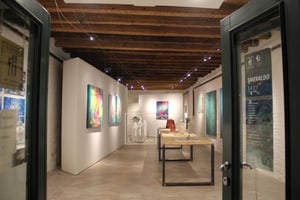
Art Gallery
∙
Venezia
40 m²
from 360€ per day
See on map

See on map
See on map

Event Space
∙
Venezia
448 m²
from 5.400€ per day
See on map

Art Gallery
∙
Venezia
370 m²
from 960€ per day
See on map

Event Space
∙
San Marco
150 m²
from 1.800€ per day
See on map

See on map

Short-Term Commercial Space for Rent in Venice
Venice is one of the most distinctive commercial environments in the world. The city draws millions of visitors a year, hosts globally significant cultural events, and offers a retail and event landscape unlike any other in Europe. Whether you need a pop-up shop in San Marco, a showroom near the Biennale venues, or an event space for Carnival season, Storefront lists short-term commercial spaces across the city's main sestieri.
Browse available spaces on Retail Space For Rent to find options matched to your use case and timeline.
Venice's Commercial Neighborhoods
Venice is divided into six historic districts, known as sestieri. Each has a different commercial character, and choosing the right one matters as much as choosing the right space.
San Marco is the city's highest-footfall area. The streets around Piazza San Marco and the Rialto bridge carry heavy tourist and luxury retail traffic year-round. This is the strongest location for premium pop-up shops, brand activations, and consumer-facing events. Expect premium rates and limited availability during peak seasons.
Dorsoduro anchors Venice's arts scene. The neighborhood is home to the Peggy Guggenheim Collection, the Punta della Dogana, and a cluster of independent galleries. It is the natural fit for pop-up art exhibitions, creative brand installations, and cultural events. Demand here peaks sharply around the Venice Biennale, which runs in odd-numbered years from April through November.
Cannaregio offers an alternative to the tourist core. It has a denser local population, lower rental rates, and a creative community that has grown steadily over the past decade. Brands looking for an authentic Venetian setting without San Marco prices tend to land here.
Santa Croce and San Polo sit around the Rialto market and provide good access to both locals and visitors. These areas work well for food-led activations, market-style retail, and short-format events.
When to Book Space in Venice
Venice has defined commercial peaks that drive intense demand for short-term space. Booking early is essential.
Venice Carnival (January to February) brings hundreds of thousands of visitors into the city over two to three weeks. Pop-up shops, branded experiences, and event spaces book out months in advance.
Venice Biennale (odd years, April through November) is the single largest driver of arts and cultural space demand. Galleries, showrooms, and event venues in Dorsoduro and Giudecca fill quickly once the official programme is announced. Brands, artists, and institutions use the Biennale calendar to time product launches and exhibitions.
Summer season (June through September) brings peak tourist numbers. Retail and hospitality-adjacent spaces across San Marco and the Grand Canal see their strongest footfall of the year.
Acqua Alta season (October through January) is worth factoring into logistics planning. High water events can temporarily affect access to ground-floor spaces in lower-lying areas. Most landlords are experienced with this and factor it into short-term letting terms, but it is worth confirming access arrangements before booking.
Practical Considerations for Renting Space in Venice
Venice has specific logistical realities that do not apply to most other European cities.
All deliveries and equipment movement happen by boat or on foot. There are no road vehicles in the city. If your activation requires heavy equipment, large fixtures, or frequent restocking, factor in the time and cost of water-based freight. Most experienced Venetian landlords can advise on reputable transport companies.
Permit requirements for commercial events and temporary retail vary by sestiere and by the nature of the activity. Events in public areas near listed buildings or the Piazza San Marco require municipal approval and can have longer lead times than comparable permits in mainland cities. For private spaces, the process is more straightforward, but it is worth beginning permit conversations at least four to six weeks before your intended activation date.
Seasonal planning for the Biennale and Carnival is especially important. Spaces in prime locations during those periods are often agreed six to twelve months in advance by returning clients. If you are targeting either peak, begin your search early.
FAQ
Can I run a pop-up shop in Venice?
Yes. Short-term retail is active across Venice, particularly in San Marco, Cannaregio, and the Rialto area. Temporary leases of one week to several months are available through Storefront. The main practical differences from mainland cities are logistics (all movement is on foot or by boat) and permit timelines for public-facing activations.
What types of commercial space are available in Venice?
Storefront lists pop-up retail units, event venues, showrooms, and art gallery spaces across Venice's main neighborhoods. Space types range from boutique street-level retail in San Marco to gallery-format spaces in Dorsoduro suited to exhibitions and brand installations.
How much does short-term commercial space cost in Venice?
Rates vary significantly by neighborhood, space size, and season. San Marco commands the highest premiums, particularly during Carnival and summer. Dorsoduro gallery spaces see demand spikes around the Biennale. Cannaregio and Santa Croce offer more accessible rates for longer activations or less tourist-dependent use cases. Contact landlords directly through Storefront for current pricing.
When is the best time to book event space for the Venice Biennale?
If you are planning an activation tied to the Biennale opening, aim to secure your space six to nine months in advance. The most sought-after venues in Dorsoduro and Giudecca are often committed well before the official programme is published. For later in the Biennale run, three to four months lead time is more realistic.
Do I need a permit to run a commercial event in Venice?
For private indoor spaces, standard short-term commercial letting applies and the permit process is relatively straightforward. For outdoor or public-facing events near protected landmarks or in high-footfall areas like San Marco, municipal permits are required and timelines can run four to six weeks or longer. Your landlord or Storefront can advise based on your specific use case.
What is the best neighborhood in Venice for a pop-up shop?
San Marco delivers the highest footfall for consumer-facing retail, making it the default choice for brands targeting tourists and high-spend visitors. Dorsoduro suits arts, culture, and creative brand activations. Cannaregio works well for longer-format activations targeting a more local audience at lower cost. The right neighborhood depends on your audience, budget, and activation type.
For ideas on how to time and plan a seasonal retail activation, the Seasonal Pop-Up Shops: Retail Ideas for Every Holiday and Occasion guide covers planning across major retail peaks.


