Why rent space in Brooklyn?
Brooklyn's converted warehouse stock, industrial zoning and neighborhood density make it the preferred market for brands that need either walk-in retail frontage or large-scale production and event space. The borough's subway lines run radially into Manhattan rather than across the borough, so a Brooklyn location is a deliberate choice that brings a committed audience rather than Manhattan overflow. That audience is younger, more design-led and more loyal to independent retail than Manhattan's transient footfall.
The neighborhoods differ sharply. Williamsburg carries the highest footfall and the busiest retail strips; East Williamsburg offers cheaper, rawer warehouse space suited to production and activations; Bushwick and Ridgewood anchor the gallery and studio scene; Dumbo trades on tourism and sightline; Park Slope and Prospect Heights run on residential density and local loyalty; Gowanus and Red Hook hold the largest single-storey buildings for events and makers. A brand choosing Brooklyn first chooses a neighborhood, then a street, then a space.
Types of space available
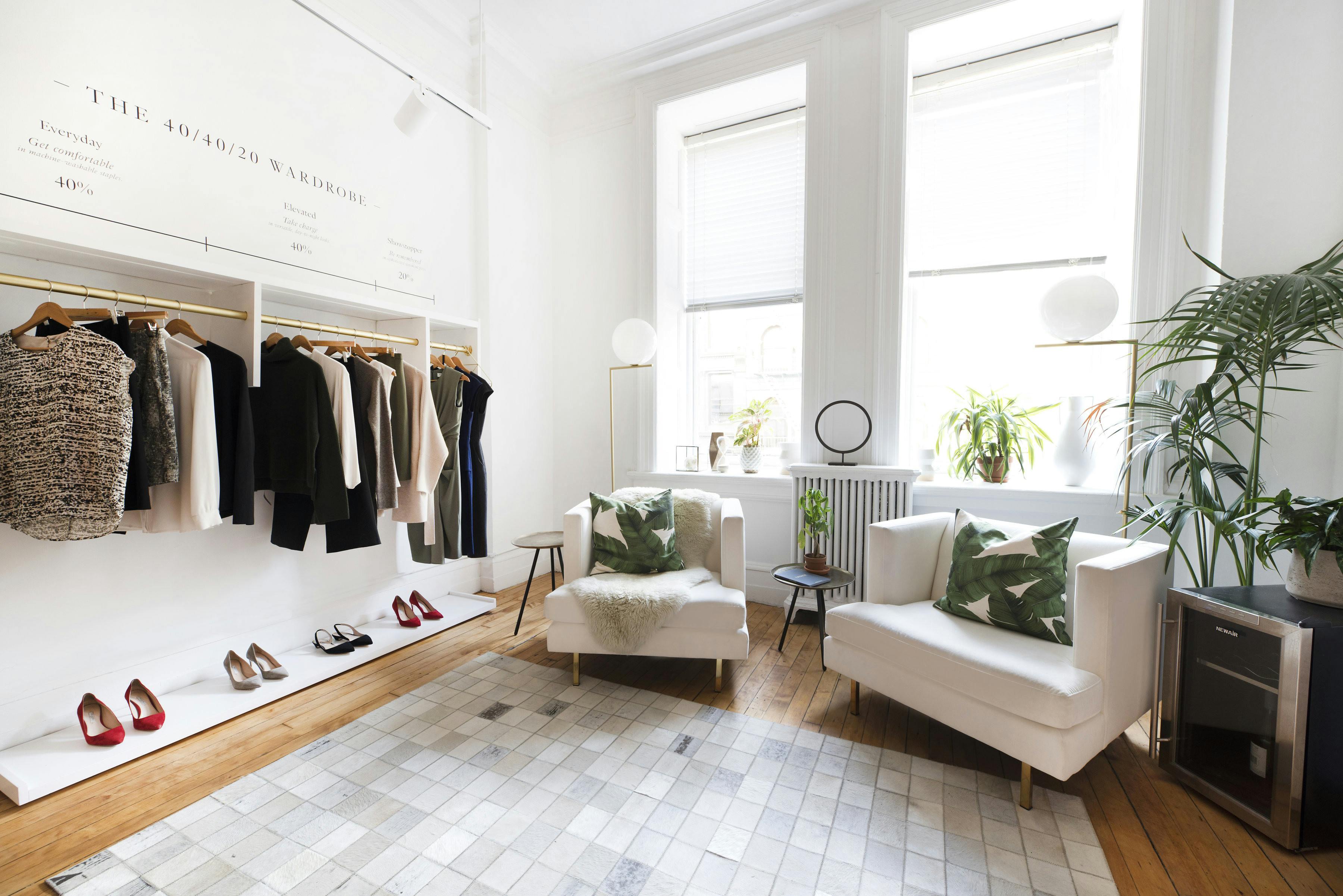
Most Brooklyn short-term stock is converted industrial: warehouse lofts with high ceilings, column-spaced floors, freight access and roller shutters. That profile suits production, photography, showrooms, galleries and events far more than walk-in retail. Ground-floor retail frontage exists on named avenues, Bedford in Williamsburg, Manhattan in Greenpoint, Fifth in Park Slope, Nostrand in Crown Heights, Eighth in Sunset Park, but it is concentrated rather than scattered, so availability on a specific street is real scarcity.
-
Warehouse and loft space: large floor area, high ceilings, loading access, roller shutters. Typical use: production, photography, activations, events, showrooms.
-
Ground-floor retail frontage: smaller units, street-facing, pedestrian traffic, window display. Typical use: pop-up shops, galleries, short-term brands.
-
Event and gallery venues: climate-controlled, configured for public gatherings, often with dedicated entry and facilities. Typical use: launches, exhibitions, markets, receptions.
Neighborhoods and booking patterns
Williamsburg is the single highest-demand short-term district in Brooklyn and the one brands ask for by name. Its Saturday and evening crowds drive retail; Bedford Avenue between the station and North 6th Street is the busiest retail stretch. Booking typically happens 4 to 8 weeks ahead and competition is intense.
Greenpoint sits north of Williamsburg, quieter and more residential, with longer availability windows and lower prices. It suits brands targeting a neighborhood customer rather than a visitor audience.
Bushwick and East Williamsburg anchor the studio and gallery scene. Space here is large, cheap and raw, with good availability outside peak season. Production and photography companies prefer it; walk-in retail is harder.
Dumbo is small, tightly defined, and carries the heaviest tourism in the borough. Space here is scarce and expensive, and it books far in advance.
Park Slope runs on residential loyalty and family spending, with continuous retail along Fifth and Seventh Avenues. Availability is steady because local demand is predictable and reliable.
Industry City in Sunset Park is a thirty-five acre creative campus holding hundreds of tenants in maker, retail, food and design space. It runs its own pop-up programme, which makes it one of the more accessible routes into Brooklyn short-term space.
Red Hook is cut off from the rest of Brooklyn by the expressway and has no subway station of its own. It carries the lowest foot traffic in the borough and the longest booking lead times, but it holds the largest single-storey buildings for events and makers that need floor area.
Seasonality and lead times
Demand for short-term space in Brooklyn peaks from late spring through early autumn, when the outdoor markets, waterfront parks and street events are running, and again in the run-up to the December holidays. The waterfront parks (Domino Park, Brooklyn Bridge Park) are seasonal attractions that carry heavy footfall from May through September and much less outside it.
Smorgasburg, the largest weekly open-air food market in the country, runs Saturdays in Williamsburg and Sundays at Prospect Park from spring into late autumn. For food and drink brands it is the first physical presence many take in New York, and it is a genuine route into short-term space rather than a sideshow.
The deep winter is the quietest stretch, which is the opposite of Manhattan where weather matters less. If a space is available in February, it will be cheaper and easier to book than the same space in May.
Peak-season bookings (April through October) typically happen 4 to 6 weeks in advance. Shoulder seasons and winter offer greater flexibility and faster turnaround, sometimes as little as a few weeks' notice.
Permits and logistics
Brooklyn's industrial areas sit in manufacturing zoning districts where industrial and most commercial uses are permitted. A brand taking space in one is taking commercial space in an industrial building, which usually means a cheaper, larger and rawer unit than a high-street frontage.
Parts of Williamsburg and Greenpoint sit in a Special Mixed Use District written to encourage investment by permitting a wide variety of uses. That is why those blocks hold apartments, workshops and shopfronts side by side.
Brooklyn holds a large number of historic districts, and most exterior changes inside one need planning review, with a permit needed for signage and lighting. If the space sits in one of those districts, external branding needs planning ahead.
Freight access and loading are usually better than in Manhattan because so much Brooklyn stock is former industrial: roller shutters, yards, goods lifts and street-level vehicle access are common. For anything involving a build, a delivery or a large object, that is often the deciding factor.
New York places no restriction on Sunday retail trading, and in Brooklyn the weekend is the trading peak. A temporary space here should plan for a seven-day week weighted to the weekend.
FAQ
What types of spaces does Brooklyn have the most of?
Converted warehouse and loft space with high ceilings, large floor area, and loading access. That stock suits production, photography, activations and events far more than walk-in retail. Ground-floor retail frontage exists but is concentrated on named avenues, Williamsburg's Bedford Avenue, Greenpoint's Manhattan Avenue, Park Slope's Fifth Avenue, so availability on a specific high-traffic street is real scarcity.
How far in advance should I book a Brooklyn space?
Peak-season bookings (spring through early autumn and the December holidays) typically happen 4 to 6 weeks in advance. Shoulder seasons and winter offer greater flexibility and faster turnaround, sometimes as little as a few weeks' notice. If a space is available in February, it will be cheaper and easier to book than the same space in May.
What neighborhoods have the most availability and foot traffic?
Williamsburg carries the highest footfall and the busiest retail strips, but it is also the most competitive and expensive. Greenpoint, Park Slope and Bushwick offer strong foot traffic and longer availability windows. East Williamsburg and Red Hook offer large spaces and lower prices but lower foot traffic. Dumbo is small and scarce. Industry City in Sunset Park is a large creative campus with its own pop-up programme.
Do I need permits to operate a pop-up space in Brooklyn?
Using a legally leased retail space generally needs no special street permit simply because customers walk in. The permitting conversation begins the moment the activity reaches the pavement, a queue, a table outside, a stage, amplified sound, or anything that occupies the kerb. Any of those goes through the Street Activity Permit Office with lead times from around ten days for a small production to three weeks or longer for a medium commercial event. If the space sits in a historic district, external branding needs planning ahead as well.
Can I book a space for less than a month?
Yes. Short-term leases in Brooklyn run from a single day upward, depending on the space and the landlord's terms. Peak-season spaces book 4 to 6 weeks in advance; shoulder seasons and winter offer greater flexibility and shorter lead times.
What is the difference between retail and event spaces in Brooklyn?
Retail spaces are ground-floor units with street frontage, window display and pedestrian traffic, suited to pop-up shops and galleries. Event and gallery venues are climate-controlled, configured for public gatherings, and often have dedicated entry and facilities. Warehouse and loft space is large, open-plan, usually unfinished, with loading access and no inherent foot traffic, it suits production, photography, activations and self-promoted events. Each type has different pricing, availability windows and customer profiles.
Explore more: Pop-Up Store Rental · Storefront With Apartment