What makes a venue truly unique in Amsterdam
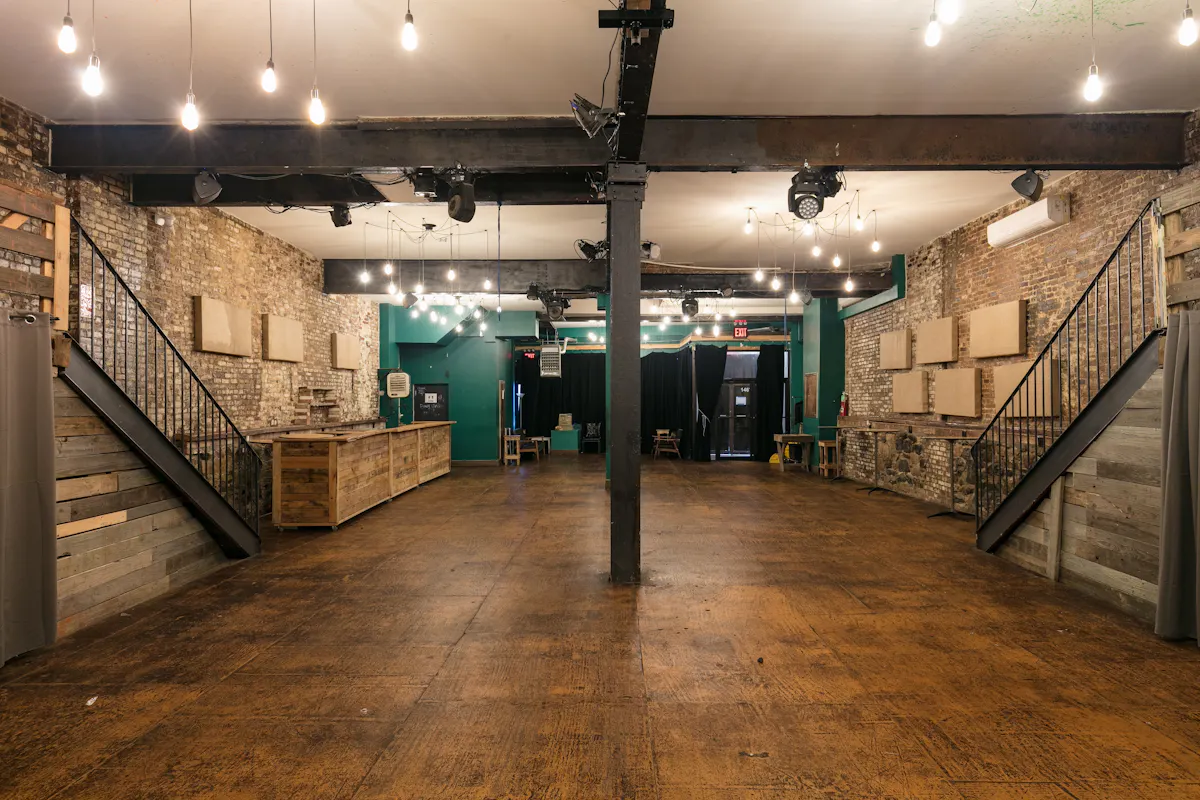
A unique event venue is one that brings a sense of place no hotel ballroom can replicate: a converted gasworks, a narrow canal house with original beam ceilings, a heritage warehouse with loading doors wide enough for a full production build. In Amsterdam the building stock is unusually well suited to this. The city's seventeenth-century fabric, its ring of listed canal houses and its cluster of decommissioned industrial sites on the water all produce spaces that are architecturally specific in a way that a purpose-built conference room cannot be.
For an event planner, that specificity is the asset. Guests remember where they were, not just what happened.
What a unique event venue for rent in Amsterdam typically costs
For a unique event venue rental in Amsterdam, daily rates typically start from €578 and run to around €1,000 across the lower half of the market. Weekly rentals for the same cohort start from €2,513 and reach €3,625. Rates at the character end of the market, particularly large industrial spaces and listed buildings, sit above those figures.
Final rates depend on duration, exclusivity, and event timing. Pricing shown reflects typical asking ranges for spaces in the area; final booking terms are negotiated directly with the host.
A few factors move the number most:
-
Space size and column-free floor area, which is genuinely scarce in the old city
-
Whether the host includes AV equipment, furniture, or staffing, or prices these separately
-
The booking window: canal-side and industrial spaces in the Jordaan and along the water book weeks ahead for the October music week and the summer months
Where to find unique event venues in Amsterdam
Amsterdam's most distinctive event spaces are spread across the city rather than concentrated in one district. Three areas deliver the strongest combination of spatial character and guest access.
The Jordaan and the western canal ring hold some of the most photographed interiors in the city: multi-storey canal houses with original oak beams, narrow street frontage and surprisingly deep floor plates. Spaces here work well for press days, brand dinners and private receptions where the architecture itself does the talking. Guest access is straightforward, with good public transport connections across the district.
Amsterdam Noord has become one of the city's leading addresses for large-format, production-heavy events. The former industrial sites on the north bank offer the kind of floor area, ceiling height and vehicle access that the historic Centrum physically cannot. The IJ ferries connect Noord to Amsterdam Centraal, and the Westergasfabriek, on the west side of the city, operates on the same principle: a cluster of listed gasworks buildings with power, rigging and loading infrastructure already in place. Its Gashouder is one of the largest column-free spaces in the Netherlands. For anything requiring a full build, these venues change what is possible.
De Pijp and Oud-Zuid provide a middle register: ground-floor spaces and small halls in residential neighborhoods, suited to intimate launches, gallery-style installations and product showrooms where the audience is deliberately small.
For a broader view of what is available across the city, event space in Amsterdam covers the full range. For spaces in the east of the city, Amsterdam East has its own distinct set of industrial and cultural buildings.
Unique venues vs. standard event spaces: what the difference means in practice
-
Architectural identity: A unique venue arrives with a visual language. A hotel ballroom needs it built from scratch.
-
Exclusivity: A converted industrial space or a listed canal house cannot be booked by another brand the same week. That scarcity has commercial value.
-
Production constraints: Unique spaces often have restrictions that standard venues do not. A listed building limits what can be fixed to walls or floors. A narrow canal house has a steep internal stair and no rear service door. Knowing this before booking avoids the most common planning surprises.
-
Neighbour considerations: A ground-floor space on a residential canal has different noise limits from a standalone industrial hall. Always confirm the end time with the host before committing to a programme.
Booking a unique event venue in Amsterdam: what to confirm before signing
Amsterdam's planning framework treats events inside a leased space differently from events that spill into public space. An activation held entirely within the venue walls does not require an event permit. The moment a queue forms on the pavement, sound is audible outside, or equipment sits on the street, the public-space ordinance applies and the lead time extends significantly. Keeping the event inside the demise is the cleaner planning path for a first Amsterdam activation.
A few things worth confirming directly with the host:
-
What is included in the rate and what is hired separately
-
Whether the space has step-free access, given that many canal-house ground floors are up a stoep of two or three steps
-
Vehicle access for fit-out, particularly for any space inside the zero-emission zone covering the Centrum and the canal ring, where delivery logistics require advance planning
-
The keys-back date, which in Dutch short leases has legal significance
For spaces suited specifically to the Amsterdam Dance Event week in late October, event space for Amsterdam Dance Event is worth reviewing early: demand for that week is committed months ahead.
FAQ
What counts as a unique event venue rental in Amsterdam?
A unique event venue for rent in Amsterdam is any space with an architectural or spatial identity that a standard hotel or conference room cannot offer. This includes converted industrial buildings, listed canal houses, gallery spaces, cultural institutions and floating venues on the water. The term covers the full range from intimate rooms for twenty guests to large-format halls built for productions requiring a vehicle entrance.
How far in advance should I book a unique event venue in Amsterdam?
For peak periods, particularly the Amsterdam Dance Event week in late October, summer weekends and the Sinterklaas run from mid-November, popular unique venues commit several months ahead. For quieter periods in winter and early spring, a shorter lead time is usually workable. Confirming availability early is the reliable path regardless of timing.
Are catering, AV and staffing included in the rental rate?
Inclusions vary by host and are set out in each listing. Some unique venues include AV infrastructure, furniture and on-site staff in the rental rate. Others price these separately or require the renter to bring their own suppliers. Always confirm what is and is not included before booking, rather than assuming a standard package applies.
Can I serve alcohol at an event in a unique venue in Amsterdam?
Serving alcohol in a commercial setting in the Netherlands requires a license that attaches to the premises and the operator, not to the event. The practical routes are hiring a licensed caterer who holds the relevant exemption in their own name, or booking a space that already has a hospitality license. Confirm the alcohol situation directly with the host before finalizing the programme.
What is the cheapest type of unique event venue for rent in Amsterdam?
Among unique venues, smaller gallery-style spaces and ground-floor units in residential neighborhoods outside the canal ring tend to sit at the lower end of the range. Spaces available for cheap event hire in Amsterdam are worth reviewing if budget is the primary filter. For any space, the weekly rate offers better value per day than booking by the day for a multi-day event.