What is a pop-up shop? Everything you need to know to try short-term retail > How to set up a pop-up shop in 6 stages. Set yourself up for success with this handy checklist > How To Market Your Pop-Up Store > 6 Pop-Up Shop Strategies And Marketing Tactics for Success
Whether your pop-up shops are around for one day or six months, they won’t stay put for long. As the owner, you’ll want to generate buzz, raise awareness, and maximize sales revenue in a short amount of time through effective pop-up shop marketing.
To maximize both your investments and profit, your pop-up store should grab attention immediately. It should let your target audience know that they need to act now, creating a strong sense of urgency and generate interest. This kind of pop-up experience is a win-win: a low-risk option for brands and a one-time opportunity for potential customers.
Businesses and major brands have been using pop-up marketing and temporary retail spaces for years as part of their marketing strategy. But what are pop-up shops? They are temporary retail spaces designed to promote a product launch, test seasonal trends, or build brand awareness. When executed properly, pop-up events can generate excitement, people talking, and even attract local media.
A successful pop-up store marketing strategy boils down to three elements: empathy for your customer, a memorable customer experience, and moresales. Below are six pop-up marketing efforts that will help you achieve these goals.
Why pop-up shop strategy and marketing tactics important for success
A pop-up shop marketing strategy is one of the most effective ways to build brand awareness, draw attention, and increase foot traffic both online and offline. It allows brands to connect through direct interaction and collect valuable data and customer feedback.
Because pop-ups typically last only a few hours, days, or weeks, your marketing strategy must be precise. From defining your brand’s identity to tracking key metrics, every decision matters if you want to generate brand awareness and leave a lasting impression.
Book the Right Space
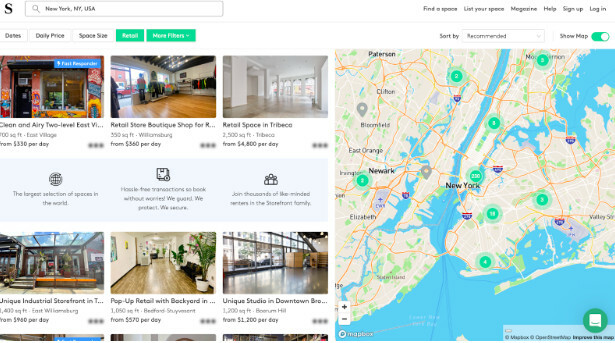
A successful pop-up shop marketing campaign starts with the right pop-up retail space.
Choose a Strategic Pop-Up Location
Location is one of the most important factors in driving foot traffic. A high-visibility pop-up space naturally attracts new customers and nearby businesses, helping you reach the right audience without relying solely on ads.
A well-chosen physical space enhances your brand image and supports brand activation. When your retail space stands out from the street, it instantly draws attention and encourages passersby to interact with your brand.
Leverage Influencers and Local Personalities
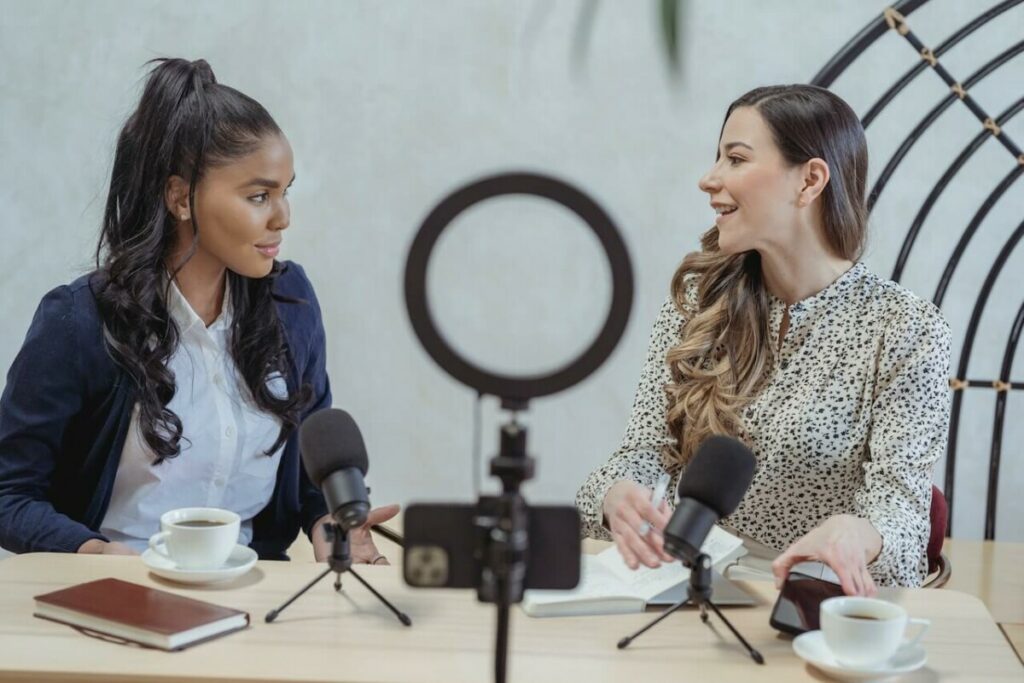
Collaborate with Local Influencers
One of the most effective pop-up marketing efforts is working with local influencers and social media influencers who already have strong social media engagement within the local community.
By inviting influencers to your pop-up event, you encourage user generated content, spread awareness, and reach new audiences organically.
Create an Influencer-Friendly Pop-Up Experience
Your pop-up experience should be visually appealing and aligned with your brand’s identity, making it easy for influencers to post stories, reels, and live content that generate buzz and build brand awareness.
Also, consider leveraging tools like engagement calculators to dictate whether or not an influencer has enough engagement within the community before you send them an invite to attend your event.
Seize Those Seasonal Opportunities
Jot down what Marlena Stell, influencer and CEO of Marsté Fashion, told us at Storefront about choosing 4 days for her pop-up shop in SoHo:
“Most people tend to visit the opening weekend anyways, so it was just the best decision for us starting out.”
Align with Seasonal Trends
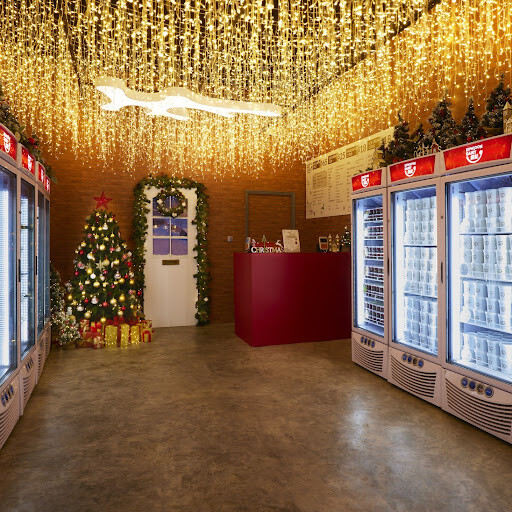
Seasonal pop-up events create urgency and drive seasonal sales. Whether it’s Christmas, Easter, or summer launches, limited-time offers naturally generate excitement and generate interest.
By aligning your pop-up store with cultural moments, you increase the likelihood of attracting loyal customers and new customers looking for exclusive experiences.
Leverage Omnichannel
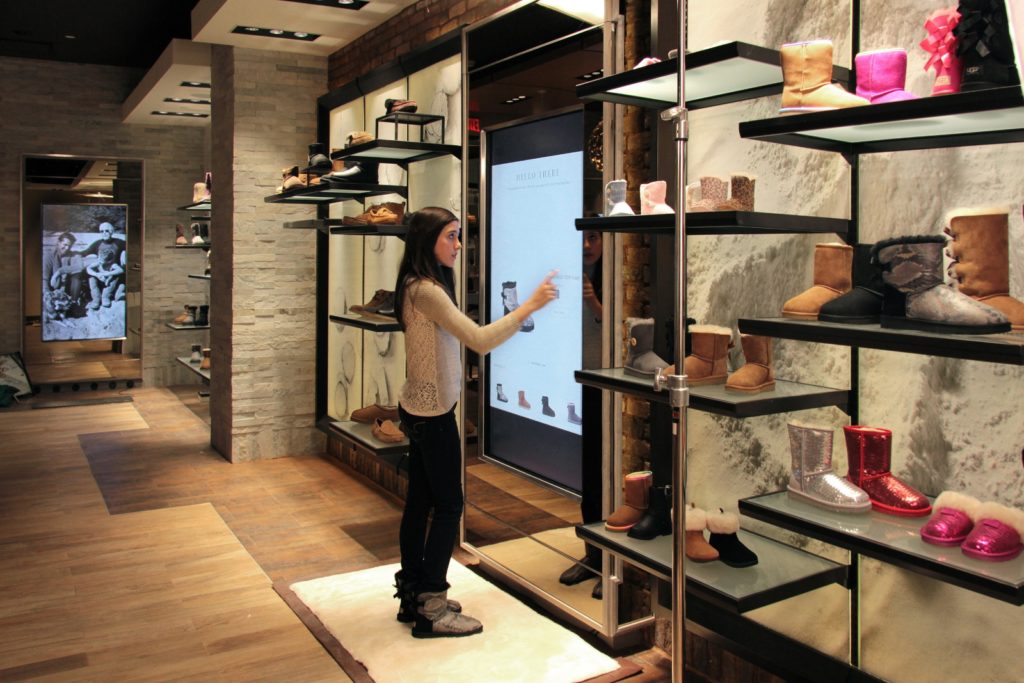
Even though 60% of consumers prefer to shop online, brick and mortar pop-ups remain powerful. A strong omnichannel marketing strategy allows customers to engage via mobile apps, QR codes, or online stores while visiting your pop-up space.
This approach improves customer engagement, gathers valuable insights, and enhances the overall customer experience.
Connect Online & Offline Channels
Fortunately, pop-up shops are an essential part of omnichannel retailing. This gives target customers the option to purchase both online and offline, via channels like scannable QR codes, mobile apps, and even instantly selecting home-delivery options.
Retailers can experiment with pop-ups to combine online and offline channels marketing strategies. Back in October 2018, Amazon opened a pop-up fashion shop in London for a week. Its purpose was to get honest feedback on a clothing range, customer experience, and general prices.
According to The Guardian, pop-up shoppers could “buy goods in the store and take them away in the traditional way or scan codes on product tags with Amazon’s mobile phone app or use in-store tablets to order for home delivery.”
This range certainly boosted the overall customer engagement and the shop’s first impression.
Offer More Payment Options
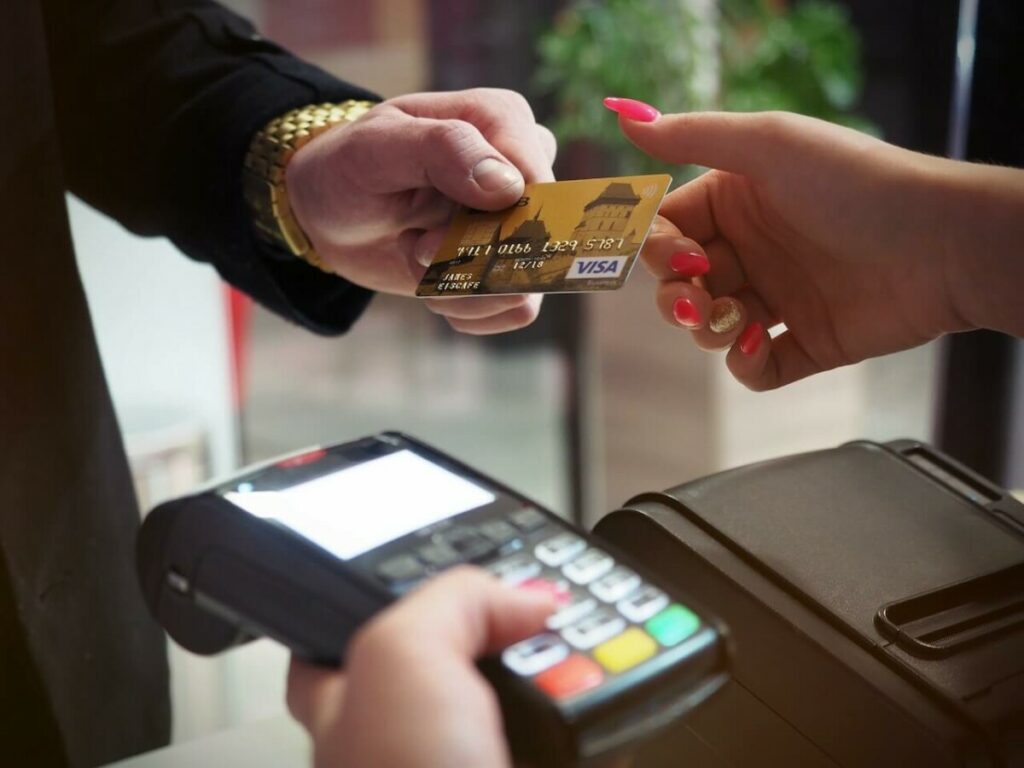
Want more sales? Then avoid placing obstacles in the way of your customers’ payment methods.
Remove Barriers to Purchase
It’s true that only 50% of Americans carry cash with them – but they still do, and may prefer to pay for products that way. It’s not up to you. Conversely, the 83% who own at least 1 credit card may want to use it for every purchase.
Offering multiple payment methods directly leads to more sales. Whether customers prefer cash, cards, or contactless options, frictionless payments improve the customer experience and increase sales revenue.
By simplifying checkout, you encourage impulse buys from potential customers and strengthen trust with your existing customer base.
After Your Event Ends…
Extend the Impact Beyond the Event
After your pop-up event ends, your marketing shouldn’t stop. Use social media, create a Facebook event recap, and encourage sign ups to collect email addresses.
Gain Free Publicity
Sharing highlights with local publications, local media, and encouraging reviews can generate media attention and free publicity.
Measure & Improve
Analyzing social media engagement, key metrics, and customer feedback provides valuable data for your next event and helps refine future pop-up marketing strategies.
Conclusion
In conclusion, pop-up shop marketing is a powerful tool for brand awareness, customer engagement, and testing new audiences. From product launches to brand activation, pop-ups help brands connect authentically and leave a lasting impression.
With the right marketing strategy, a strong clear call to action, and meaningful direct interaction, pop-up shops can deliver strong returns in sales revenue, visibility, and long-term growth.

- How to Open a Successful Pop-Up Shop in London’s Fast-Fashion Neighborhoods - December 23, 2022
- The Benefits of Opening a Pop-Up Shop in NYC’s Fast-Fashion Neighborhoods - December 23, 2022
- Reaping the Benefits of Long-Term Pop Up Stores: Tips and Advice - December 23, 2022