
Halloween has grown from a children’s holiday into one of the most important seasonal retail moments of the year. Across North America and Europe, brands increasingly launch Halloween pop-up shops to capture seasonal demand, showcase themed products, and create memorable retail experiences.
According to the National Retail Federation, Halloween spending in the United States alone regularly exceeds $9 billion, with consumers purchasing costumes, decorations, candy, and themed products throughout October.
For brands, this surge in seasonal demand creates an ideal opportunity to launch temporary stores in busy shopping districts and high-footfall neighbourhoods.
Retailers planning a seasonal activation can browse thousands of temporary retail spaces on Storefront.
Why Brands Launch Halloween Pop-Up Shops
Halloween combines strong consumer demand with a festive atmosphere that encourages experimentation and creativity.
For brands, temporary stores offer a flexible way to participate in the season without committing to long-term leases.
Many companies launch Halloween pop-ups to:
- showcase seasonal or themed products
- create immersive brand experiences
- test new retail locations
- increase visibility during peak seasonal foot traffic
- generate social media buzz and press coverage
Because pop-up stores operate for a limited period, they also create urgency among customers, encouraging visitors to purchase before the store disappears.

Why Halloween Is a Growing Retail Moment
What was once primarily a children’s celebration has evolved into a cross-generational retail phenomenon. Today, adults spend heavily on costumes, decorations, themed events, and seasonal experiences.
This growing demand has helped transform Halloween into a major retail opportunity.
Temporary stores also became particularly popular during periods when retail real estate vacancies increased. Landlords with empty units were often happy to accept short-term tenants, while seasonal retailers could quickly establish physical locations without long-term commitments.
Even as retail markets evolve, the pop-up model remains ideal for seasonal retail because it allows brands to scale their presence only during peak demand. Our guide on how to open a pop-up store explains how brands use temporary retail to test markets and launch seasonal activations.
Halloween Pop-Up Shop Ideas
Halloween is one of the most creative moments in the retail calendar. The best pop-up stores often combine themed environments with interactive experiences.
Some popular Halloween pop-up concepts include:
Costume and accessories stores
Costume retailers are the most obvious Halloween pop-up format. Temporary stores selling costumes, makeup, and props appear in cities across the world each October.
Because these products are highly seasonal, pop-up stores allow brands to sell large volumes without maintaining permanent stores year-round.
Immersive themed experiences
Some brands use Halloween pop-ups to create theatrical retail environments. Haunted house concepts, horror-themed stores, or interactive installations can transform a retail space into an experience.
These environments often attract strong social media attention.
Seasonal product launches
Brands in sectors such as beauty, food, or home décor sometimes launch Halloween-themed collections through temporary stores.
These activations allow brands to showcase limited-edition products in a memorable setting.
Experiential marketing pop-ups
Halloween is also ideal for experiential marketing. Pop-up shops may include costume contests, photo installations, or themed events that encourage visitors to interact with the brand.
Examples of Halloween Pop-Up Shops
Many well-known brands have successfully used Halloween pop-ups to increase sales and visibility.
The Dodo
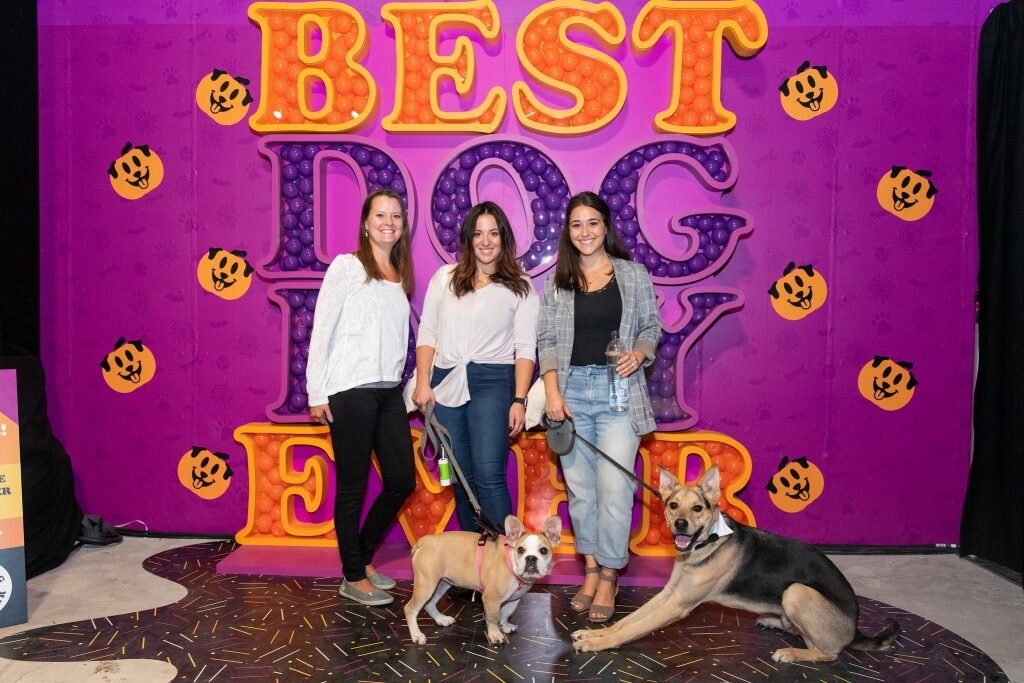
Media brand The Dodo created a large-scale Halloween pop-up experience in Brooklyn designed specifically for dogs and their owners. The month-long activation, called “The Best Dog Day Ever,” transformed a 17,000-square-foot space in Williamsburg into a playful environment filled with toys, treats and activities for pets. Timed to coincide with the popular Halloween dog parade season, the pop-up attracted thousands of visitors and demonstrated how seasonal events can turn pop-up stores into memorable community experiences.
Read the full case study: How Media Brand The Dodo Launched Its 17,000 Square Foot Pop-Up Space for Dogs (and Humans!).
Party City
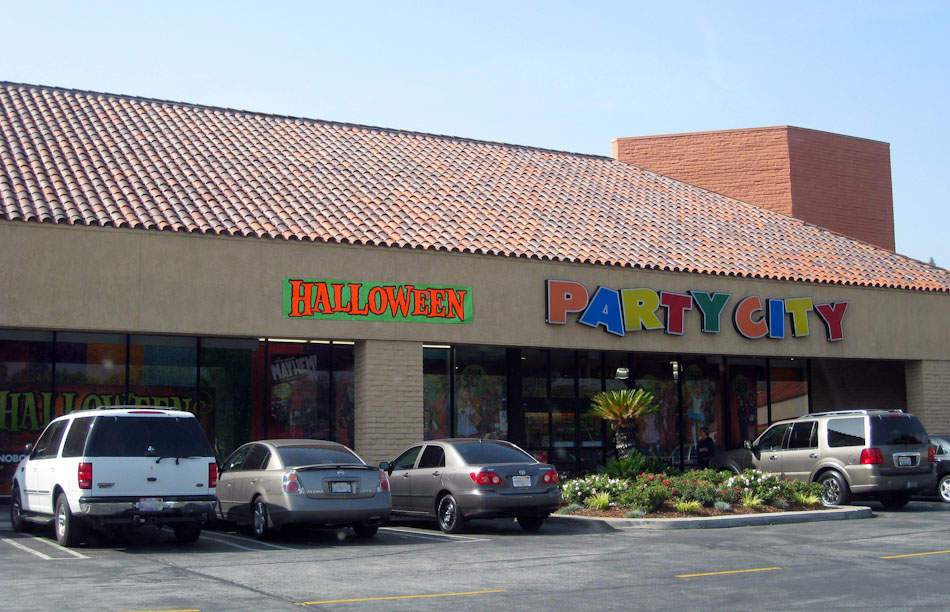
Party City operates hundreds of stores throughout the year, but Halloween represents a significant portion of the company’s annual revenue.
For brands
Ready to launch your pop-up?
Find and book your short-term retail space with Storefront.
Find a spaceTo capitalise on the season, the company launches Halloween City pop-up stores across North America. These temporary stores sell costumes, decorations, and themed products while taking advantage of short-term retail spaces during the Halloween period.
In some locations, Party City has experimented with hybrid concepts that combine Halloween stores with toy retail, allowing the space to transition into Christmas retail immediately after the season ends.
Spirit Halloween
Spirit Halloween is one of the most famous seasonal retailers in the world and a pioneer of the Halloween pop-up model.
Each year the company launches more than 1,000 temporary stores across North America, typically operating between late August and early November.
Spirit Halloween works closely with landlords to occupy vacant retail units for a short period, turning empty spaces into highly profitable seasonal stores.
The brand demonstrates how pop-up retail can be used as a scalable seasonal business model.
Ricky’s Halloween Pop-Ups
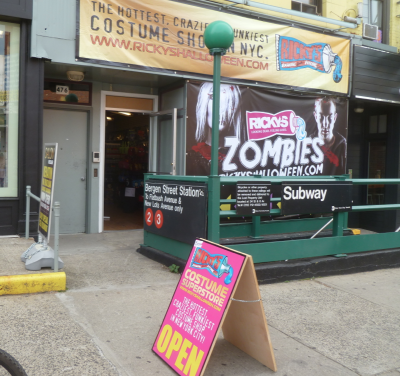
Beauty retailer Ricky’s uses Halloween pop-up stores as a key part of its annual strategy.
Each year the brand opens temporary stores dedicated to Halloween costumes, makeup, and accessories. These activations generate roughly 20% of the company’s annual sales.
Beyond revenue, the pop-ups also function as test locations for future permanent stores. By analysing foot traffic and customer behaviour, Ricky’s can evaluate new markets before committing to long-term retail spaces.
Grandin Road
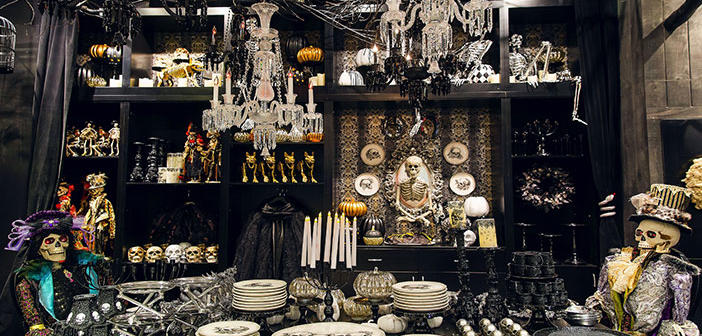
Home décor brand Grandin Road launched a Halloween concept pop-up inside Macy’s to showcase its seasonal products.
The store featured themed environments such as “Frightfully Fun,” “Bewitching,” and “Macabre and Mystical,” each displaying different Halloween decorations and accessories.
This immersive approach helped the brand transform seasonal décor into an engaging retail experience.
M&M’s Halloween Pop-Up
Candy brand M&M’s created a family-friendly Halloween pop-up store featuring costume giveaways, face painting, and themed activities for children.
By combining retail with entertainment, the brand created a memorable seasonal experience while introducing its products to new audiences.
How to Launch a Halloween Pop-Up Shop
Launching a seasonal store requires careful planning, even when the activation only lasts a few weeks.
If you’re new to temporary retail, our guide on how to open a pop-up store explains the process step by step.
Start planning early
Many Halloween pop-ups begin planning months in advance to secure locations and organise seasonal inventory.
Even if the season is approaching quickly, brands can still launch successful seasonal activations. Our guide to last-minute holiday pop-up stores explains how brands quickly create temporary retail experiences during busy seasons.
Choose the right location
Successful Halloween pop-ups often appear in high-traffic shopping districts where visibility is strong.
Brands planning seasonal activations frequently explore pop-up retail spaces in London, pop-up retail spaces in Paris, and pop-up spaces in New York.
Promote the experience
Promotion plays a major role in the success of seasonal retail. Brands often combine social media campaigns, influencer partnerships, and local press coverage to generate buzz around their Halloween store.
You can explore more strategies in our guide to pop-up shop marketing.
Halloween is one of the earliest major retail moments in the holiday shopping season, often kicking off a series of seasonal activations that continue through Black Friday and Christmas. Many brands now build temporary retail strategies around these recurring events. Our guide to seasonal pop-up shops explores how brands plan pop-up stores across the retail calendar.
Finding the Right Space for a Halloween Pop-Up
Location can have a major impact on the success of a seasonal store. High streets, busy neighbourhoods, and tourist districts often attract the most Halloween foot traffic.
Storefront allows brands to browse and rent short-term retail spaces in major cities around the world.
Whether you’re launching a Halloween pop-up or planning a festive retail activation later in the year, you can explore thousands of temporary retail spaces on the Storefront platform.
Seasonal pop-ups don’t end with Halloween. Many brands continue their seasonal retail strategy with Christmas pop-up shops during the holiday season.
For brands
Ready to launch your pop-up?
Find and book your short-term retail space with Storefront.
Find a space
Written by
Nicholas Roberts-Moore is Chief Marketing Officer at Storefront, based in London. He specializes in AI-powered marketing and the UK retail and real estate markets, helping brands turn short-term retail into measurable growth. A former journalist, he writes on pop-up strategy, retail trends, and the future of physical retail.
More from Nicholas Roberts-Moore →Related posts:
 Iron & Resin Brings Its California Lifestyle Brand to San Francisco With a Pop-Up Store
 Last-Minute Holiday Pop-Up Stores: How Brands Can Launch a Christmas Shop Fast
 Seasonal Pop-Up Shop Examples: Creative Retail Activations Around the World
 Apartment 49 Christmas Pop-Up Store Brings Unique Holiday Gifts to Central Hong Kong
 After Christmas Pop-Up Shops: Turning Leftover Holiday Inventory Into Opportunity