Pop-up shops are no longer a retail novelty. They have become a strategic tool used by global brands, emerging designers, established retailers, artists, and fast-growing consumer companies alike.
At a time when long-term leases carry significant risk and consumer expectations continue to evolve, temporary retail offers something powerful: flexibility with measurable upside.
If you’re evaluating whether a pop-up shop makes business sense, this guide breaks down the core advantages—and why brands across industries continue to invest in short-term retail activations.
If you’re looking for a complete overview of what a pop-up shop is and how it works, read our full guide here:
What Is a Pop-Up Shop? Everything You Need to Know
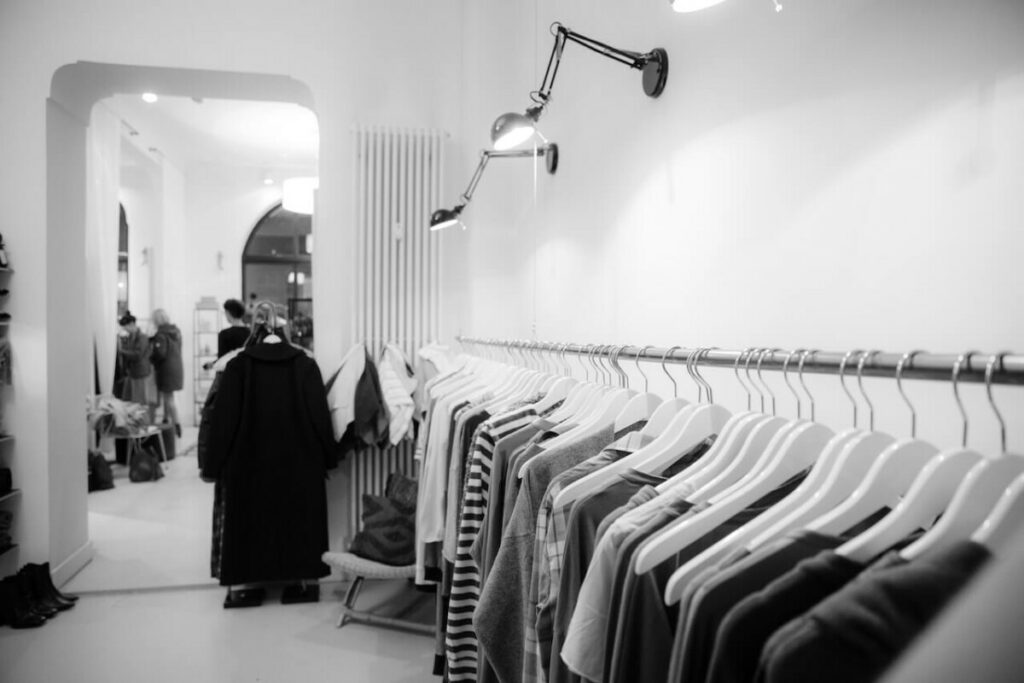
1. Lower Financial Risk Than Traditional Retail
One of the biggest advantages of opening a pop-up shop is reduced long-term financial exposure.
Traditional retail leases often require multi-year commitments, significant deposits, and ongoing overhead regardless of performance. A pop-up model changes that equation.
Because pop-ups operate for a defined, limited period, brands can:
- Avoid multi-year lease commitments
- Reduce upfront capital investment
- Scale duration based on performance
- Adjust location strategy more quickly
Many activations run for around two weeks, while others extend for several months depending on objectives. This flexibility allows businesses to align retail presence with demand rather than being locked into fixed timelines.
For brands exploring physical retail for the first time—or expanding into new markets—this reduction in long-term risk is often the primary driver.
2. Test New Markets Before Making Long-Term Commitments
Entering a new city or country is a strategic decision. A pop-up shop provides real-world validation before making that move permanent.
Temporary retail allows brands to evaluate:
- Local customer demand
- Foot traffic quality
- Neighborhood fit
- Seasonal buying patterns
- Competitive landscape
Major global cities such as New York, London, and Paris consistently attract brands launching temporary retail experiences. These markets offer high visibility and dense consumer traffic, making them ideal for testing.
Explore retail spaces in key cities:
By starting with a short-term activation, expansion becomes data-driven rather than speculative.
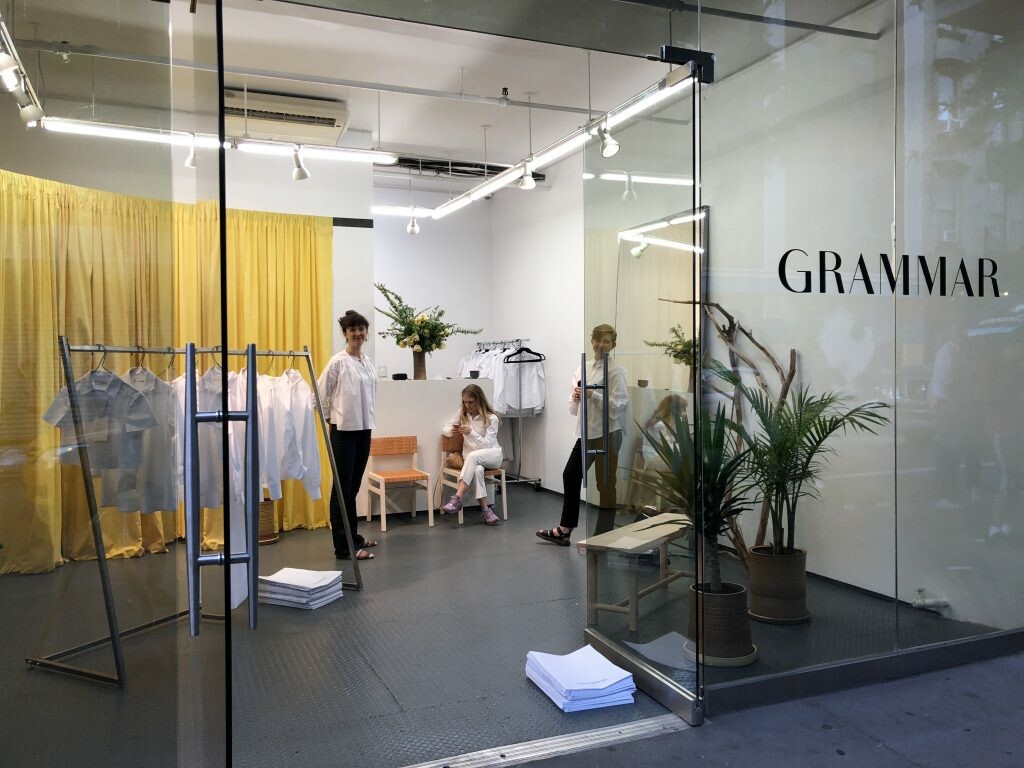
3. Generate Immediate Revenue While Building Long-Term Value
Pop-up shops are not only marketing tools—they are revenue-generating channels.
Physical retail can drive strong in-person conversion because customers can see, try, and experience products directly. The limited duration of a pop-up also creates urgency, which can accelerate purchasing decisions.
Key revenue advantages include:
- Higher likelihood of impulse purchases
- Opportunities for bundling and cross-selling
- Event-driven traffic spikes
- Faster path to break-even compared to long-term leases
Importantly, revenue is only part of the return. Pop-ups also contribute to brand awareness, customer acquisition, and future sales—both online and offline.
4. Increase Brand Visibility and Media Exposure
Pop-ups create moments. Unlike permanent stores, they are inherently time-sensitive, which generates attention.
Brands use pop-ups to:
- Launch new collections
- Activate during fashion weeks and cultural events
- Collaborate with creators or partners
- Host community gatherings
- Deliver immersive brand experiences
Because they are temporary, pop-ups often feel exclusive. This exclusivity encourages customers to visit while the opportunity exists, increasing social sharing and word-of-mouth visibility.
In competitive markets, that short burst of concentrated attention can be more impactful than a long-term but low-profile presence.
5. Strengthen Omnichannel Performance
Modern consumers rarely operate in a single channel. They discover brands online, visit stores in person, compare options digitally, and purchase across platforms.
A pop-up shop strengthens this ecosystem.
Physical presence can:
- Increase online searches within a specific geography
- Boost ecommerce traffic during activation periods
- Expand email capture and customer data
- Reinforce trust through face-to-face interaction
Rather than replacing digital strategy, temporary retail enhances it. Many brands observe improved online performance in regions where they activate physically, especially when marketing campaigns are coordinated across channels.
6. Experiment With Products, Collaborations, and Concepts
A pop-up shop offers a controlled environment for experimentation.
Because the duration is limited, brands can test:
- New product categories
- Limited-edition drops
- Capsule collections
- Co-branded collaborations
- Updated merchandising strategies
Unlike digital-only testing, in-person feedback is immediate. Teams can observe customer reactions, answer questions directly, and refine positioning in real time.
For brands
Ready to launch your pop-up?
Find and book your short-term retail space with Storefront.
Find a spaceThis makes pop-ups particularly valuable in industries where presentation and experience heavily influence purchasing decisions, such as fashion, beauty, lifestyle, and sportswear.
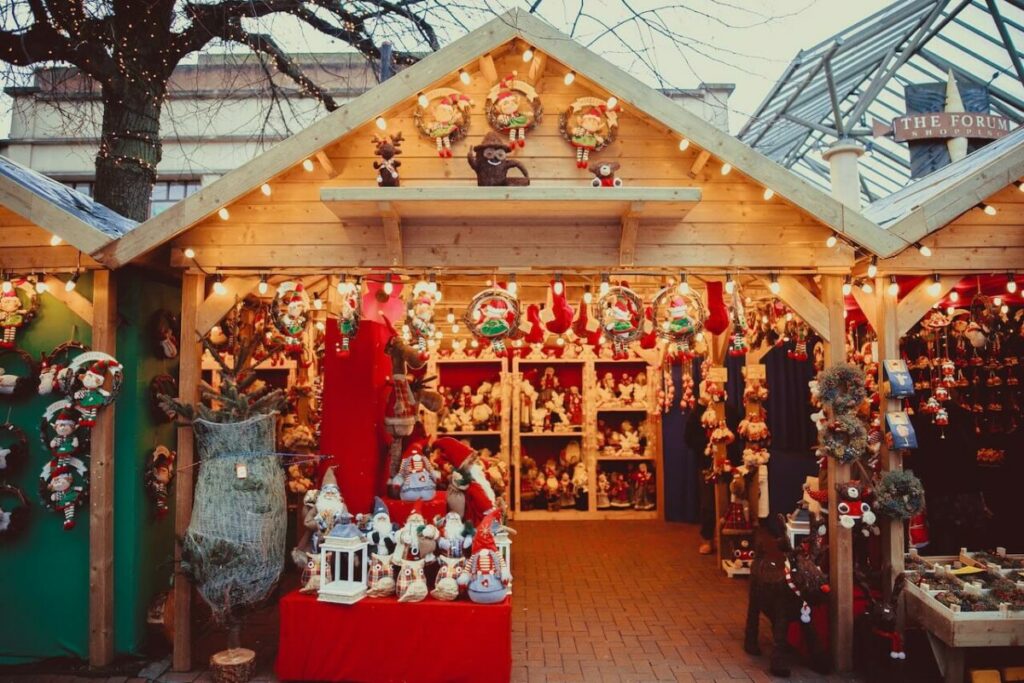
7. Align Retail Presence With Seasonal and Event-Based Demand
Consumer spending is not evenly distributed throughout the year. Pop-ups allow brands to activate precisely when demand peaks.
Temporary retail is frequently used during:
- Holiday shopping seasons
- Fashion weeks
- Art fairs and cultural festivals
- Back-to-school periods
- Product launch cycles
Instead of maintaining year-round overhead, brands can concentrate investment during high-return windows.
This improves capital efficiency and ensures retail presence aligns with real customer momentum.
8. Create Experiential Retail That Differentiates Your Brand
Permanent stores often prioritize operational consistency. Pop-ups, by contrast, are free to be bold.
Temporary spaces are frequently designed to:
- Immerse customers in a brand story
- Showcase limited-time installations
- Deliver interactive experiences
- Reinforce cultural positioning
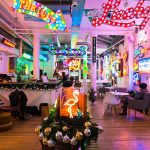
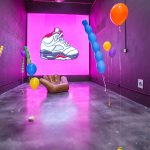
Experiential retail has become a defining factor in modern brand building. A well-executed pop-up can deliver memorable engagement that strengthens long-term loyalty.
Because expectations are different for temporary spaces, brands can experiment creatively without the pressure of long-term permanence.
The in-person experience is where differentiation happens. A strategic approach to pop-up store design ensures your brand story is communicated through layout, lighting, and merchandising — not just signage.
9. Build Momentum Toward Permanent Retail—If and When It Makes Sense
For some brands, pop-ups are standalone initiatives. For others, they are stepping stones.
A common pathway looks like this:
- Launch a short-term activation
- Analyze performance and customer data
- Repeat in the same or new market
- Extend duration if demand supports it
- Transition into longer-term retail when validated
Temporary retail provides insight before long-term commitment. It transforms permanent expansion from a leap into a structured progression.
Not every brand needs permanent storefronts—but those that do often start with temporary validation.
10. Operate With Greater Strategic Flexibility
Retail conditions change. Consumer behavior evolves. Real estate markets fluctuate.
Flexibility is increasingly valuable.
Pop-up shops allow brands to:
- Enter prime neighborhoods without long-term lock-in
- Adjust footprint based on performance
- Activate in multiple cities within one year
- Reduce exposure during uncertain periods
- Scale quickly when opportunities arise
Rather than replacing traditional retail, pop-ups complement it. They allow brands to treat physical space as a strategic lever instead of a fixed obligation.
In modern retail strategy, optionality has become an advantage.
Frequently Asked Questions
Are pop-up shops profitable?
When planned strategically, yes. Because commitments are short-term and overhead can be controlled, pop-ups can generate direct revenue while also contributing to broader marketing and brand objectives.
Why are pop-up shops successful?
They combine urgency, flexibility, and experiential retail. Customers are drawn to limited-time opportunities, and brands benefit from reduced long-term risk.
How long do pop-up shops typically last?
Durations vary. Some activations last a few days, others several weeks or months. The timeline depends on goals, location, and performance.
Who uses pop-up shops?
Pop-ups are used across industries, including fashion, beauty, sportswear, art, automotive, food and beverage, technology, and consumer goods. Both emerging brands and global companies use temporary retail to achieve specific objectives.
If you’re ready to move from strategy to execution, read: How to Start a Pop-Up Shop
For city-specific guidance:
- How to Start a Pop-Up Shop in Paris: The Complete Guide
- How to Open Your First Pop-Up Shop in New York
- How to Start a Pop-Up Shop in London: The Complete Guide
Ready to Launch Your Pop-Up Shop?
Whether you are testing a new market, launching a product, activating during a major event, or exploring physical retail for the first time, the right space makes the difference.
Storefront provides access to over 20,000 short-term retail spaces globally, with flexible booking durations and a secure platform built specifically for temporary retail.Start by browsing available spaces worldwide: Browse Pop-Up Spaces.
Looking for inspiration? Read our list of great pop-up shop ideas for your business.
For brands
Ready to launch your pop-up?
Find and book your short-term retail space with Storefront.
Find a space
Written by
Adrien Kerbrat is Chief Revenue Officer and co-founder of Storefront. With more than 10 years in commercial real estate, he is an expert on the French market and short-term retail across Europe. Based in Bordeaux and often in Paris, he writes on pop-up strategy, retail location, and the French retail landscape.
More from Adrien Kerbrat →