

Renting an art gallery for a pop-up exhibition can cost anywhere from a few thousand dollars to tens of thousands, depending on the city, location, size, and duration of your event.
For artists, curators, and organizers considering a short-term exhibition, understanding the true cost of renting gallery space is essential for setting realistic budgets and sales targets.
If you’re new to the process, start with our full guide on how to set up a pop-up art gallery. Below, we break down what you can expect to pay — and what factors influence pricing the most.
Average Cost to Rent an Art Gallery
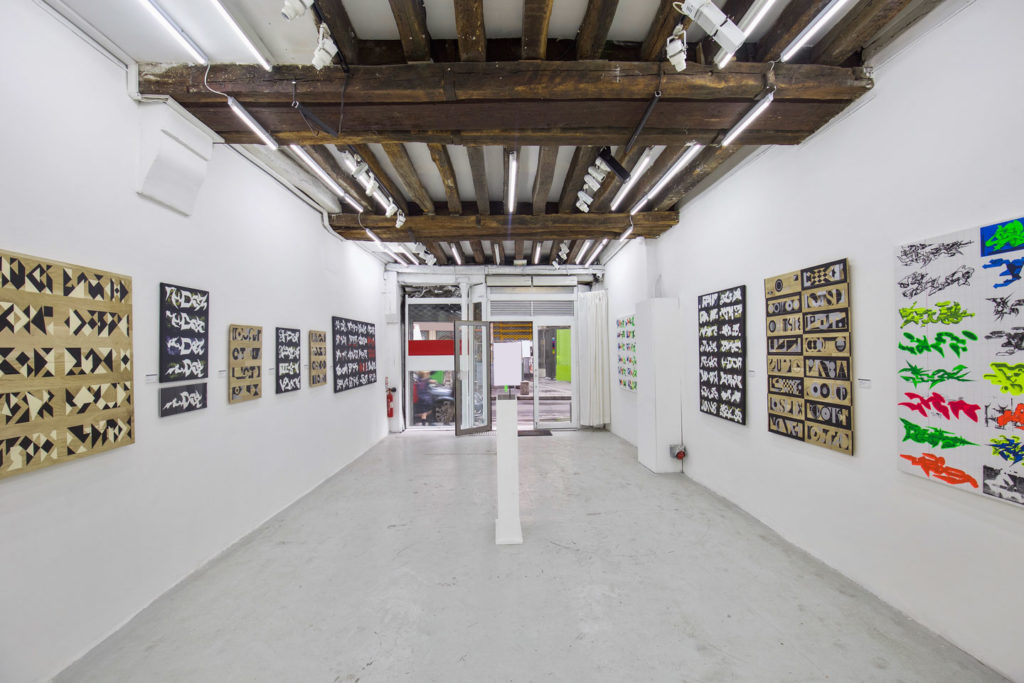
Gallery rental costs vary significantly by market.
In major art cities such as New York, London, or Paris, short-term gallery rentals can range from several thousand dollars per week in emerging neighborhoods to substantially higher rates in prime gallery districts.
Smaller cities or secondary neighborhoods often offer more accessible pricing, particularly for shorter activations such as weekend exhibitions.
However, rent is only one part of the total cost.
What Affects Art Gallery Rental Pricing?
Several factors influence how much you’ll pay to rent gallery space.
1. Location
Location is typically the biggest pricing driver.
A ground-floor space in SoHo or Chelsea in New York will cost more than a second-floor gallery outside the primary art corridor. Proximity to established art districts, cultural institutions, and public transportation increases value.
You can compare available gallery spaces across cities such as New York, London, Paris, Miami, and Milan to understand how neighborhood selection impacts pricing. Studio space is consistently cheaper than gallery space for the same floor area: compare art and studio space in Miami against the gallery listings above.
2. Size of the Space
Square footage directly impacts cost.
Larger venues suitable for art fairs or group shows will command higher rates than intimate project spaces. However, bigger is not always better. As seen in curated events like Superfine!, thoughtfully scaled venues often create stronger engagement than oversized convention-style spaces. You can read more in our case study on how Superfine! uses temporary gallery space.
3. Duration
Shorter exhibitions reduce rental exposure.
A weekend show or five-day exhibition can significantly lower total rental costs compared to a month-long booking. Many artists choose condensed activations to create urgency while managing expenses.
Our guide on creating a low-budget pop-up art gallery explores how shorter durations can maximize return on investment.
4. Season and Timing
High-demand periods such as major art weeks, art fairs, and auction seasons can increase rental pricing.
Conversely, off-peak seasons may provide more negotiating flexibility with landlords.
Additional Costs Beyond Rent
Renting the space is only the starting point. You should also budget for:
- Insurance. Most venues require liability coverage, and you may need additional coverage for the artwork itself.
- Installation. This includes lighting adjustments, hardware, display materials, and potential wall preparation.
- Marketing. Social media advertising, PR outreach, opening event costs, and printed materials.
- Staffing. Gallery attendants or event staff may be necessary depending on venue requirements.
- Understanding these additional expenses is critical. Many first-time exhibitors underestimate total costs and overestimate sales potential.
If you’re evaluating whether a temporary exhibition makes strategic sense, our article on why artists are choosing pop-up galleries over traditional exhibitions explores how shorter exhibitions often generate concentrated engagement and sales momentum.
How to Reduce Gallery Rental Costs
There are practical ways to control expenses without compromising professionalism.
Choosing emerging neighborhoods instead of prime art corridors can significantly reduce rental rates.
Limiting exhibition duration and focusing programming around a strong opening event increases impact while lowering total rent.
Collaborating with other artists to share costs can reduce financial risk.
Selecting spaces that already align with your aesthetic reduces build-out expenses.
For a step-by-step breakdown of planning and cost control, revisit our complete guide on how to set up a pop-up art gallery.
Real-World Examples of Pop-Up Gallery Strategy
Artists such as Julia Ryan have used short-term gallery rentals to launch new collections while maintaining full creative control. Her case study shows how a focused, week-long exhibition can generate buzz and visibility without long-term commitment. Read more about Julia Ryan’s pop-up exhibition strategy.
Similarly, large-scale curated events like Superfine! demonstrate how temporary spaces can support scalable art fair models across cities. Read more.
These examples highlight an important point: the cost of renting a gallery should be evaluated in the context of strategic goals, not just square footage.
Is Renting an Art Gallery Worth the Cost?
For many artists and organizers, the answer is yes — when planned strategically.
Short-term gallery rentals allow you to test markets, build collector relationships, and create urgency without committing to long-term leases.
Compared to the overhead of operating a permanent gallery, pop-up exhibitions offer flexibility and lower financial risk.
To explore available options and compare pricing across markets, browse curated art gallery exhibition spaces for rent or search listings directly in cities such as New York, London, Paris, Miami, and Milan.
If you’re looking for more real-world examples of artists and brands using temporary spaces successfully, explore our full collection of Success Stories.
Understanding the cost of renting an art gallery is not just about numbers. It’s about aligning budget, strategy, and creative vision to make your exhibition both impactful and sustainable.

Written by
Nicholas Roberts-Moore is Chief Marketing Officer at Storefront, based in London. He specializes in AI-powered marketing and the UK retail and real estate markets, helping brands turn short-term retail into measurable growth. A former journalist, he writes on pop-up strategy, retail trends, and the future of physical retail.
More from Nicholas Roberts-Moore →Related posts:
 How to Set Up a Pop-Up Art Gallery: 8 Steps to Renting and Launching Your Exhibition
 Why Artists Are Choosing Pop-Up Galleries Over Traditional Exhibitions
 How to Create a Low-Budget Pop-Up Art Gallery (Without Compromising Impact)
 How Artist Julia Ryan Used a Pop-Up Gallery to Launch a New Collection
 How Superfine! Art Fair Uses Temporary Gallery Space to Reinvent the Art Market