echnology is one of the most powerful tools available to pop-up retailers, but its value lies in how it is used. The most successful activations do not rely on technology for its own sake. They use it to create better experiences, reduce friction, and make the brand more memorable.
If you are looking for a full breakdown of systems, tools, and infrastructure, see this guide to tech for pop-up shops. This article focuses on how that technology is applied in real-world pop-up environments.
1. Personalising the In-Store Experience
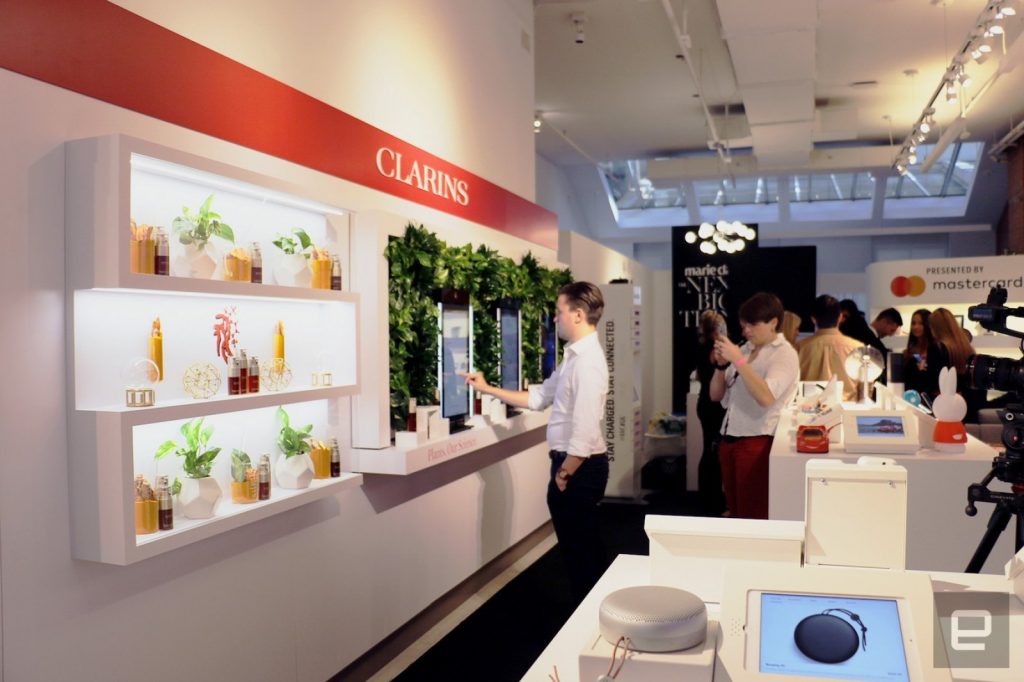
One of the most effective uses of technology in pop-ups is personalisation. Instead of offering a one-size-fits-all experience, brands can tailor interactions to each customer in real time.
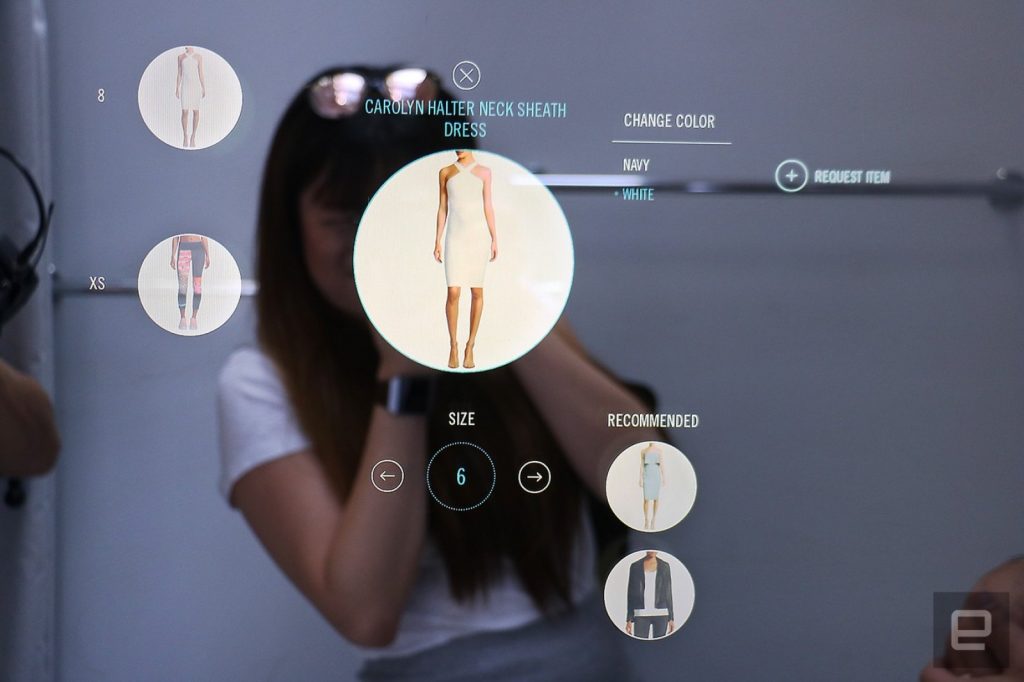
Smart mirrors and virtual try-on tools are a strong example. These systems allow customers to see how products look, receive recommendations, and explore options without needing assistance. They combine augmented reality, data, and product catalogues to create a more engaging and efficient experience.
In a pop-up setting, this type of interaction does more than improve convenience. It creates a moment that feels unique to the customer, which increases both engagement and likelihood to purchase.
2. Removing Friction from the Buying Journey
Pop-ups operate in fast-paced environments where customer attention is limited. Reducing friction is critical.
Mobile POS systems, contactless payments, and integrated inventory tools allow customers to complete purchases quickly and easily. Instead of queuing or searching for assistance, they can move through the store seamlessly.
This shift reflects a broader trend in retail, where technology is used to simplify the buying process and remove unnecessary steps. In short-term retail, this efficiency has a direct impact on conversion rates.
3. Turning the Store into an Interactive Environment
Technology allows pop-ups to go beyond static displays and become fully interactive environments.
Digital screens, touchpoints, and installations can transform how customers engage with a space. Storefront windows can become browsing interfaces, while in-store displays can respond dynamically to customer behaviour.
These experiences are not just visually engaging. They encourage participation, increase dwell time, and make the store more shareable. This is a key driver of organic reach, particularly on social platforms.
4. Using Data to Understand Customer Behaviour
One of the biggest advantages of integrating technology into a pop-up is the ability to capture data.
Tools such as RFID, sensors, and analytics platforms allow brands to track how customers move through the space, which products they interact with, and where they spend the most time. Smart pop-up environments can even measure dwell time and product engagement in real time.
This turns the pop-up into a testing environment. Instead of relying on assumptions, brands can make decisions based on actual behaviour. Each activation becomes an opportunity to refine strategy and improve future performance.
5. Extending the Experience Beyond the Physical Store
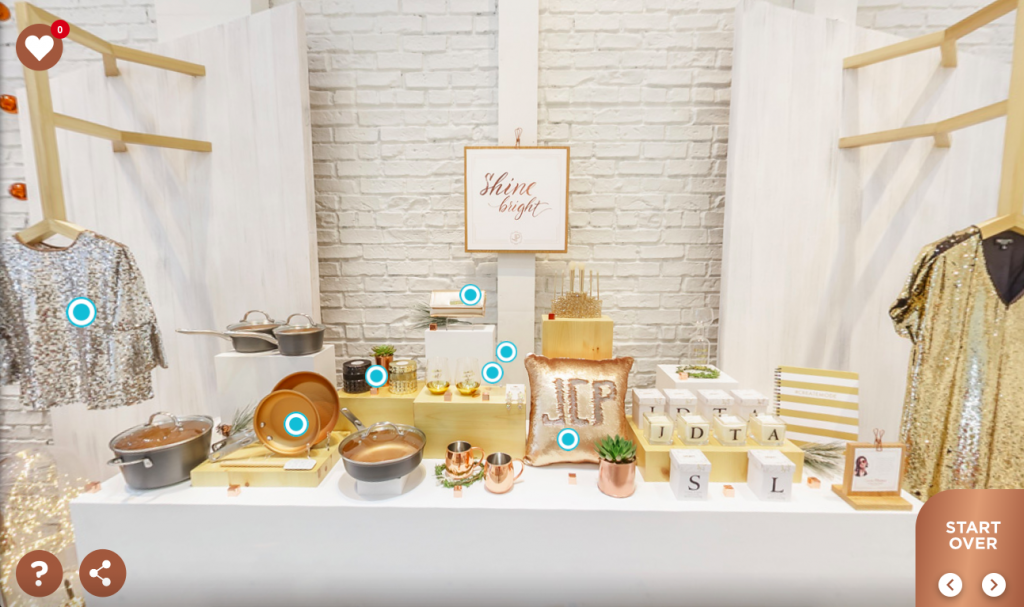
Pop-ups are temporary by nature, but technology allows their impact to extend far beyond their physical footprint.
Virtual experiences, live streaming, and digital content can bring the store to a wider audience. Customers who cannot visit in person can still engage with the brand, explore products, and participate in the experience.
This hybrid approach is increasingly important. It allows brands to combine the immediacy of physical retail with the reach of digital channels.
How These Use Cases Fit Into Your Pop-Up Strategy
These examples all point to a broader shift in retail. Technology is no longer just operational. It is experiential, data-driven, and central to how brands connect with customers.
However, the key is not to implement everything at once. The most effective pop-ups focus on one or two use cases that align with their objectives, whether that is driving sales, increasing awareness, or capturing data.
For a complete overview of how to choose and implement the right systems, refer to the main guide on pop-up shop technology.
Final Thoughts
Technology has the power to transform a pop-up store from a temporary retail space into a high-performing brand experience.
The brands that succeed are those that use it intentionally. They focus on enhancing the customer journey, creating meaningful interactions, and learning from every activation.
When used correctly, technology does not just support your pop-up. It defines how customers experience it.