
A pop-up restaurant is a temporary restaurant concept that operates in a short-term space for a limited period of time. Unlike traditional restaurants, pop-ups are designed to be flexible, experimental, and often tied to a specific concept, event, or location.
They can take many forms, from chef-led tasting menus and branded activations to casual pop-up cafes and pop-up bars. What they all have in common is the use of short-term spaces to create unique, time-limited food experiences.
What defines a pop-up restaurant
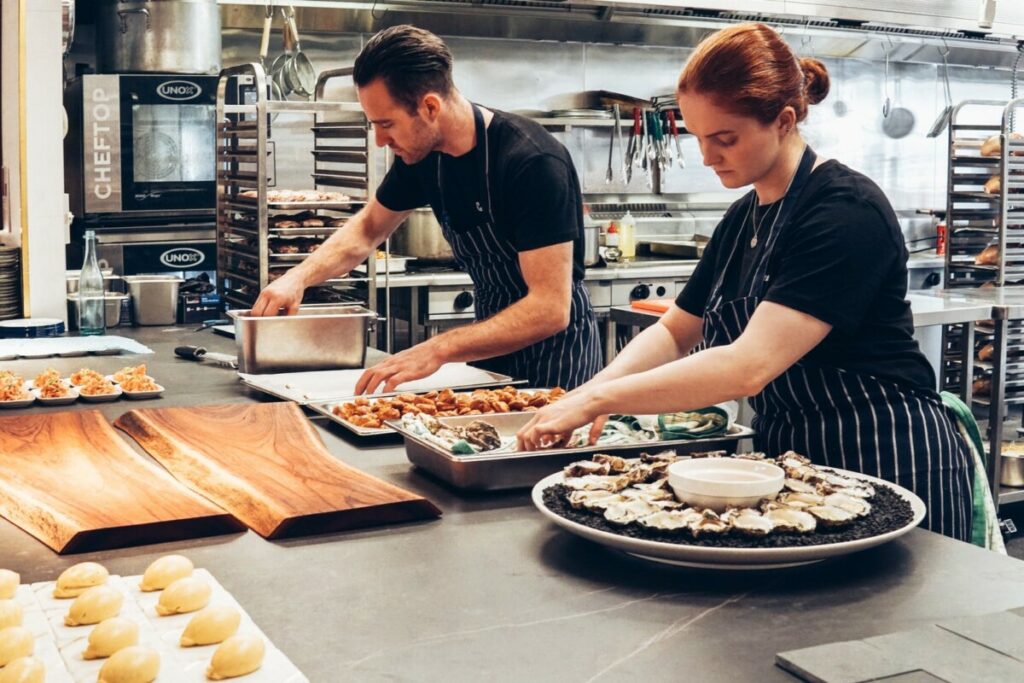
At its core, a pop-up restaurant is defined by three key characteristics.
It is temporary. Pop-ups can run for a single night, a weekend, or several weeks, but they are not permanent venues.
It is flexible. Operators can test different menus, formats, and locations without long-term commitments.
It is experience-driven. Many pop-ups focus on creating a unique atmosphere or concept that attracts customers beyond just the food itself.
This flexibility is why many brands and chefs use pop-ups to test ideas before scaling into permanent locations.
Types of pop-up restaurants
Pop-up restaurants are not limited to one format. They can be adapted to different concepts and audiences depending on the goal.
Common types include:
- Fine dining pop-ups with limited seating and curated menus
- Pop-up cafes focused on coffee, pastries, or daytime experiences
- Pop-up bars offering cocktails or themed nightlife concepts
- Brand activations tied to product launches or campaigns
- Collaborative events with guest chefs or partners
Each format requires a different type of space, from fully equipped kitchens to more flexible event venues.
If you are exploring spaces for your concept, you can browse pop up restaurant, bar and cafe spaces for rent to see available venues designed for temporary food experiences.
Why brands and chefs use pop-up restaurants
Pop-up restaurants are popular because they reduce risk while increasing flexibility. They allow operators to test new menus, enter new markets, build brand awareness, create urgency around launches, and collaborate with other brands or chefs.
This model is widely used by both independent chefs and established brands looking to experiment with new ideas.
For brands
Ready to launch your pop-up?
Find and book your short-term retail space with Storefront.
Find a spaceWhere pop-up restaurants take place
One of the defining features of pop-ups is that they can operate in a wide range of locations, including retail spaces, storefronts, event venues, galleries, existing restaurants during off-hours, and even outdoor or unconventional spaces.
Many of these spaces are available as short-term rentals, making it easier to launch without long-term commitments.
In major cities, there is strong demand for flexible food venues. You can explore:
- temporary restaurant spaces in London
- short term restaurant rentals in New York
- pop up food spaces in Los Angeles
These pages show available spaces that can be rented for short-term food concepts. For Los Angeles specifically, our city guide covers which districts trade in the evening and which do not.
Pop-up restaurants vs traditional restaurants
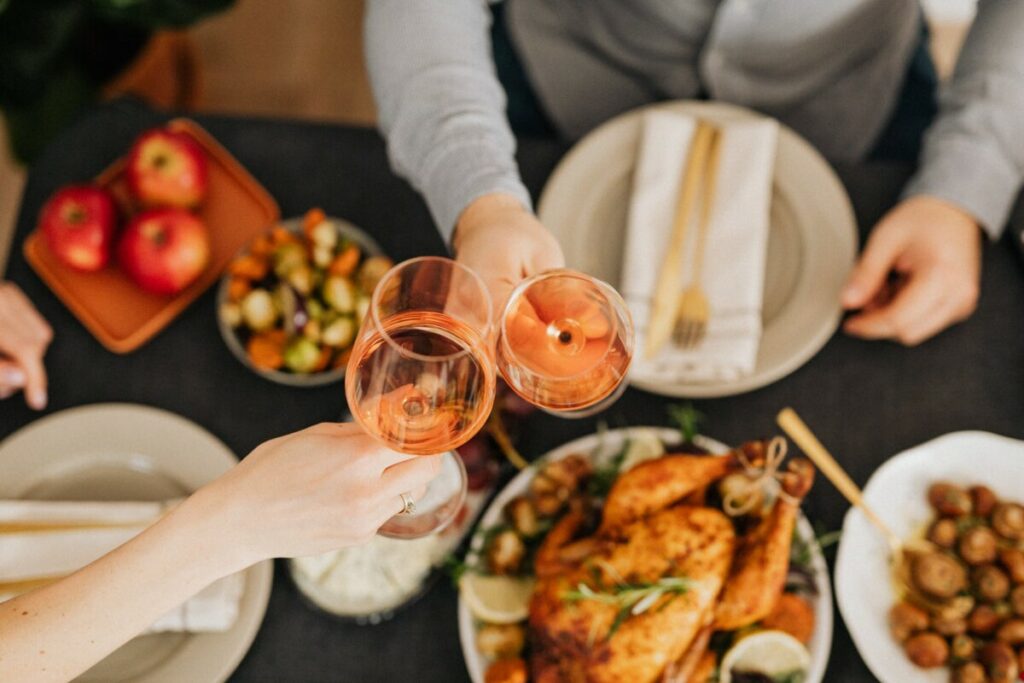
The main difference between a pop-up restaurant and a traditional restaurant is the level of commitment and flexibility.
A traditional restaurant typically requires a long-term lease, significant upfront investment, and a fixed concept and location. A pop-up restaurant, on the other hand, allows you to operate on a short-term basis, reduce upfront costs, adapt your concept quickly, and test different locations and audiences.
This makes pop-ups an attractive option for experimentation and growth.
How pop-up restaurants work in practice
Running a pop-up restaurant typically involves defining a concept, securing a short-term space, handling permits, and promoting the experience. Because each activation is temporary, operators focus on efficiency, flexibility, and creating a strong customer experience within a limited timeframe.
If you are looking to launch your own concept, this guide on how to open a pop-up restaurant covers the full process, including setup, costs, and execution.
A flexible way to launch food concepts
Pop-up restaurants have become a key part of the modern food and retail landscape. They give chefs, brands, and entrepreneurs a way to launch quickly, test ideas, and create memorable experiences without the constraints of a permanent venue.
If you are looking to bring a concept to life, starting with a short-term space can help you move faster and reduce risk while reaching your audience in high-demand locations.

Written by
Nicholas Roberts-Moore is Chief Marketing Officer at Storefront, based in London. He specializes in AI-powered marketing and the UK retail and real estate markets, helping brands turn short-term retail into measurable growth. A former journalist, he writes on pop-up strategy, retail trends, and the future of physical retail.
More from Nicholas Roberts-Moore →Related posts:
 Pop-Up Shop Marketing: How to Promote and Grow a Successful Pop Up
 The Chinese Retail Market: Pop-up Stores and Massclusivity
 4 Reasons You Should Recommend a Pop-Up Store to Your Clients
 3 Retail Tech Trends Your Pop-Up Shop Needs This Holiday Season
 What Is Phygital Retail? Meaning, Examples and How It Works