
Opening a pop-up restaurant is one of the fastest ways to test a food concept, build a brand, or generate revenue without committing to a long-term lease. Whether you are launching a pop-up cafe, bar, or full dining experience, the model offers flexibility, lower upfront costs, and access to high-demand locations.
This guide covers the key steps to launching a successful pop-up restaurant, from concept and location to permits, costs, and promotion.
If you are new to the concept, you can start with this guide on what a pop-up restaurant is before diving into the setup process.
Define your concept and format
A strong concept is the foundation of any successful pop-up. Because these activations are temporary, they need to be focused, memorable, and easy to execute.
Decide what type of experience you want to create. This could be a tasting menu, a themed dining event, a casual pop-up cafe, or a pop-up bar. Your format will influence your menu, staffing, equipment, and space requirements.
If you are new to pop-ups, it can help to understand the broader model. This guide on how to open a pop up shop outlines the core principles, which can be adapted to food concepts.
Choose the right location
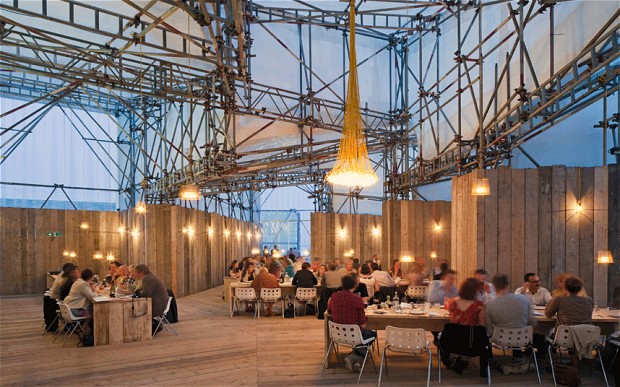
Location plays a critical role in the success of a pop-up restaurant. The right space should align with your concept and make it easy for your target audience to discover and access your experience.
You should evaluate:
- Foot traffic and visibility
- Proximity to your target customers
- Existing infrastructure such as kitchens, water, and ventilation
- Layout, seating capacity, and flow
- Local regulations tied to the space
Short-term rentals allow you to access prime areas without long-term commitments. You can explore pop up restaurant, bar and cafe spaces for rent to find venues that are already suited to food concepts.
If you are targeting specific cities, you can also browse:
- temporary restaurant spaces in London
- short term restaurant rentals in New York
- pop up food spaces in Los Angeles
These pages give a live view of available spaces and pricing across key markets.
Understand permits, licenses, and regulations
Operating a pop-up restaurant requires compliance with local laws and health standards. This is often the most complex part of launching a food concept.
Depending on your location, you may need:
- Temporary food service permits
- Food safety certification
- Health inspections
- Alcohol licenses if you plan to serve drinks
- Public liability insurance
Requirements vary by city, so it is important to check early and plan accordingly. For a deeper overview, this guide on permits and licenses for pop ups explains the key considerations.
If you are specifically planning to serve food or beverages in a temporary space, this resource on serving food and drink at a pop up provides additional guidance.
For brands
Ready to launch your pop-up?
Find and book your short-term retail space with Storefront.
Find a spacePlan your equipment and setup
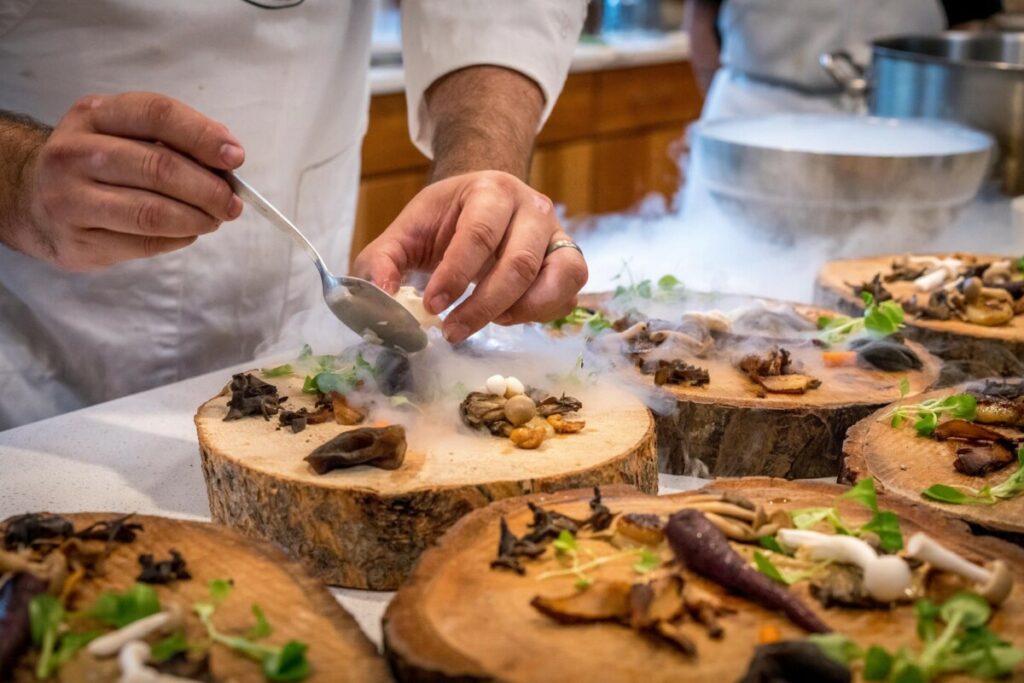
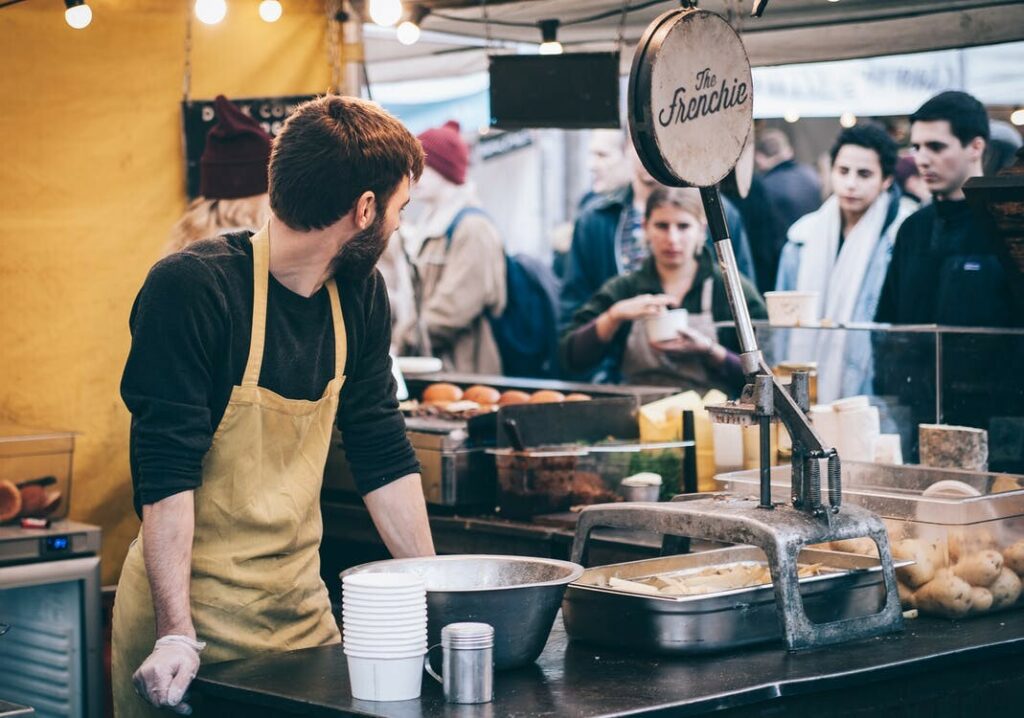
Your operational setup will depend on both your concept and the space you choose.
There are three main approaches:
- Renting a fully equipped restaurant or kitchen space
- Bringing in temporary equipment
- Partnering with a venue that already has infrastructure in place
For most pop-up restaurants, renting a space with existing kitchen facilities is the most efficient option. It reduces setup time, lowers costs, and simplifies compliance with regulations.
You should also think about customer flow, seating, storage, and service areas to ensure smooth operations.
Estimate your costs
Pop-up restaurants are typically more cost-effective than permanent venues, but costs can vary significantly depending on your concept, location, and duration.
Key cost categories include:
- Space rental
- Equipment and setup
- Staff
- Ingredients and inventory
- Permits and insurance
- Marketing
Your largest expense will often be the space itself. Choosing a short-term rental allows you to control risk and scale gradually.
For a structured approach to budgeting, this guide on the cost of a pop up shop provides a useful framework that can be adapted to food concepts.
Hire staff or keep it lean
Your staffing needs will depend on the size and complexity of your pop-up.
Smaller activations can often run with a lean team or a founder-led approach. Larger pop-up restaurants may require chefs, front-of-house staff, and bar staff.
Some operators reduce costs by collaborating with partners, guest chefs, or existing hospitality teams. This can also help create a unique and time-limited experience that attracts more visitors.
Promote your pop-up restaurant
Because pop-ups are temporary, marketing needs to be fast and effective. You need to build awareness quickly and create a sense of urgency.
Effective channels include:
- Social media campaigns and influencer partnerships
- Email marketing
- PR and local media coverage
- Brand collaborations and community partnerships
If you want to go deeper on promotion, this guide on pop up marketing strategies outlines proven ways to attract customers and drive foot traffic.
Launch, test, and refine
A pop-up restaurant is not just a one-time event. It is an opportunity to test your concept in a real-world environment.
Use your pop-up to:
- Validate your menu and pricing
- Understand customer behavior
- Refine your operations
- Build an audience for future activations
If your concept performs well, you can extend your run, expand into new locations, or transition into a longer-term space.
Start with the right space
Finding the right venue is one of the most important steps in launching a successful pop-up restaurant. A well-matched space can reduce costs, simplify operations, and improve customer experience.
You can explore available pop up restaurant, bar and cafe spaces for rent to find locations that fit your concept and budget.
For brands
Ready to launch your pop-up?
Find and book your short-term retail space with Storefront.
Find a space
Written by
Adrien Kerbrat is Chief Revenue Officer and co-founder of Storefront. With more than 10 years in commercial real estate, he is an expert on the French market and short-term retail across Europe. Based in Bordeaux and often in Paris, he writes on pop-up strategy, retail location, and the French retail landscape.
More from Adrien Kerbrat →Related posts:
 What is a pop-up shop? Everything you need to know to try short-term retail
 How to Set Up a Pop-Up Art Gallery: 8 Steps to Renting and Launching Your Exhibition
 Offline Marketing Ideas for Pop-Up Shops
 The 5 Types of Pop-Up Shops (With Examples) & How to Choose the Right One
 Automotive Pop-Up Shops: How Car Brands Use Temporary Showrooms to Launch, Test and Sell