

The East Village runs on an evening and late-night economy. Bars, restaurants and small independents line the numbered streets and the avenues, daytime retail is thin, and the district’s strongest hours are ones most shops are closed for. That single fact should decide whether you take space here.
It is a low-rise neighborhood of small ground-floor units with a long association with independent music and vintage retail, and it is one of the more affordable downtown addresses. See what is available across the East Village.
What the space is actually like
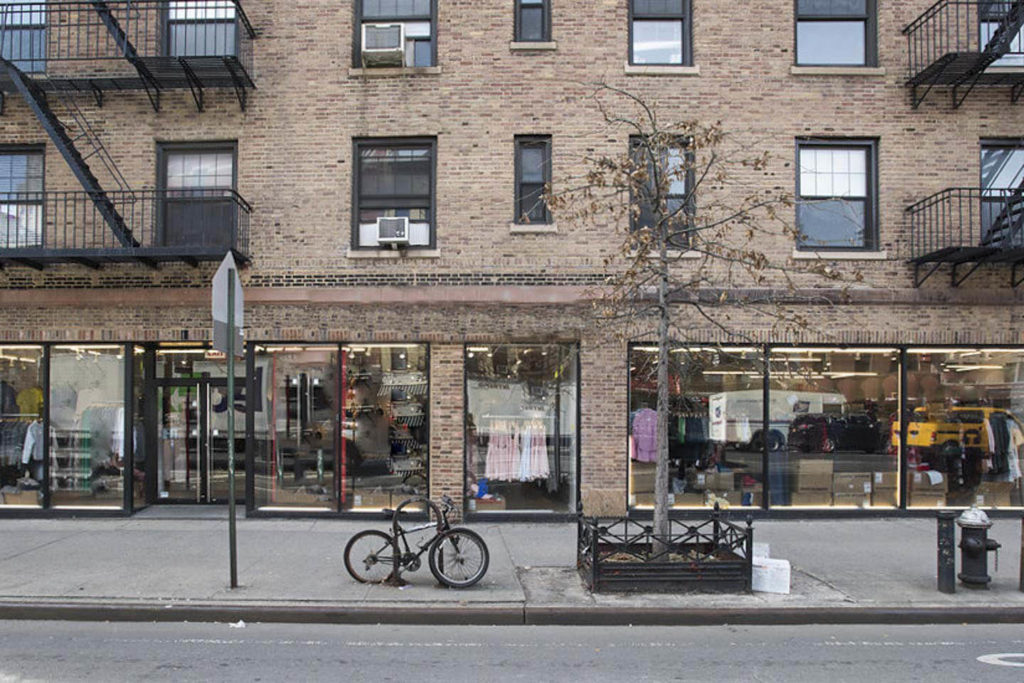
Units are small tenement ground floors with apartments above, and many sit half a level up or down from the sidewalk. That affects both accessibility and how visible your window is to someone walking past, so it is worth seeing in person rather than on a floor plan.
Rents sit below the West Village and the Lower East Side, and availability is comparatively good for downtown Manhattan. That combination is rare enough downtown to be the main commercial reason to look here. The constraint is size: these are single-room ground floors, and anything needing depth, storage or a large frontage is in the wrong district.
See retail and pop-up space in the East Village.
The streets
St Marks Place
Between Third Avenue and Avenue A, and the district’s best-known street. A dense two-block run of small shops, tattoo studios, restaurants and bars stacked in basements and upper floors as well as at street level. It carries the most footfall in the neighborhood and the most competition for attention.
First and Second Avenues
The district’s main north-south retail, longer and steadier runs than the cross-streets, with restaurants at ground level and residential above throughout. If you want consistent trade rather than a destination, the avenues are where it is.
East 7th and East 9th Streets
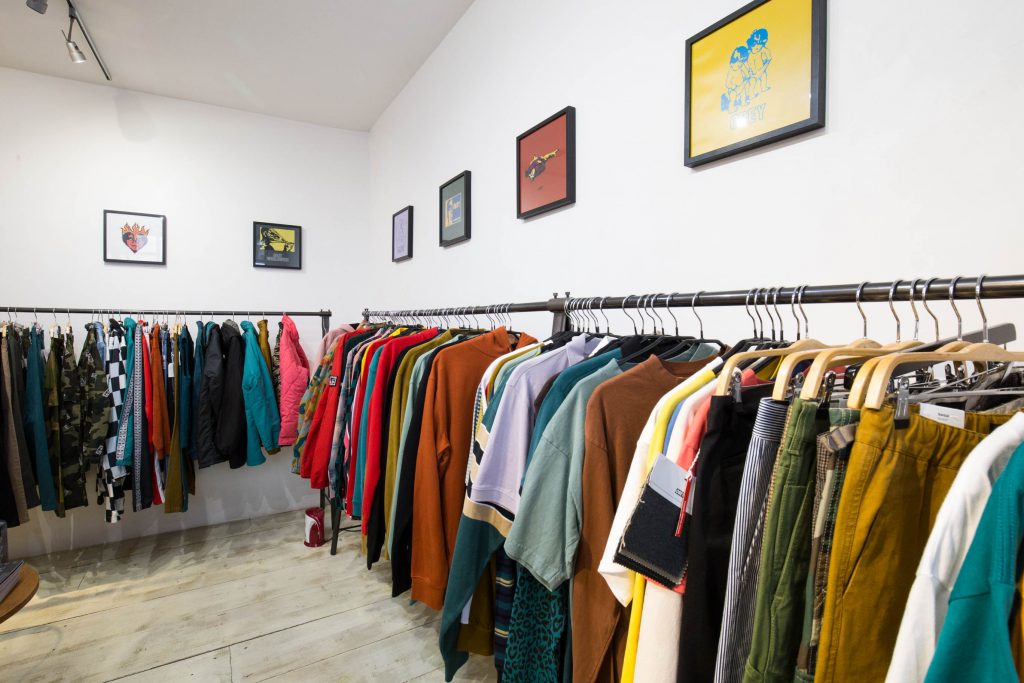
Where the district’s concentration of vintage, record and independent designer stores sits, in single-room ground floors. Quieter than the avenues, and the part of the East Village brands usually mean when they say they want to be in the East Village.
Astor Place and Cooper Square
The western gateway to the district: a wide open junction with a large university presence and the subway entrance most visitors arrive through. Astor Place and St Marks Place together carry the densest run of small independent retail in the neighborhood.
Alphabet City
East of the numbered avenues, Alphabet City is the quietest part of the East Village, residential in character with independent, neighborhood-facing retail. Avenue A and Tompkins Square Park anchor it; Avenues B and C are the quietest commercial streets, with bars, galleries and studios rather than destination retail.
It has no subway station inside the neighborhood itself. The nearest sit on its western edge, and that distance is why rents and footfall both sit below the rest of the East Village, and why independent operators and studios have stayed there when they have been priced out elsewhere. If you are bringing your own audience rather than catching one, that is an opportunity rather than a problem. See space in Alphabet City.
Who this district suits, and who it does not
The East Village suits young, independent and experimental formats with an evening or weekend focus. It has a low tolerance for anything that reads corporate, and that is not a style preference, it is the commercial reality: the audience chose the neighborhood for the opposite of polish, and a fit-out that looks like a national rollout will be read as one.
- Good fit. An independent label, a vintage or record concept, a food or drink launch, a brand with a genuine subculture attachment, anything trading evenings and weekends.
- Poor fit. A daytime shop, a format needing depth or storage, a brand whose presentation depends on looking established, anything requiring a large frontage.
Across New York the split is consistent: global flagships take Fifth Avenue, Madison Avenue and SoHo; emerging and independent labels take the Lower East Side, Nolita and the East Village; and wholesale showrooms sit in the Garment District.
For an evening format specifically, see event space in the East Village. The district also lists art and gallery space and showrooms.
Getting there
The East Village is served by the First Avenue, 14th Street-Union Square, Second Avenue, Third Avenue and Astor Place subway stations. The busiest of them is First Avenue, among the fifty busiest in Manhattan by annual ridership, which is a useful proxy for the through-traffic a ground-floor unit near it can expect.
Most visitors arrive through Astor Place at the western end and walk east, which is worth knowing when you are choosing between a unit on the avenues and one on a cross-street.
Common questions
Is the East Village good for a pop-up shop?
For an independent or experimental format trading evenings and weekends, it is one of the best downtown options and one of the cheapest. For a conventional daytime shop it is weak, because the district’s strongest hours are after most shops close.
How much cheaper is the East Village than the Lower East Side?
Rents sit below both the West Village and the Lower East Side, and availability is comparatively good for downtown Manhattan. Alphabet City sits below the rest of the East Village again, largely because it has no subway station of its own.
Where is the shopping in the East Village?
St Marks Place for density and footfall, First and Second Avenues for steadier runs, and East 7th and East 9th Streets for the vintage, record and independent designer stores. Alphabet City is neighborhood retail rather than shopping.
What is Alphabet City?
The part of the East Village east of the numbered avenues, where the avenues are lettered A through D. It is quieter and more residential, anchored by Avenue A and Tompkins Square Park, with no subway station inside it.
Will a polished brand work in the East Village?
Handle it carefully. The district has a low tolerance for anything that reads corporate, and the audience is there for the opposite of polish. Brands that succeed here either genuinely belong or adapt their presentation to the street rather than importing a template.
Where to look next
Next door: the Lower East Side guide for the district immediately south, and the Nolita, NoHo and Bowery guide for the small-unit districts west across the Bowery. Both trade on a similar audience with different stock.
If you are planning the project rather than the district, start with our guide to opening a pop-up shop in New York, or compare the city in our ranking of the best New York neighborhoods for a pop-up shop. Otherwise go straight to space in the East Village or short-term retail space across New York.

Written by
Adrien Kerbrat is Chief Revenue Officer and co-founder of Storefront. With more than 10 years in commercial real estate, he is an expert on the French market and short-term retail across Europe. Based in Bordeaux and often in Paris, he writes on pop-up strategy, retail location, and the French retail landscape.
More from Adrien Kerbrat →Related posts:
 SoHo Shopping Guide: The Streets, the Stores and Taking Space in New York
 Nolita NYC Guide: Shopping, Streets and Short-Term Space
 Chelsea London Area Guide: The Complete Chelsea Shopping Guide for Brands and Pop-Up Shops
 Hollywood Neighborhood Guide: Pop-Up Shops, Event Spaces, and Showrooms in Los Angeles
 The Ultimate Guide to Launching a Successful Pop-Up Shop in Dubai