The marketing plan is one of the most important elements of a successful pop-up shop. Because pop-up stores operate for a limited time, every day matters. Without a clear strategy to generate awareness, attract visitors and maintain momentum, even a well-designed pop-up can struggle to perform.
This guide explains how to market a pop up shop effectively, from pre-launch promotion to post-event growth. A strong pop up shop marketing strategy combines digital promotion, physical experiences and local activation to drive footfall and engagement.
What is pop-up shop marketing?
Pop-up shop marketing refers to the strategies used to promote a temporary retail space before, during and after it opens. Unlike traditional retail, pop-up marketing is built around urgency, limited availability and experiential engagement.
A strong pop up shop marketing strategy combines digital promotion, physical experiences and local activation.
If you are new to the concept, you can read more in this explanation of what a pop-up shop is.
Why marketing is critical for pop-up success
Pop-up shops rely heavily on visibility and timing. Because they exist for a short period, there is no time to build foot traffic gradually. Marketing must create immediate awareness and drive people to visit before the opportunity disappears.
A strong pop up shop marketing strategy helps you generate buzz before opening, attract consistent visitors, create shareable experiences and convert foot traffic into long-term customers.
How to promote a pop-up shop
Promoting a pop-up shop requires a focused and time-sensitive approach. Because your store is temporary, your marketing needs to create immediate awareness and encourage people to visit quickly.
A successful promotion strategy combines multiple channels. Social media builds anticipation and shares real-time updates, while influencer collaborations extend your reach to new audiences. Local marketing ensures visibility within the surrounding area, and press coverage or events help position your pop-up as a must-visit experience.
The most effective approach is to plan your promotion across the full lifecycle of your pop-up, from pre-launch buzz to post-event engagement.
How to market a pop-up shop
A successful pop up shop marketing strategy follows a clear lifecycle.
Pre-launch marketing
Marketing should begin as soon as you secure your space. The goal is to build anticipation and create urgency.
Use social media to tease your concept, share behind-the-scenes content and introduce what customers can expect. Press outreach to local publications and city guides can help generate early visibility, while influencer previews can position your pop-up as an experience rather than just a store.
Launch marketing
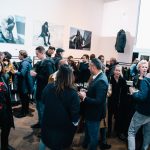
Your opening should feel like an event, not just a store launch.
Hosting a launch event, press preview or influencer activation helps generate immediate foot traffic and content. For example, gardening retailer Truffaut used a pop-up in Le Marais to reach a new urban audience, combining a well-timed launch event with a high-footfall location to drive visibility and engagement.
Pop-up shops are frequently launched in major cities such as New York, London and Paris, where demand for experiential retail is highest.
During the pop-up
Maintaining momentum is essential. Continue to promote your pop-up through events, collaborations and fresh content.
You can host workshops, release limited products or introduce new experiences throughout the duration of your store. Kodak’s experiential pop-up in London is a strong example, combining product demos, workshops and cultural engagement to keep visitors returning and sharing content.
The goal is to keep your pop-up dynamic and give people a reason to visit throughout its lifecycle.
Post-pop-up marketing
Marketing does not end when the pop-up closes.
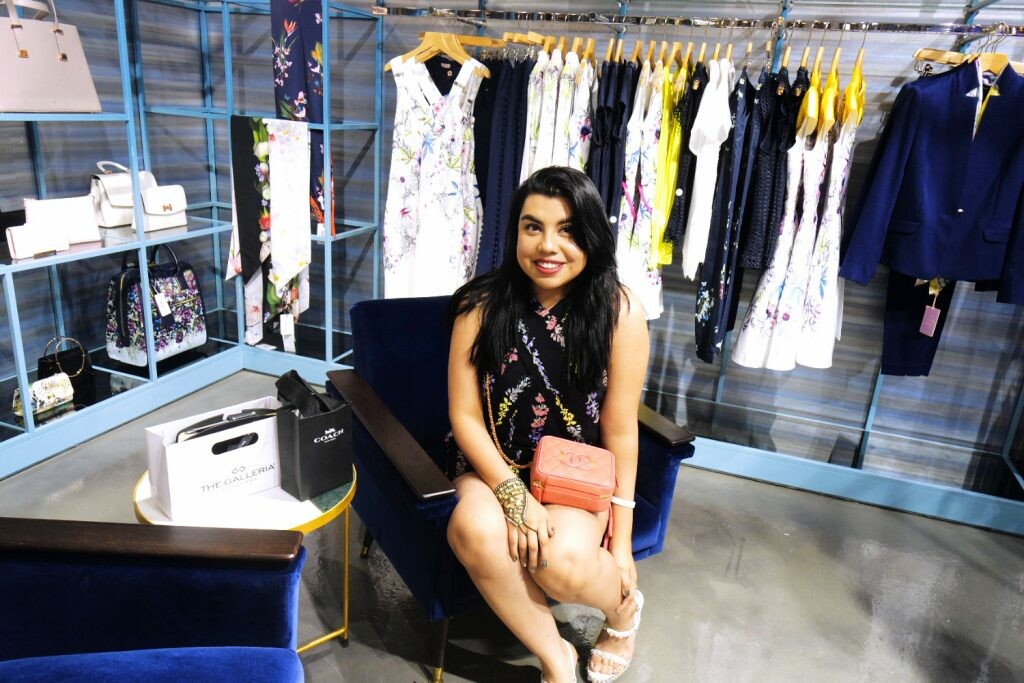
Follow up with visitors through email, share recap content and encourage reviews or social sharing. Extending the impact of your pop-up helps convert short-term engagement into long-term brand growth.
Pop-Up Shop Marketing Ideas
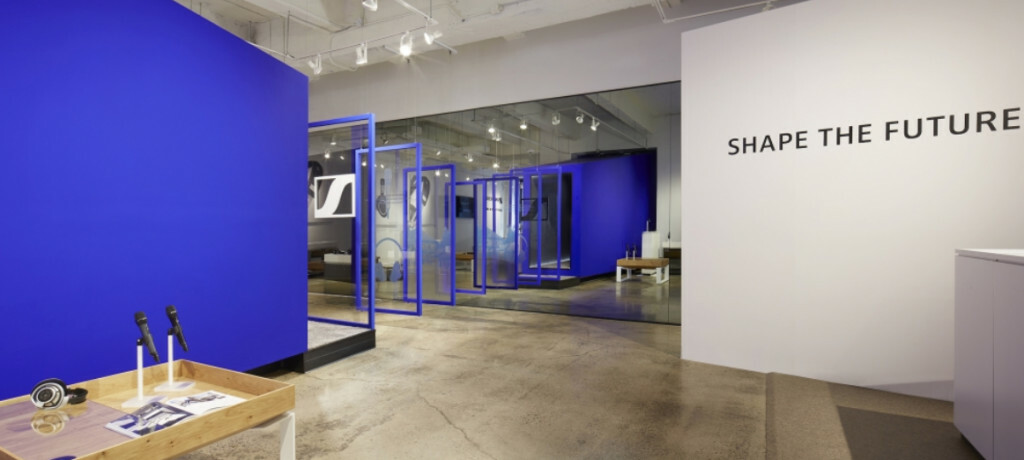
If you are looking for practical ways to promote your pop-up, focusing on proven marketing ideas can help you generate buzz quickly and attract the right audience. The most effective pop-up shop marketing ideas combine digital promotion with real-world experiences.
Events are one of the most effective ways to promote a pop-up shop. Launch parties, workshops and product demonstrations create a clear reason to visit and generate content for social media.
Influencer collaborations can significantly extend your reach. DJ Khaled’s pop-up collaboration with Palmer’s Cocoa Butter in New York is a strong example of how influencer-led activations can generate buzz and attract new audiences.

Partnerships with local brands or businesses allow you to reach a wider audience and create shared marketing opportunities. These collaborations can include co-hosted events, cross-promotion or product partnerships.
Experiential elements make your pop-up memorable. Interactive installations and immersive environments encourage visitors to engage and share their experience online. You can explore more strategies in this guide to creating an Instagrammable pop-up store.
Local activation is essential for driving foot traffic. Promoting your pop-up through nearby businesses, events and community channels ensures visibility among people who are already in the area.
Social media marketing for pop-up shops
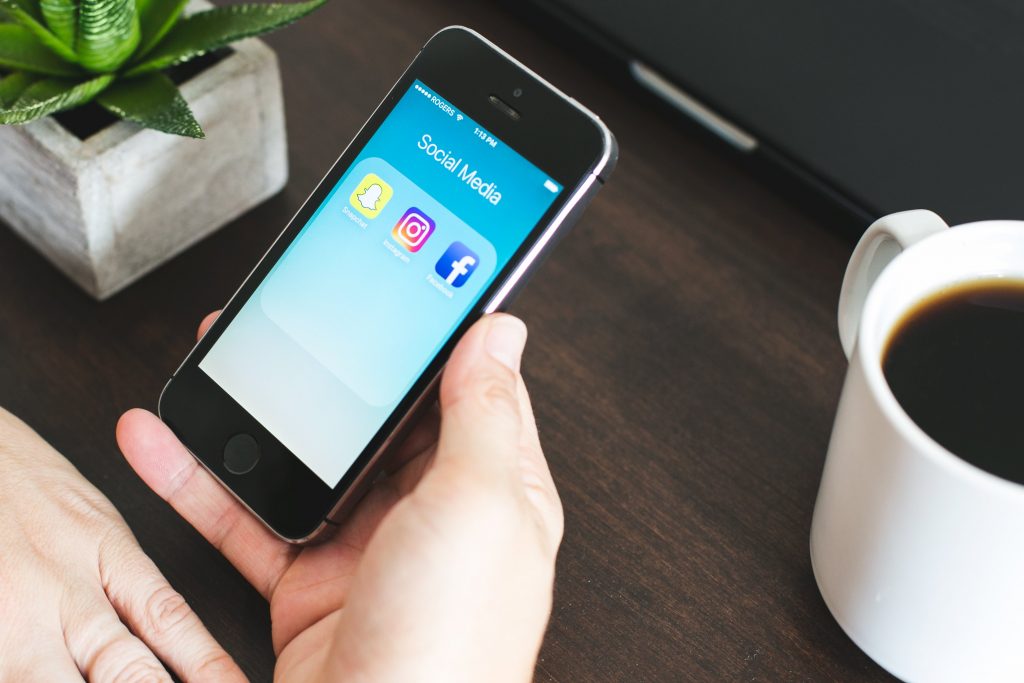
Social media is one of the most effective tools for pop-up shop marketing. Platforms such as Instagram, TikTok and Facebook allow brands to create anticipation, share real-time updates and amplify customer experiences.
For a full breakdown of strategies, see our guide to promoting a pop-up shop on social media.
Influencer marketing for pop-up shops
Working with influencers and local personalities helps extend your reach and build trust with potential customers.
Inviting creators to preview events encourages user-generated content and allows your pop-up to reach new audiences organically. Influencer marketing is particularly effective when combined with experiential retail and exclusive access.
How to create an Instagrammable pop-up shop
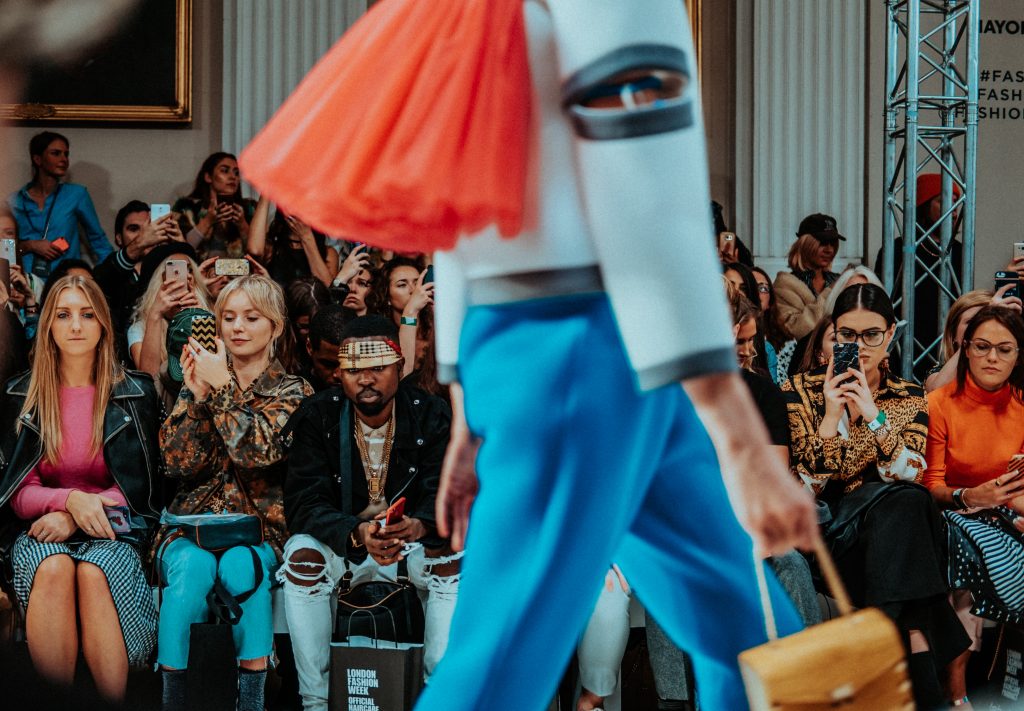
Design plays a key role in marketing success. A visually engaging pop-up encourages visitors to take photos, share content and promote your brand organically.
Creating visually engaging, interactive environments encourages visitors to take photos, share content and promote your pop-up organically. You can explore more ideas in this guide to creating an Instagrammable pop-up store.
Offline marketing ideas for pop-up shops
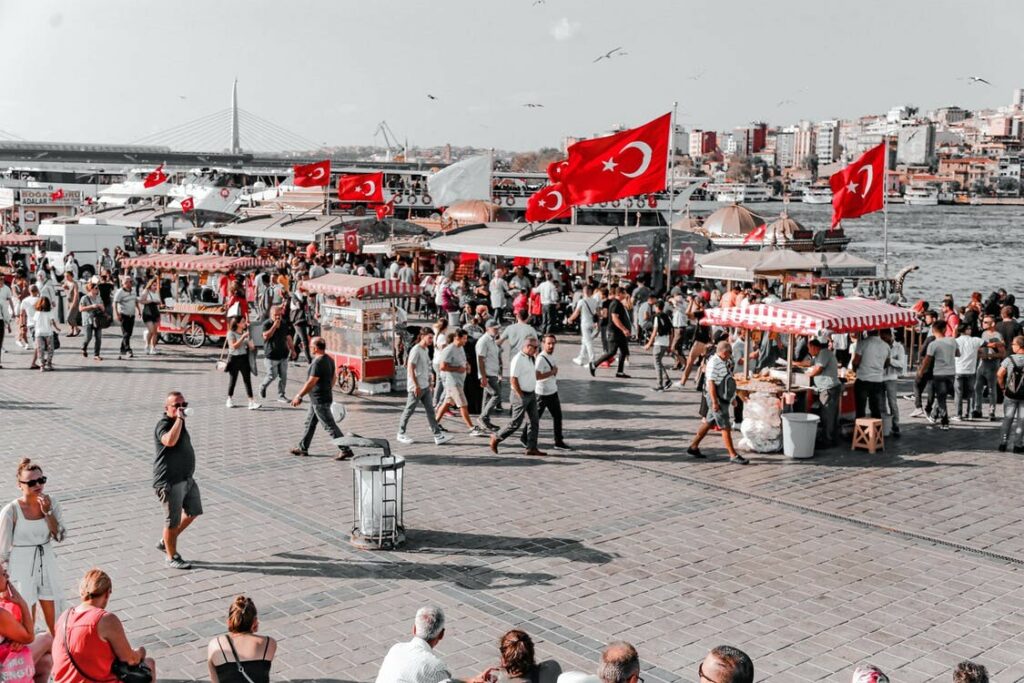
Offline marketing remains essential for driving local foot traffic.
This can include partnerships with nearby businesses, participation in local events, street-level promotion and printed materials. These strategies help you reach audiences beyond digital channels and create a stronger local presence.
For more ideas, see offline retail campaign strategies and this guide on how to generate footfall to your pop-up store.
How to get press and media coverage for a pop-up shop
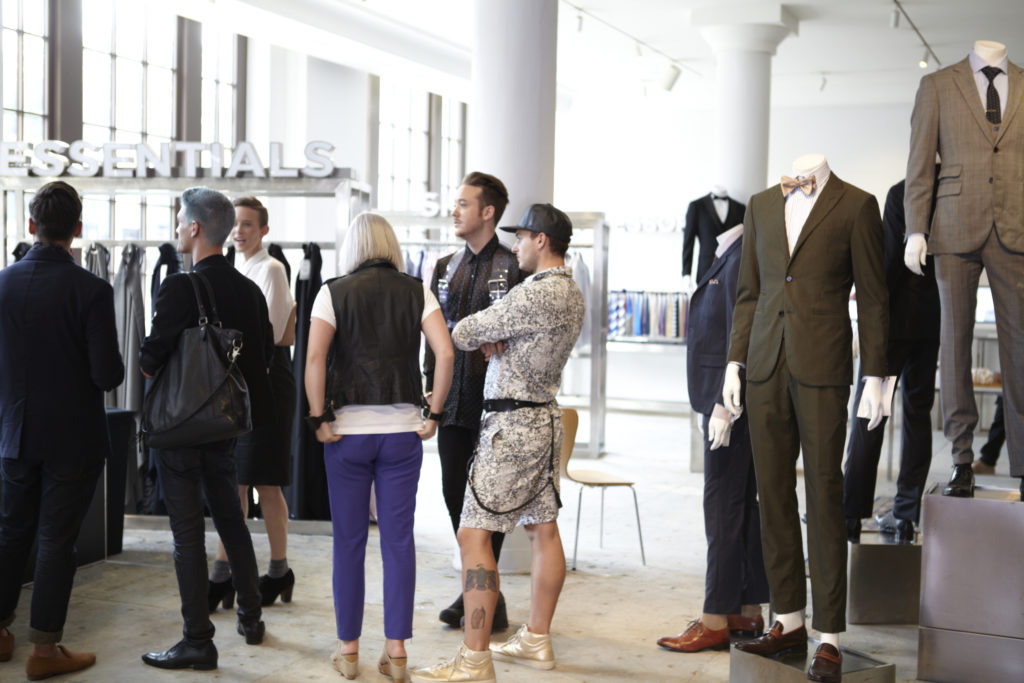
Press coverage and media attention can significantly increase visibility for your pop-up.
Reaching out to local publications, bloggers and industry media can help position your pop-up as a must-visit event. Creating a strong story around your brand, product or concept makes it more likely to gain coverage.
Location strategy and choosing the right space
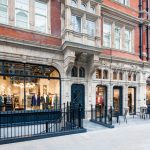
Choosing the right pop-up shop location is one of the most important marketing decisions you will make.
A high-visibility space in a busy area naturally attracts foot traffic and reduces reliance on paid promotion. The right location also reinforces your brand positioning and helps you reach your target audience more effectively.
Omnichannel marketing for pop-up shops
Pop-up shops are increasingly part of an omnichannel strategy.
Brands combine physical retail with digital touchpoints such as QR codes, online ordering and social media engagement. This creates a seamless experience that allows customers to interact with your brand both online and offline.
Local SEO and discoverability
Local visibility plays an important role in attracting visitors to your pop-up.
Optimising for local search helps people find your store when searching for nearby events or retail experiences. You can learn more in this guide to local SEO and getting your business found.
Finding the right space for your pop-up
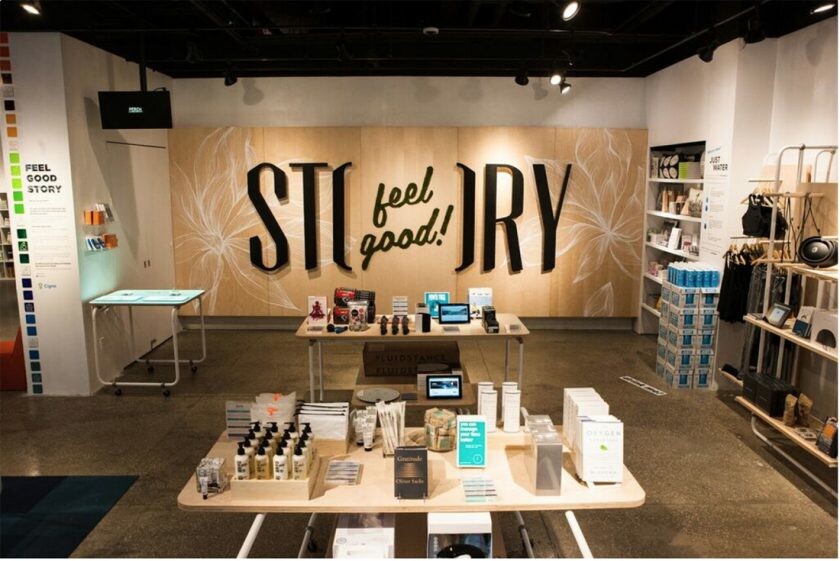
Securing the right pop-up shop space is essential to the success of your pop-up shop.
Platforms like Storefront allow brands to browse and book short-term retail spaces in major cities worldwide. Whether you are looking for a location in New York, London, or Paris, choosing the right space will directly impact your visibility and performance.
You can explore available spaces here:
FAQ – Pop-Up Stores Explained
What is the meaning of pop-up store?
A pop-up store is a temporary retail space that opens for a short period of time, ranging from a few hours to several months. It is used by brands and businesses to sell products, test new markets, launch new collections, or create unique in-person shopping experiences before closing.
Do pop-up stores make money?
Yes. Many successful pop-up shops generate direct sales, increase brand visibility, and acquire new customers. Studies and industry data show that pop-up shops can produce 20% to 30% more revenue than traditional brick-and-mortar stores when combined with experiential marketing and limited-time offers.
Do you need a business license to do a pop-up?
In most cases, yes, a business license or temporary permit is required to operate a pop-up store. Requirements depend on the location, city, and country, and may include sales tax registration, health permits (for food), and short-term retail permits. It is essential to check local regulations before opening.
Are pop-up markets profitable?
Yes, pop-up markets can be profitable, especially when located in high foot traffic areas, festivals, or shopping malls. They allow multiple retailers to share costs, reduce risk, and attract large crowds, making them a cost-effective way for small businesses to drive sales and gain exposure.
Are pop-up shops legal?
Yes, pop-up shops are legal as long as they comply with local laws and regulations. This typically includes obtaining the proper permits, licenses, insurance, and adhering to zoning and safety requirements. When properly authorized, pop-up shops are a fully legitimate retail format.

- How to Get Press for a Pop-Up Shop - March 18, 2026
- Pop-Up Shop Marketing: How to Promote and Grow a Successful Pop Up - March 17, 2026
- Inside Diesel’s Knockoff Pop-Up Shop in SoHo - March 12, 2026