

The Meatpacking District is the smallest district we cover in Manhattan and it holds some of the largest ground-floor units in the city. That combination is the whole story. A handful of cobbled blocks between Chelsea and the West Village, former market buildings with frontages wide enough to drive a truck into, and a standard of presentation set by the brands already there.
It is among the most sought addresses in New York for brand flagships and activations, and it is not a district you take space in casually. See what is currently available across the Meatpacking District.
Why it is called the Meatpacking District
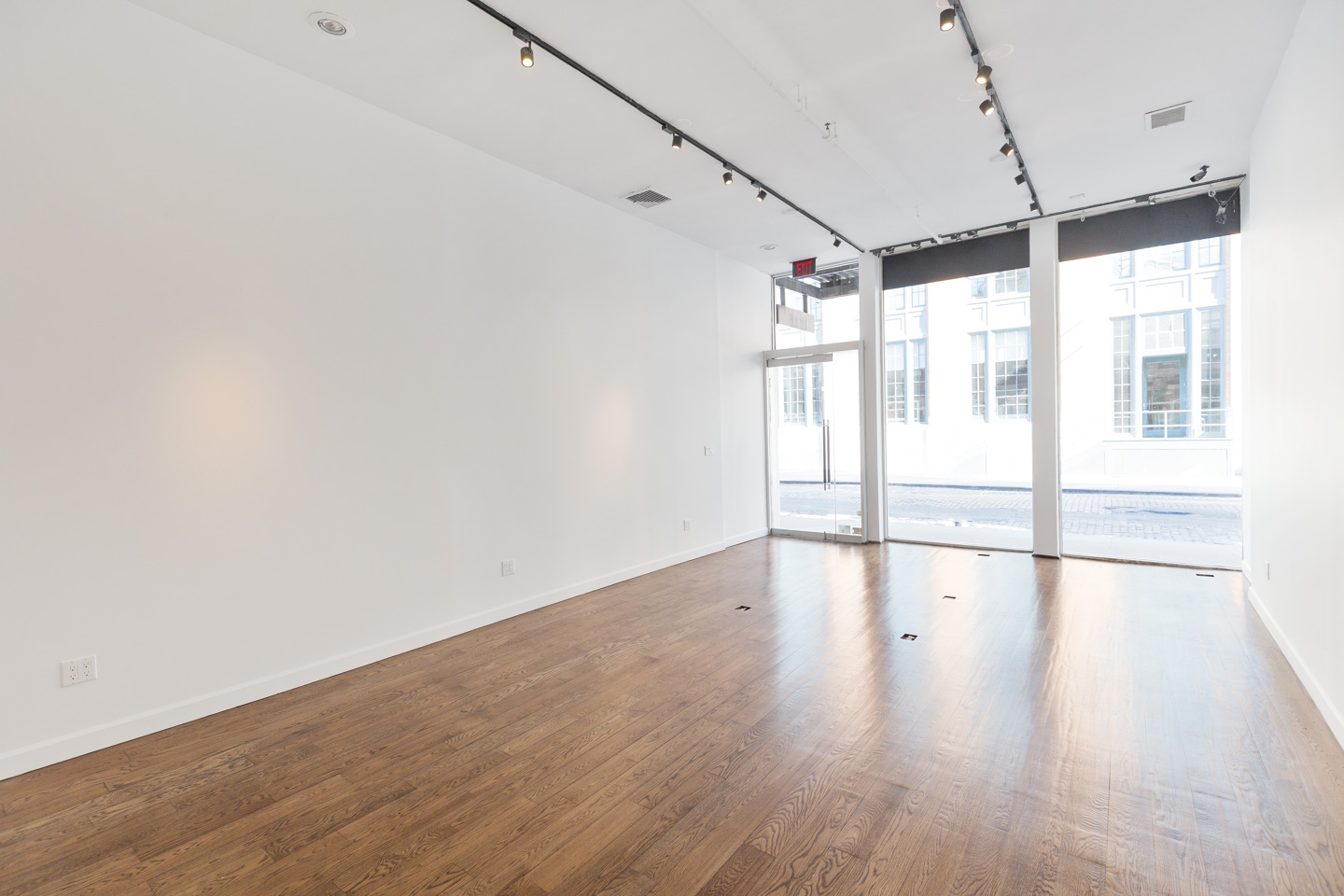
Because that is what it was. This was the city’s wholesale meat market, and the buildings were built for that trade: wide loading frontages, metal canopies over the sidewalk to keep carcasses out of the sun, cobbled streets built for carts and trucks, and large open ground floors with no interior structure to work around.
The meat trade has almost entirely gone and the flagship stores and nightlife arrived in its place, but the buildings did not change. Everything that makes the district good for a brand activation today is a leftover from what it used to do.
The building stock, and what it lets you do
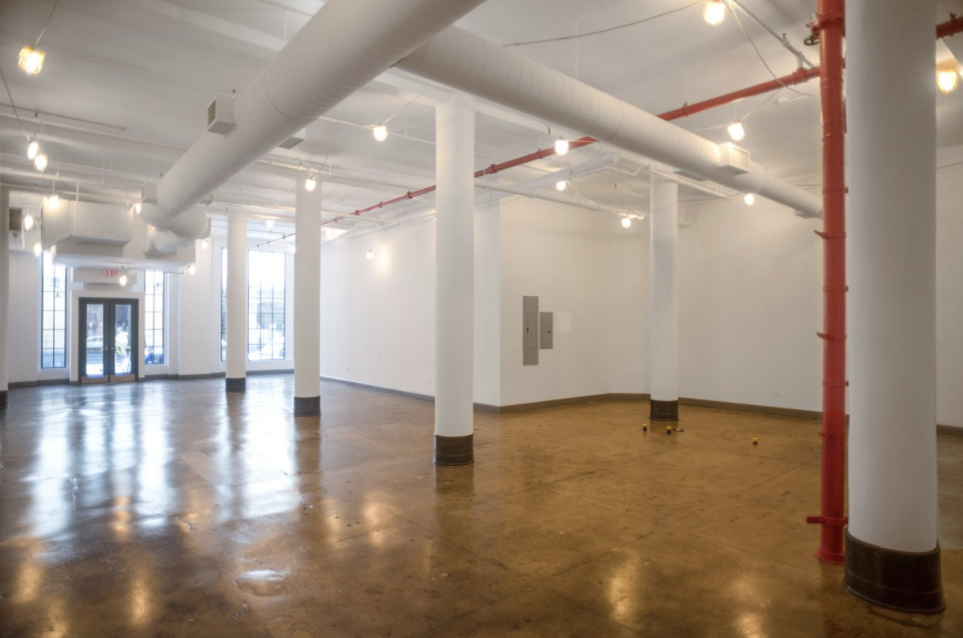
Buildings here are former market structures with wide loading frontages, canopies and large open ground floors. Little West 12th Street and the cobbled blocks around it hold the district’s largest ground-floor units, the ones brands take for full-format activations.
The important constraint is the exterior. Both the cobbles and the canopies are protected. So you get generous floor area and very little freedom to alter the outside of the building. If your concept depends on changing the frontage, wrapping the facade or altering what sits over the sidewalk, establish what is permitted before you commit rather than after.
The second constraint is the bar. The presentation standard set by neighboring occupiers is high enough that a temporary fit-out has to meet it or look out of place. In most districts a rough-edged pop-up reads as authentic. Here it reads as underfunded. Budget accordingly, or pick a district where the room does more of the work.
Shopping in the Meatpacking District
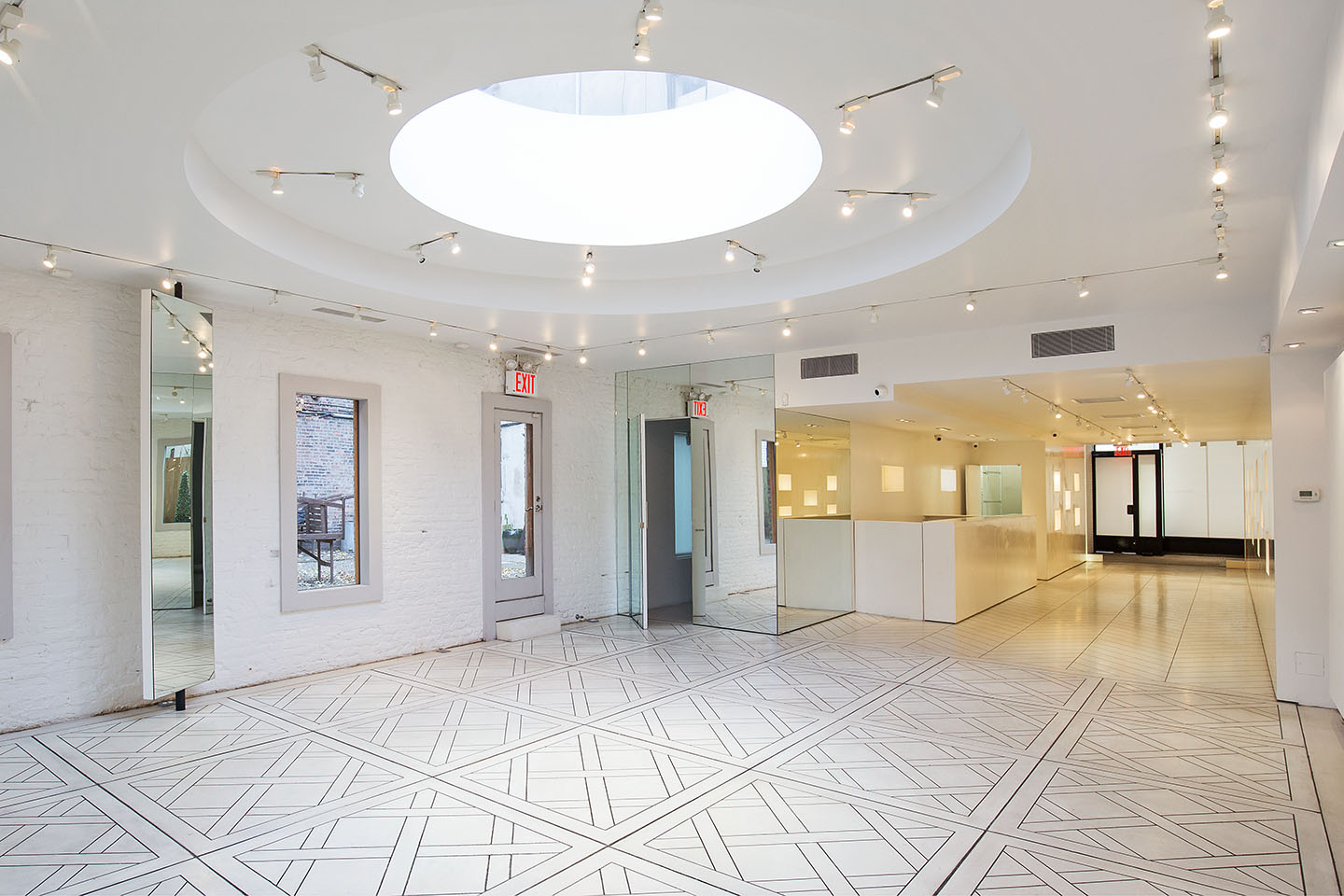
The district turned from a wholesale meat market into a flagship and nightlife district, and the shopping reflects that: a small number of large, design-led stores rather than a long run of small ones. It is compact enough to walk in fifteen minutes and you will have seen all of it.
Washington Street and Gansevoort Street are the cobbled core and hold the flagship units. Ninth Avenue and the blocks running up to 14th Street carry the rest. Chelsea Market sits immediately north on the boundary with Chelsea and is the nearest thing to a single shopping destination in walking distance, though it is food-weighted and technically the next district over.
What it is not is a browsing district. There is no long shopping street here and there never was. People come for specific stores, for the High Line, for the Whitney or for the evening. If you want volume walking past a window, SoHo is ten minutes away and built for it.
The High Line, the Whitney, and where the audience comes from
The Meatpacking District sits at the southern end of the High Line, the public park built on a 1.45-mile elevated rail structure running from Gansevoort Street to 34th Street. Its own figures set out the scale of what it carries. The Whitney Museum sits at that southern end and is the district’s main cultural anchor, and Little Island on the Hudson has since added another draw on the western edge.
Together they deliver a large, steady and culturally engaged flow into a very small number of blocks. That concentration is the district’s real asset, and it is why a small district can carry flagship-scale activations at all.
There is a practical catch worth understanding before you sign anything. Much of that audience arrives from an elevated walkway rather than from the sidewalk. People come down a staircase into the middle of a block rather than walking along the street toward you. That means where a unit is entered matters as much as where it faces. A frontage that looks commanding on a plan can sit behind the flow rather than in it. Walk the route people actually take, at the time of day you care about, before you decide.
The footfall warning
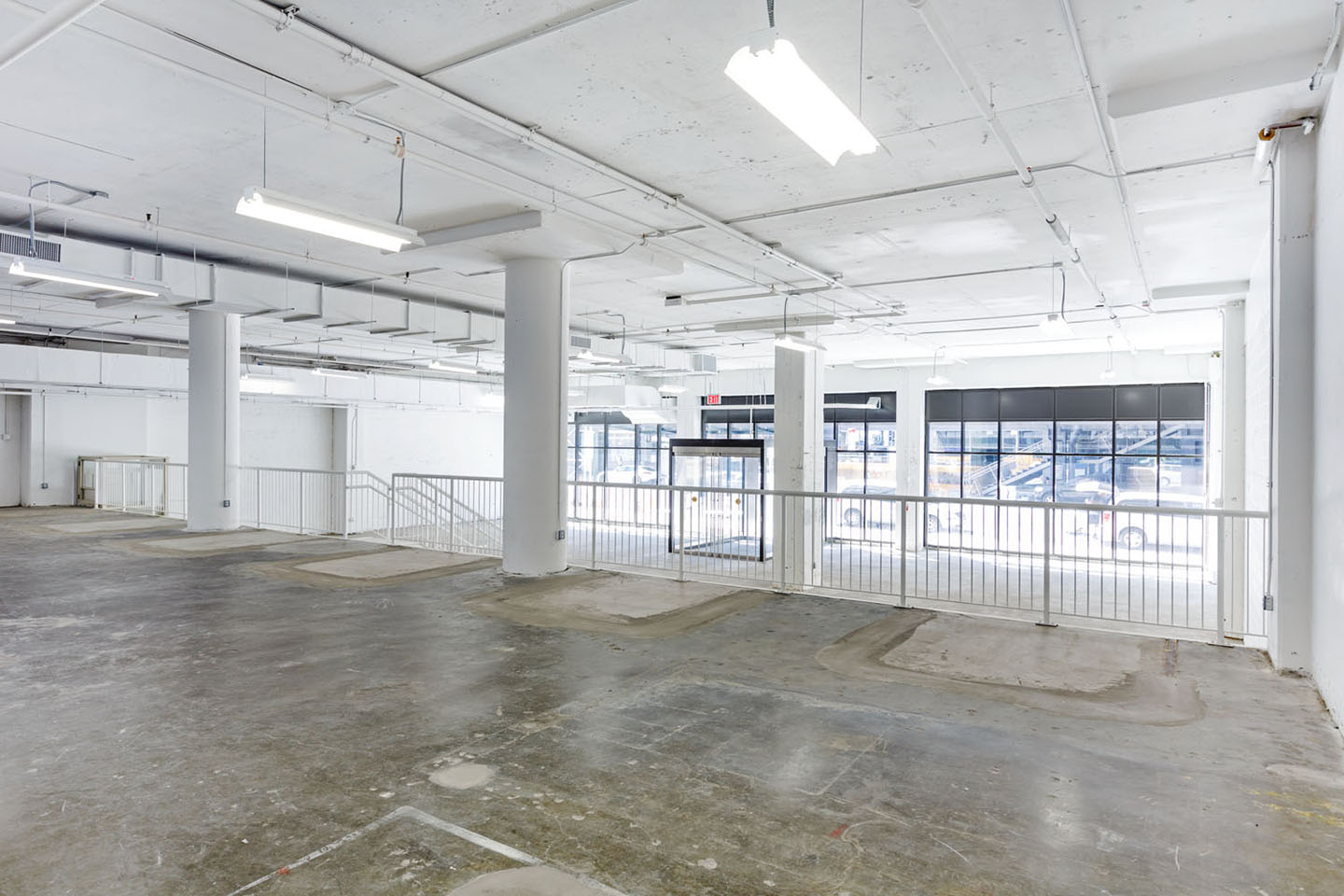
The Meatpacking District is one of several Manhattan districts that sit a genuine walk from the nearest subway station. The busiest station serving it is 14th Street and Eighth Avenue, which is among the twenty-five busiest in Manhattan, but the district itself is a walk from it.
Two consequences follow. Footfall is lower and more deliberate than a map suggests, so the people who arrive largely meant to. And staffing and deliveries both take longer than the address implies, which shows up in a fit-out schedule and in what it costs to run the space.
On deliveries specifically: 14th Street operates as a busway, with private vehicle traffic heavily restricted along much of its length. That speeds the crosstown buses and changes loading access for anything fronting onto it or reached through it. If your build arrives on a truck, check the restrictions rather than assuming them.
Space by format
The district lists a small number of spaces and they tend to suit more than one use, so start from what you need the room to do.
- Retail and pop-up shops. High-impact launches and brand moments rather than everyday trade, in units among the largest and most visible downtown. See retail and pop-up space in the Meatpacking District.
- Events and launches. The large open ground floors and the evening economy make this one of the stronger districts in Manhattan for a launch that runs into the night. See event space in the Meatpacking District, or our guide to renting an event space.
- Showrooms and press days. Appointment-led formats do not need the footfall the district lacks, and the address does real work. See showroom space in the Meatpacking District.
- Exhibitions and installations. Column-free floors and a culturally engaged audience arriving from the High Line and the Whitney. See art and gallery space in the Meatpacking District.
Washington Street sits on the boundary and we list it under Chelsea, which is worth knowing if you are searching by street rather than by district. See space on Washington Street.
Meatpacking compared with the districts around it
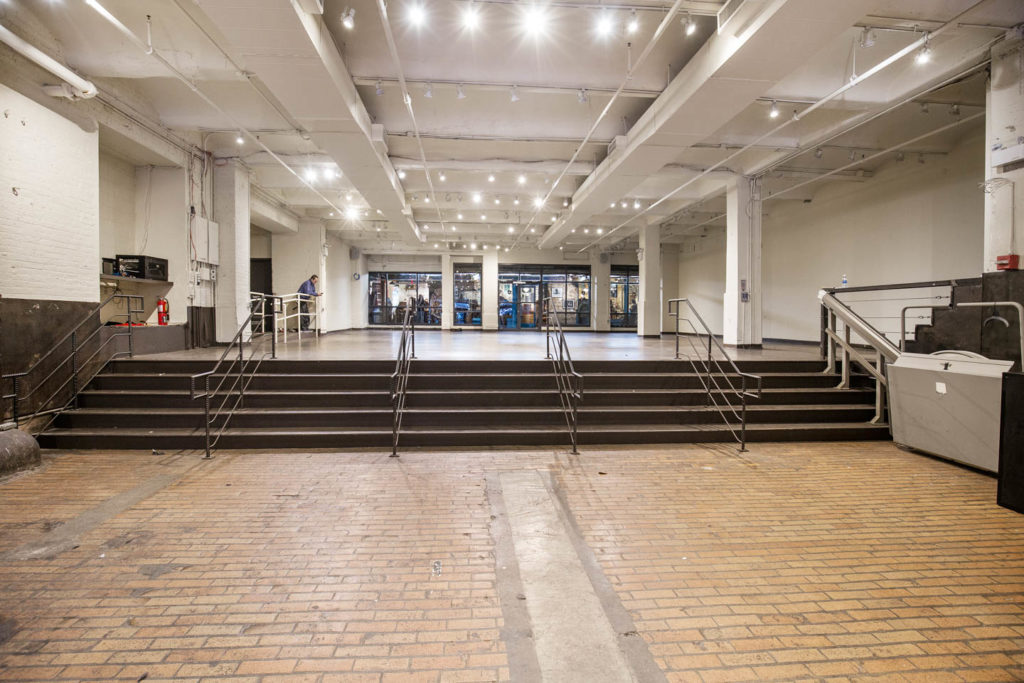
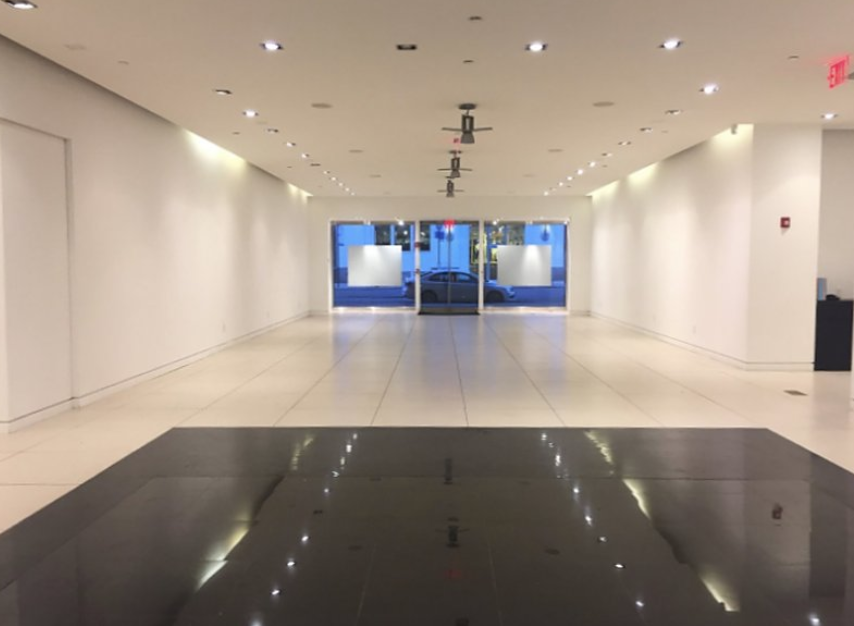
- Versus SoHo. SoHo has the pavement traffic and the browsing crowd. Meatpacking has larger, more dramatic rooms and a more controlled audience. Choose SoHo for volume, Meatpacking for a moment.
- Versus Chelsea. Chelsea has far more inventory and the largest exhibition floors in Manhattan, but it is a gallery district rather than a retail one. Meatpacking gives you street frontage and cobbles; Chelsea gives you the room. See space in Chelsea.
- Versus the Lower East Side. Opposite ends of the market. The Lower East Side is small units, low rents and discovery. Meatpacking is large units, high rents and a presentation standard.
- Versus the West Village. Quieter, smaller and residential in character, a short walk south. See space in the West Village if the Meatpacking budget does not work.
Our ranking of the best New York neighborhoods for a pop-up shop sets them all against each other.
Getting there
The Meatpacking District is served by the 14th Street and Eighth Avenue subway stations, and the High Line delivers a walking route in from Chelsea and Hudson Yards to the north. Most visitors arrive on foot from one direction or the other rather than stepping out of a station into the district.
Common questions
Why is it called the Meatpacking District?
It was the city’s wholesale meat market. The name stuck after the trade left, and the buildings it left behind, with wide loading frontages, sidewalk canopies and large open ground floors, are exactly what makes the district work for brand activations now.
Is the Meatpacking District good for shopping?
For flagship stores rather than browsing. It is a small number of large design-led stores on a few cobbled blocks, walkable in fifteen minutes. There is no long shopping street. If you want one, SoHo is ten minutes away.
Is the Meatpacking District good for events?
It is one of the better districts in Manhattan for it. Large open ground floors, an established evening economy, and the High Line and the Whitney delivering a culturally engaged crowd into a few blocks. See event space in the Meatpacking District.
Can I change the front of a Meatpacking building for a pop-up?
Assume not without checking. Both the cobbles and the canopies are protected, so exterior alterations are constrained in a way they are not in most districts. You get a lot of floor and very little freedom outside it.
How does the Meatpacking District compare to SoHo?
SoHo is bigger, busier and built for browsing. Meatpacking is smaller, quieter than its reputation, and built for a set piece. SoHo is the better bet if you are selling to people walking past; Meatpacking is the better bet if you are staging something people come to.
When is the best time to launch here?
The district’s audience is weighted to afternoons, evenings and weekends, and the High Line brings a strong seasonal lift from spring through autumn. A launch that runs into the evening gets more out of the location than one that closes at six.
Where to look next
Next door: the Chelsea guide for the gallery buildings and the rest of the High Line, and the SoHo guide for the browsing traffic ten minutes east. Further south, the Tribeca guide covers the other downtown district built on large loft floors.
If you are planning the project rather than the location, start with our guide to opening a pop-up shop in New York. Otherwise go straight to space in the Meatpacking District or short-term retail space across New York.

Written by
Adrien Kerbrat is Chief Revenue Officer and co-founder of Storefront. With more than 10 years in commercial real estate, he is an expert on the French market and short-term retail across Europe. Based in Bordeaux and often in Paris, he writes on pop-up strategy, retail location, and the French retail landscape.
More from Adrien Kerbrat →Related posts:
 Nolita NYC Guide: Shopping, Streets and Short-Term Space
 Chelsea London Area Guide: The Complete Chelsea Shopping Guide for Brands and Pop-Up Shops
 Hollywood Neighborhood Guide: Pop-Up Shops, Event Spaces, and Showrooms in Los Angeles
 Shoreditch Neighborhood London Guide: London’s Hipster Hangout and Pop-Up Capital
 How to Start a Pop-Up Shop in London: The Complete Guide