
Adding food and drink to a pop-up store is one of the most effective ways to increase engagement, dwell time, and sales. Whether you are offering samples, running a branded café concept, or hosting a full experiential launch, food and beverage can elevate your retail activation.
However, serving food and drinks on site comes with legal and operational responsibilities. From securing the right pop up shop license to understanding different types of food license requirements, brands need to plan carefully to remain compliant.
If you are starting from scratch, explore flexible pop-up store rental options and align your concept with a space that supports food and beverage operations.
Why Food and Beverage Works in Pop-Up Retail
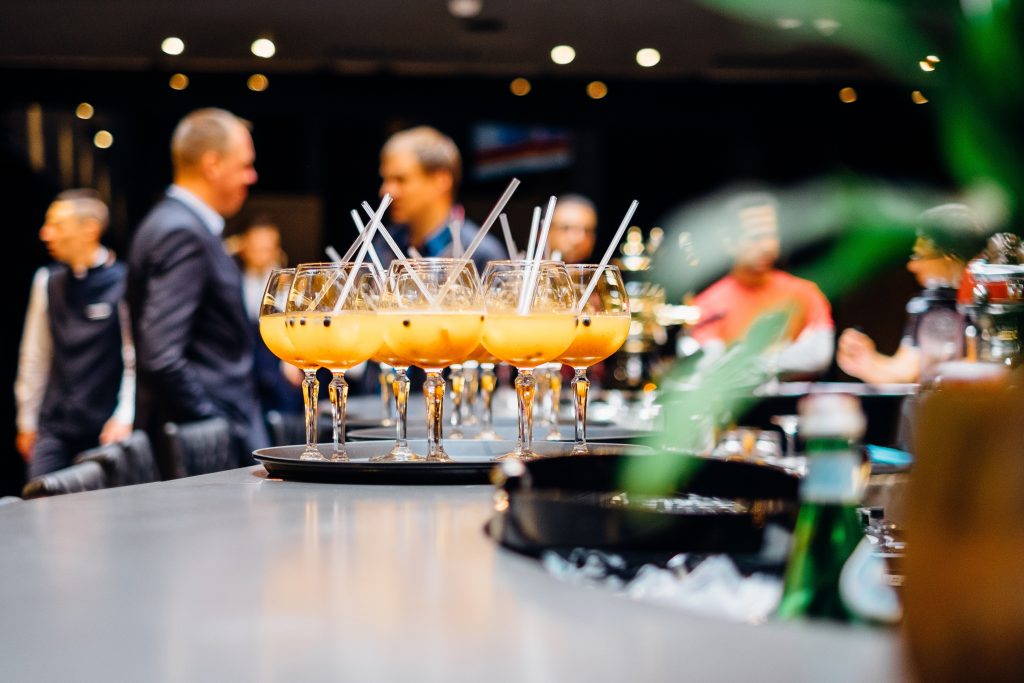
Food and beverage activations create stronger customer connections and encourage longer visits. They also increase the likelihood of purchases, particularly when integrated into a broader brand experience.
From sampling stations to immersive concepts, food and beverage pop up kits and turnkey setups are increasingly being used to simplify execution while maintaining quality.
Key Questions Before Serving Food and Drinks On Site
Before launching, it is essential to define how food and drink will be incorporated into your pop-up. Regulations vary by city, but the same core considerations apply globally.
How Will You Serve Food and Drinks
If you are preparing or modifying food on-site, your pop-up may be classified as a food business. This means you will likely need a relevant food license and must meet health and safety standards similar to restaurants or cafés.
Even simple actions such as heating or assembling pre-packaged items can fall under food preparation regulations.
If you are working with external vendors or food and beverage pop up kits, ensure all providers are licensed and compliant in your operating region.
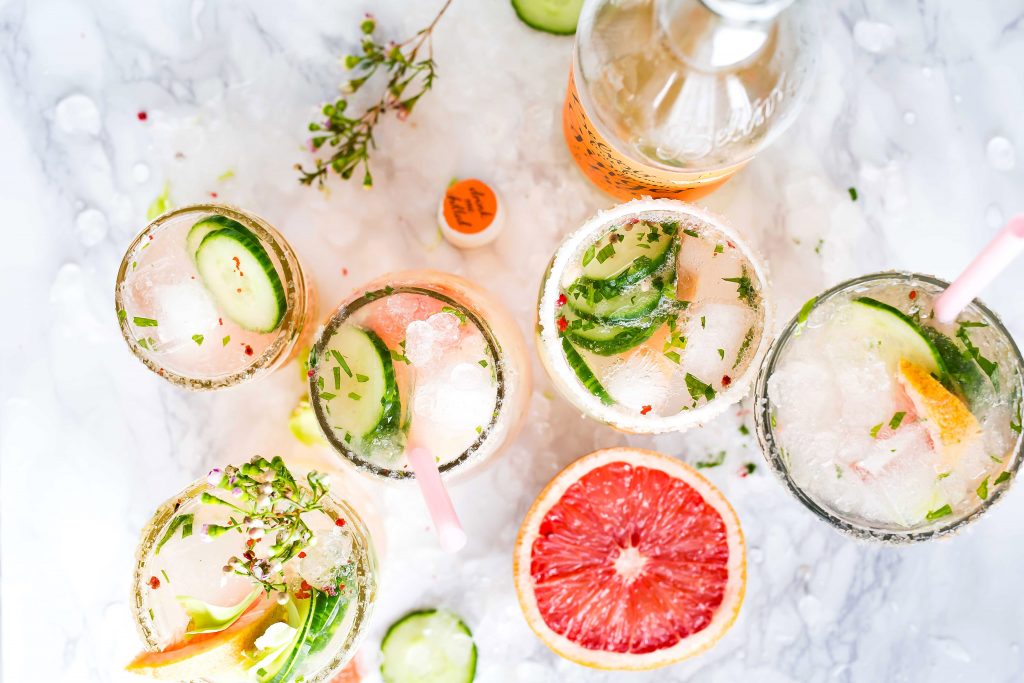
Where Will Food and Drinks Be Served
Your layout must support both compliance and customer experience.
- Consider how food service integrates with retail flow
- Plan designated areas for preparation, serving, and waste
- Ensure safe movement of customers and staff
Some brands use outdoor setups such as food trucks or mobile bars. These may require additional permits depending on your location.
What Type of Food or Drink Will You Offer
The type of offering directly impacts licensing requirements.
- Pre-packaged food may have fewer restrictions
- Fresh or prepared food typically requires full health permits
- Alcohol requires a specific pop up liquor license or equivalent
Always confirm with local authorities before finalising your concept.
Pop-Up Shop Licences and Food Regulations
Understanding licences is critical when serving food and drinks on site. While requirements differ by region, the same categories apply whether you are operating in New York, London, Paris, or elsewhere.

Health and Food Licences
Most jurisdictions require a food license if you are handling consumable products. These licences ensure your pop-up meets hygiene, storage, and preparation standards.
Common requirements include:
For brands
Ready to launch your pop-up?
Find and book your short-term retail space with Storefront.
Find a space- Access to handwashing facilities
- Safe food storage and temperature control
- Staff training or certification
To understand location-specific rules, refer to
- New York pop-up shop regulations and permits
- UK pop-up shop licences and legal requirements
- Paris pop-up permits and regulations
Equivalent frameworks exist in other regions, so always check local health authorities.
Pop-Up Liquor Licences
Serving alcohol requires a specific licence issued by your local authority.
Common options include:
- Temporary event licences
- Retail alcohol licences
- Special occasion permits
In many markets, a pop up liquor license also requires liability insurance and strict compliance with serving regulations.
General Pop-Up Shop Licence Requirements
Beyond food-specific licences, you may also need a general pop up shop license depending on your city. This can include permits related to retail activity, signage, and occupancy.
For a full overview of launching, refer to this complete guide to opening a pop-up store.

Additional Considerations for Food and Beverage Pop-Ups
Insurance
General liability insurance is essential when serving food and drinks. It protects against risks such as customer injury or food-related issues.
Check your lease to clarify responsibilities between you and the landlord.
Zoning and Location
Zoning laws can impact whether food service is allowed in your chosen space. Restrictions may apply depending on the surrounding area.
Confirm zoning compliance before signing a lease or committing to a concept.
Staffing and Food Safety
Many regions require certified staff to be present when handling food. Hiring experienced professionals helps ensure compliance and smooth operations.
Planning Your Food and Beverage Pop-Up
To execute successfully, factor both creative and operational elements into your planning.
- Budget for permits, licences, and staffing
- Allow time for inspections and approvals
- Design your layout to support food service
- Align your menu with your brand experience
If you are new to pop-ups, this guide on how to open and run a pop-up store provides a complete framework. You can also explore this overview of what a pop-up shop is to understand the model in more detail.
Final Thoughts
Serving food and drinks on site can significantly enhance your pop-up store, but it requires careful planning and compliance.
Whether you are navigating a pop up liquor license, understanding different types of food license, or setting up food and beverage pop up kits, the key is preparation.
While regulations vary between cities like New York, London, and Paris, the same principles apply globally. Always verify local requirements, work with licensed partners, and design your experience with both safety and engagement in mind.
With the right approach, your pop-up can deliver a memorable and high-performing retail experience.

Written by
Adrien Kerbrat is Chief Revenue Officer and co-founder of Storefront. With more than 10 years in commercial real estate, he is an expert on the French market and short-term retail across Europe. Based in Bordeaux and often in Paris, he writes on pop-up strategy, retail location, and the French retail landscape.
More from Adrien Kerbrat →Related posts:
 What is a pop-up shop? Everything you need to know to try short-term retail
 How to Set Up a Pop-Up Art Gallery: 8 Steps to Renting and Launching Your Exhibition
 Offline Marketing Ideas for Pop-Up Shops
 The 5 Types of Pop-Up Shops (With Examples) & How to Choose the Right One
 Automotive Pop-Up Shops: How Car Brands Use Temporary Showrooms to Launch, Test and Sell