


What Makes a New York Loft
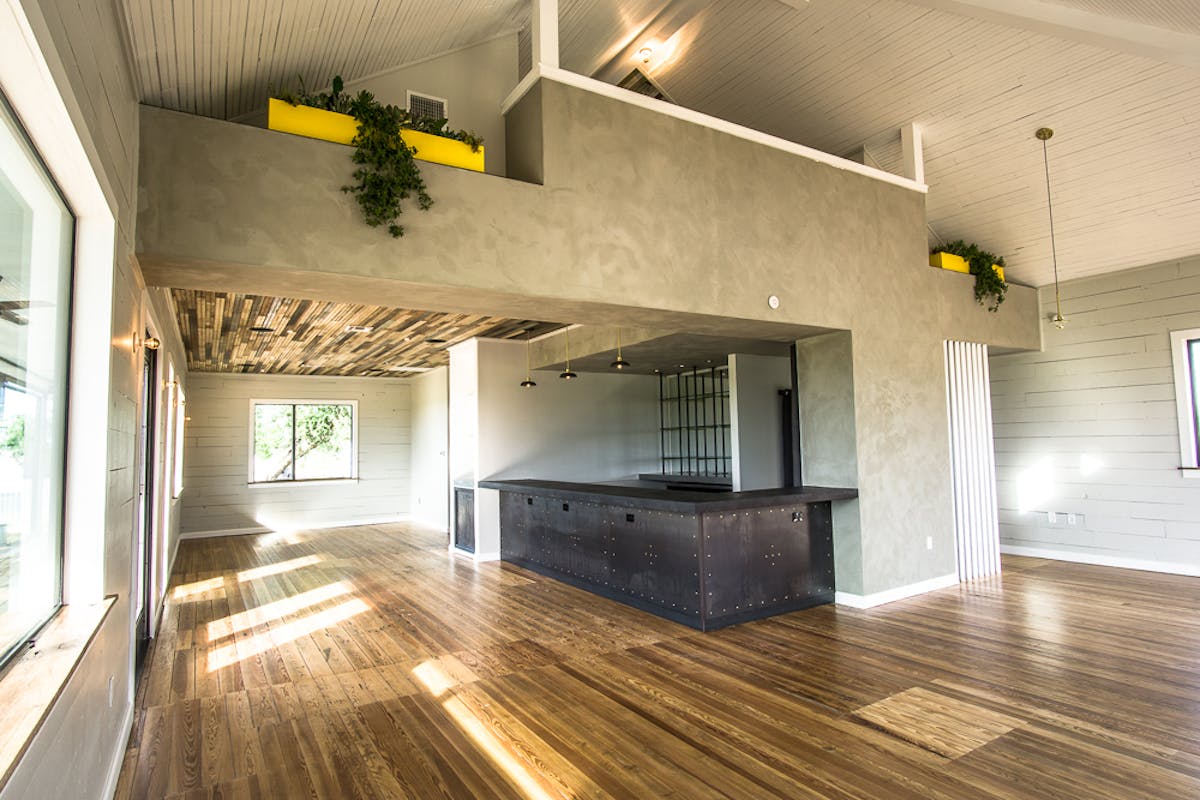
A loft is a former industrial or commercial floor converted to flexible use. In New York, that history is visible in the architecture: ceiling heights that run from twelve to eighteen feet, exposed brick and timber, column-spaced open floors, freight elevator access, and windows that run almost the full height of the wall. The buildings that produce them were put up in SoHo, Tribeca, NoHo, and the Garment District from the mid-nineteenth century onward, originally as dry-goods warehouses and light-manufacturing floors. That construction is what makes loft spaces for rent in New York different from studio space or conventional retail: the scale, the raw materiality, and the column-free depth that a purpose-built shop unit rarely offers.
Loft for rent searches in New York cluster in those manufacturing-era neighborhoods. SoHo and NoHo have the densest concentration of cast-iron loft buildings, with large ground-floor frontages and upper floors that have been in creative use since the 1970s. Tribeca's warehouse stock is heavier and wider, with streets that suit showroom and event use more than walk-in retail. The Garment District retains the loft configuration of its original wholesale trade: open floors, freight access, and a building stock oriented to commercial rather than consumer use.
What Loft Spaces Are Used For
Loft rental in New York covers a wide range of commercial activity. The most common uses include:
-
Pop-up shops and temporary retail: the open floor plan and high ceilings give brands room to build a full environment rather than dress an existing one. SoHo lofts have hosted flagship pop-ups, sample sales, and limited-edition drops that a standard shopfront could not contain.
-
Photo and video production: column-free depth, natural light from oversized windows, and raw surfaces make lofts a standard choice for fashion and product shoots. The freight access matters too: equipment comes and goes without the constraints of a residential building.
-
Events, launches, and presentations: a loft floor cleared of furniture holds a standing audience well, and the industrial character reads as intentional rather than unfinished. Brand launches, press previews, and collection presentations all use this format regularly.
-
Showrooms and market appointments: the Garment District and SoHo both concentrate showroom activity around New York Fashion Week in February and September, when buyers and press need large open floors for appointment-based viewing.
-
Workshops, studios, and installations: the floor load capacity and open layout of a manufacturing-era loft suits fabrication, art production, and installation work that a standard commercial floor cannot safely hold.
Where New York Lofts Concentrate
The neighborhoods below are where loft space in New York is most consistently available and where the building stock is most suited to short-term use.
-
SoHo: the highest-demand short-term rental district in the city. Cast-iron loft buildings give wide ground-floor frontage and ceiling heights that suit both retail and production. The area draws more pop-up and brand activation activity than any other Manhattan neighborhood.
-
Tribeca: wide streets and large loft floorplates from its warehouse past. Sparser retail than SoHo, and better suited to showrooms, private events, and production work than walk-in trade.
-
NoHo: a small, architecturally protected district of loft buildings between Greenwich Village and the East Village. A limited number of large, high-specification floors with landmark status that constrains exterior changes.
-
The Garment District: the historic center of the American apparel trade. Buildings are configured for wholesale and trade use, with open floors, freight access, and a commercial density that suits showroom and sample-sale formats.
-
Chelsea: concentrated in the West 20s, Chelsea's gallery buildings offer large column-free floors that suit exhibitions, showrooms, and brand activations. The contemporary art infrastructure of the neighborhood is established and internationally recognized.
For a broader view of available space across the city, New York search results show the full range of neighborhoods and space types. SoHo-specific availability is listed under Soho.
Booking a Loft in New York: Practical Notes
New York loft buildings were built for commercial use and most of them carry that through into permitting. The certificate of occupancy on a Manhattan building states what each floor may lawfully be used for and how many people it may hold. A space marketed as a loft event venue may carry a certificate of occupancy that specifies a different use class, and the certificate governs rather than the listing. Establishing the permitted use before committing to a booking is the first diligence step on any Manhattan space.
When a loft gathers a crowd rather than shoppers or production crew, it may cross the threshold for a place of assembly, which requires its own approval and has Fire Department occupancy and egress conditions attached. The threshold is lower than most brands assume.
Many of the neighborhoods with the densest loft stock, SoHo, NoHo, Tribeca, and parts of the Garment District, sit inside designated historic districts. Exterior changes to a facade in a historic district require review by the Landmarks Preservation Commission, which covers signage and lighting as well as structural work. A brand planning external branding on a landmarked building needs to allow for that process.
From January 2025, driving into Manhattan south of 60th Street is subject to a congestion toll. Almost all of the loft-dense neighborhoods in this guide sit inside that zone, so a fit-out van, a delivery, or a production vehicle is a tolled trip. Combined with commercial loading restrictions on most Manhattan blocks, deliveries to loft buildings are the most commonly underestimated cost in a Manhattan short-term project.
For space that suits a different format or budget, retail space for rent and Mall Booth Kiosk Corner Rental are worth reviewing alongside loft options.
FAQ
What is a loft space in New York?
A loft space in New York is a former industrial or commercial floor, typically found in a cast-iron or warehouse-era building, converted to flexible use. The defining features are high ceilings, open column-free floor plans, exposed brick or timber, and large windows. They are most common in SoHo, Tribeca, NoHo, the Garment District, and Chelsea.
What are loft spaces in New York typically used for?
The most common uses are pop-up retail, sample sales, photo and video production, brand launches and press events, showroom appointments, and workshops. The open floor plan and raw industrial character suit activations and production work that a conventional shop unit or event venue cannot accommodate.
How far in advance should I book a loft in New York?
Demand for short-term loft space peaks around New York Fashion Week in February and September, in the run-up to the December holidays, and during the spring sample-sale season. Booking several weeks ahead during those periods is advisable. Outside peak season, availability is generally broader and lead times shorter.
Are there restrictions on what I can do in a loft space?
Yes. The certificate of occupancy governs permitted use and occupancy limits. Events that gather crowds may require a place of assembly certificate. Serving food, sampling products to the public, or serving alcohol each bring additional permit requirements from city and state agencies. In historic districts, exterior signage and lighting require Landmarks Preservation Commission approval.
Which neighborhoods have the most loft spaces for rent in New York?
SoHo and Tribeca have the densest concentration of cast-iron and warehouse-era loft buildings suitable for short-term use. NoHo and the Garment District also have significant loft stock. Chelsea is the main option for gallery-format loft floors in the West 20s.
Can I book a loft space in New York for a single day?
Yes. Short-term loft rental in New York is available by the day, the week, or for longer periods depending on the space and the owner's terms. Production and event bookings are often a single day or a weekend; sample sales and pop-ups typically run from a few days to a few weeks.


