


What Are Loft Spaces in London?
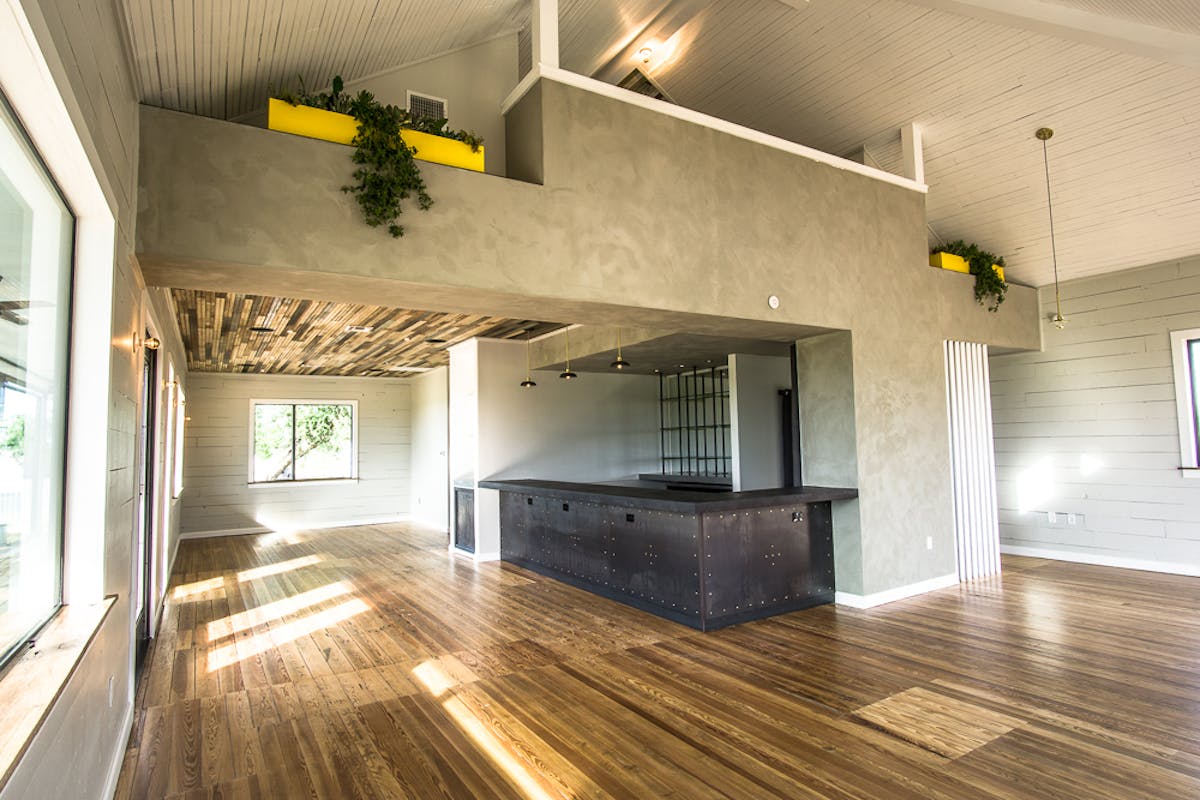
Loft spaces in London are converted former industrial or light-industrial buildings, typically featuring high ceilings, exposed brick or concrete, steel or timber structural elements, and large windows. The combination of raw architecture and open floor plans makes them a practical choice for photography, film production, brand activations and events that benefit from a characterful setting.
East London holds the largest concentration of loft rental in the city. The area's former warehouse and factory stock has been steadily converted over several decades, producing a range of spaces from compact one-room studios to multi-floor industrial buildings. Smaller pockets of loft space exist in Central and West London, though availability there is more limited.
London Neighbourhoods for Loft Rental
Shoreditch is one of the most active short-term rental districts in London. Its former warehouse and light-industrial buildings offer wide ground-floor frontage and raw interiors, which draw brand activations and creative productions. The customer skews young and trade is busiest at evenings and weekends.
Brick Lane runs south from Shoreditch and is known for its weekend market activity and small independent retail. Frontages are compact and rents are lower than the West End, with trade heavily concentrated at weekends.
Spitalfields is built around a covered Victorian market hall that trades seven days a week. It is one of the most established routes into short-term space in London, with permanent units around the market edge and shorter-term options nearby.
King's Cross has been redeveloped into a managed mixed-use estate. The area's former Victorian railway infrastructure now houses offices, education and a curated retail quarter. Space there tends to be let through the estate rather than on the open market.
For loft rental across the wider city, London search pages cover spaces by neighbourhood and use case.
What to Look for in a London Loft
When comparing loft spaces for rent in London, the features that most affect practical use are:
-
Ceiling height and windows. High ceilings and large north-facing windows produce the natural light that makes lofts useful for photography and film. Ask the owner for ceiling measurements and window orientation before confirming.
-
Load-in access. Confirm door widths, stair dimensions and whether a lift is available. Equipment, furniture and props for productions can be heavy and bulky, and a narrow Victorian staircase may rule out certain spaces regardless of their other qualities.
-
Floor plan. Open floor plans suit shoots and events. Some loft spaces are subdivided, which can suit smaller meetings or presentations but limits reconfiguration.
-
Facilities. Check for WiFi, bathroom access, kitchen or catering provision, and climate control. These vary significantly between listings.
-
Access and parking. Central London loft spaces fall inside the Congestion Charge zone, which operates weekdays and part of Saturday and Sunday. The Ultra Low Emission Zone covers every London borough and runs daily. Both affect delivery and crew vehicle costs. Street parking in most central neighbourhoods is limited; check whether the space or the owner can advise on nearby options.
When to Book a Loft in London
Demand for short-term loft rental in London peaks around the fashion weeks in February and September, during the London Design Festival, which runs across the city for around nine days each September, and through the Christmas trading period. The autumn also brings Frieze London, typically in October, which increases demand for gallery and event space across the city.
August is the quietest month in central London. Office footfall drops and many residents leave, which can make it easier to secure space with shorter notice.
For loft for rent in London during peak periods, booking several weeks ahead is advisable. Off-peak and weekday availability is generally more flexible, though the most sought-after spaces fill quickly regardless of season.
Loft Rental London: Common Use Cases
Loft spaces in London are booked for a wide range of activities:
-
Photography and film production
-
Fashion shows, lookbooks and product shoots
-
Product launches and brand activations
-
Art exhibitions and pop-up galleries
-
Corporate off-sites and team events
-
Podcast and video content recording
For brands looking at lower-cost options alongside loft rental, cheap space in London covers a broader range of budget-friendly listings across the city.
For retail-format spaces, retail space for rent covers shopfront and commercial options beyond the loft category.
FAQ
What is a loft space in London?
A loft space in London is typically a converted former industrial or warehouse building with high ceilings, exposed structural elements such as brick, steel or timber, and open floor plans. They are distinct from studios or offices in their raw architectural character, which is why they are commonly used for shoots, events and brand activations.
How do I find loft spaces for rent in London?
Browse listings on Storefront by neighbourhood or use case. Each listing shows photographs, floor area, ceiling height where provided, available dates and the owner's contact details. You enquire directly with the owner, agree the details, and confirm the booking on the platform.
Which London neighbourhoods have the most loft spaces?
East London, particularly Shoreditch, Brick Lane and Spitalfields, holds the largest concentration of converted industrial and loft spaces in the city. King's Cross and parts of Central London have loft availability, though the stock is smaller. Prices and availability vary by neighbourhood and season.
What should I check before booking a loft in London?
Confirm ceiling height, window orientation, load-in access (door widths, lift or stair dimensions), floor plan configuration, and available facilities including WiFi, bathrooms and climate control. For central spaces, check whether the location falls inside the Congestion Charge zone and how that affects deliveries or crew vehicles. Requirements for the activity itself, such as licensing or local authority permissions, depend on the space and what you plan to do, and are worth confirming with the owner and the relevant authority before booking.
How far in advance should I book a loft space in London?
Peak periods around the fashion weeks in February and September, the London Design Festival in September, Frieze in October, and the Christmas run-up fill quickly. Booking several weeks ahead during those periods is advisable. Weekday and off-peak availability is generally more accessible, though the most popular spaces across Shoreditch and Spitalfields can fill at any time of year.
Can I use a loft space for a pop-up shop in London?
Many loft spaces are suitable for short-term retail, gallery formats or brand pop-ups. For spaces listed specifically for retail use, Soho and other neighbourhood search pages include commercial spaces alongside loft-style venues. Check the listing details to confirm the owner permits retail activity and that the space meets your operational requirements.


