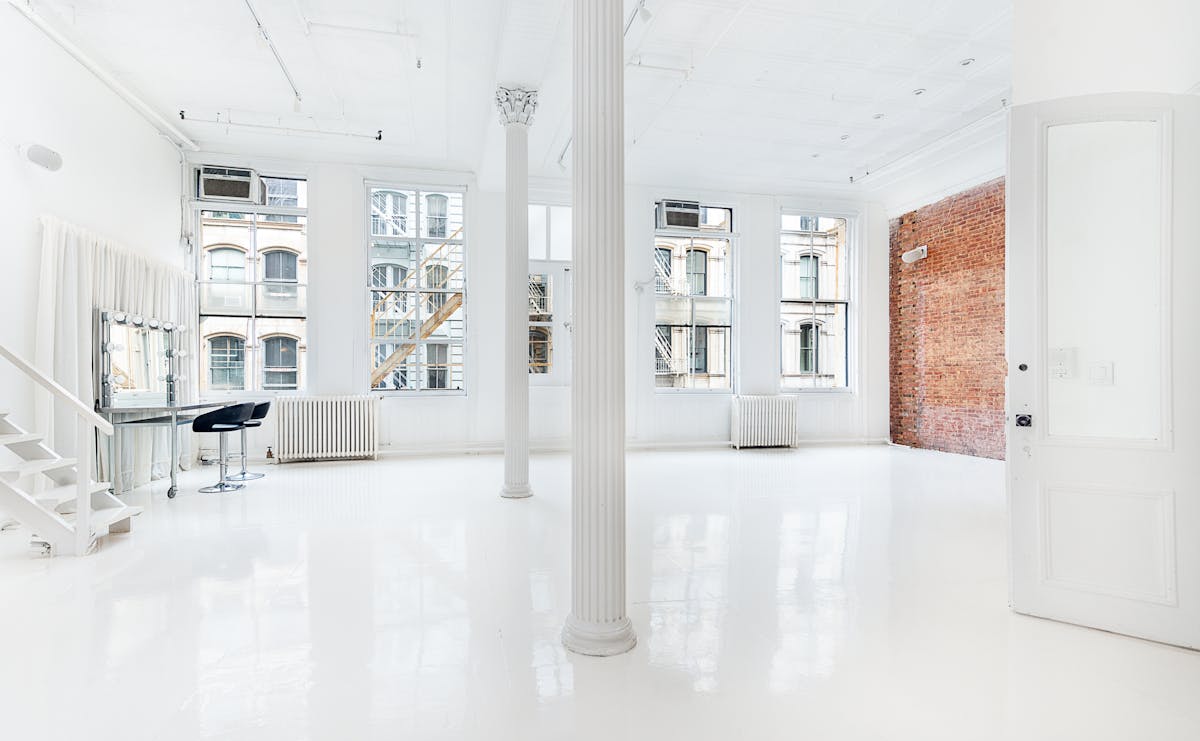



A shop with flat lets you run a retail business and live, or house staff, at the same address. The ground floor trades as a shop; the flat above or behind it remains a self-contained residential unit with independent access. One address, one set of running costs, and no daily commute between where you work and where you sleep.
This format is common across London's high streets. Victorian terraces in Hackney and Edwardian shopfronts in Marylebone carry it in large numbers, and it suits independent operators who want proximity to their business without taking two separate leases.
What is a shop with flat in London?
A shop with flat is a mixed-use property: a customer-facing retail unit on the ground floor with a self-contained flat above or behind it. The retail and residential areas have independent access and, in most cases, separate utility metering. The format is distinct from a live-work studio or a serviced office with accommodation: the shop is a proper shopfront with a street-level window and a customer floor area, and the flat is a habitable residential space, not an overflow room.
Shop with flat for rent in London suits owner-operators, small brands, and independent retailers who want to combine commercial activity with on-site living or staff accommodation.
Why choose a shop with flat rental in London?
The practical appeal is the consolidation. Rather than a retail lease in one part of the city and a residential tenancy somewhere else, one agreement covers both. For an owner-operator that means:
-
Operating close to stock, equipment, and customers without a daily commute
-
Using the flat as staff accommodation during busy trading periods or for visiting team members
-
Running a flexible or short-term retail concept with residential backup space for admin or light storage
-
Budgeting against a single combined rent rather than two separate agreements
Neighbourhoods for shop with flat rental in London
Shop with flat inventory is spread across central and inner-London neighbourhoods. The character of each district shapes what the format suits.
Shoreditch is the highest-demand short-term retail district in London. Its former warehouse and light-industrial stock gives wide ground-floor frontage and raw interiors. Streets such as Brick Lane and Redchurch Street carry small independent and brand-owned units. The customer skews young and the area trades hardest at weekends. This neighbourhood suits experimental retail, creative pop-ups, and artisan brands.
Notting Hill combines a strong weekend visitor draw with a wealthy resident catchment. Portobello Road and Westbourne Grove are the principal retail streets, with small independent fashion and homeware units. The format works well here for owner-operated shops in fashion, beauty, and design.
Marylebone reads as a village high street despite sitting close to Oxford Street. Marylebone High Street and Marylebone Lane are managed with an independent-leaning tenant mix. The customer is affluent and local, with strong daytime footfall. A practical choice for owner-operated retail in health, beauty, and homewares.
Hackney and Dalston offer lower entry costs, a loyal local customer base, and a creative retail culture. Kingsland Road and Kingsland High Street carry small ground-floor units with a strong evening economy. Common for food, vintage, and independent fashion.
Camden is a market-led district with very high visitor numbers. Its retail is small-unit, independent, and heavily weekend-weighted. The canal and market halls anchor the footfall.
Fitzrovia sits between the West End and Bloomsbury, with a media and advertising office population and a dense run of restaurants. Retail here is smaller in scale than Oxford Street and serves a weekday crowd.
For the full inventory across all districts, browse retail space in London.
Typical property layouts
A London shop with flat rental varies considerably in size and configuration:
-
A compact Shoreditch unit might combine a 300 sq ft shop with a studio flat above
-
A larger Marylebone property could pair an 800 sq ft boutique with a one-bedroom flat to the rear
-
Most units include a shop window, street-level customer access, and independent utility metering for retail and residential
Layouts are specific to each listing. Check the floor plan and confirm whether the flat entrance is from the street or via the shop before viewing.
Lease terms and flexibility
Shop with flat listings on Storefront are available on short and flexible terms. Most listings suit:
-
Short-term and pop-up lets: from one week to three months, with no long-term commitment
-
Rolling monthly agreements: month-to-month with a notice period, suited to brands in a test phase
-
Longer fixed terms: available through direct negotiation with individual landlords
Before signing any agreement, confirm which party is responsible for business rates on the retail unit and for any residential charges on the flat. The two liabilities are separate and are a lease negotiation point.
Planning and mixed-use considerations
A shop with flat sits across two planning uses: retail on the ground floor and residential above. If you intend to use the flat for anything other than residential purposes, confirm the permitted use with the landlord before signing. Using a residential flat as a studio, office, or storage area may require consent from the local planning authority.
For listed buildings or properties in conservation areas, external signage and shopfront alterations can require separate consent. A short-term occupier should generally assume the existing frontage is what they have.
Requirements depend on the specific property and local authority. Confirm all planning, licensing, and regulatory obligations directly before committing.
For context on broader insurance obligations when running a pop-up retail space in London, see Insurance for Pop-Up Shops in London: Key Types of Cover and What to Know.
Who thrives in a shop with flat
The format suits a specific set of operator types:
-
Owner-operators in independent retail: fashion, homewares, books, or beauty brands where the founder serves customers directly and benefits from living close to the shop
-
Artisan food and drink producers: bakeries and specialty producers who start early and benefit from on-site accommodation
-
Pop-up brands testing a London location: a shop with flat rental lets a brand run a temporary retail presence without committing to a long lease or separate housing
-
Service-based retail: florists, tailors, and repair services where irregular hours make proximity to the business practical
For a broader view of short-term retail formats, see Pop Up Store Rental or explore basement retail space in London for an adjacent format.
FAQ
What is a shop with flat in London?
A shop with flat is a mixed-use property combining a ground-floor retail unit with a self-contained residential flat above or behind it. Both areas have independent access. The format is common on London's high streets and suits owner-operators who want to trade and live at the same address.
Who typically rents a shop with flat in London?
Independent retailers, owner-operators, and small brands are the most common tenants. The format also suits pop-up concepts, artisan producers, and service-based retail businesses that benefit from operating close to where they or their staff are based.
Is a shop with flat rental suitable for short-term retail?
Yes. Many shop with flat listings on Storefront are available on flexible or short-term terms from one week upward, making them practical for brands testing a London location before committing to a longer lease.
Who pays business rates and residential charges on a shop with flat?
The retail unit typically carries business rates and the flat carries a separate residential charge. Which party pays each is a lease negotiation point. Confirm responsibility in writing before signing.
Do I need permission to use the flat for non-residential purposes?
Generally yes. Using the residential flat as an office, studio, or storage area may require consent from the local planning authority. Confirm the current permitted use with the landlord before signing.


