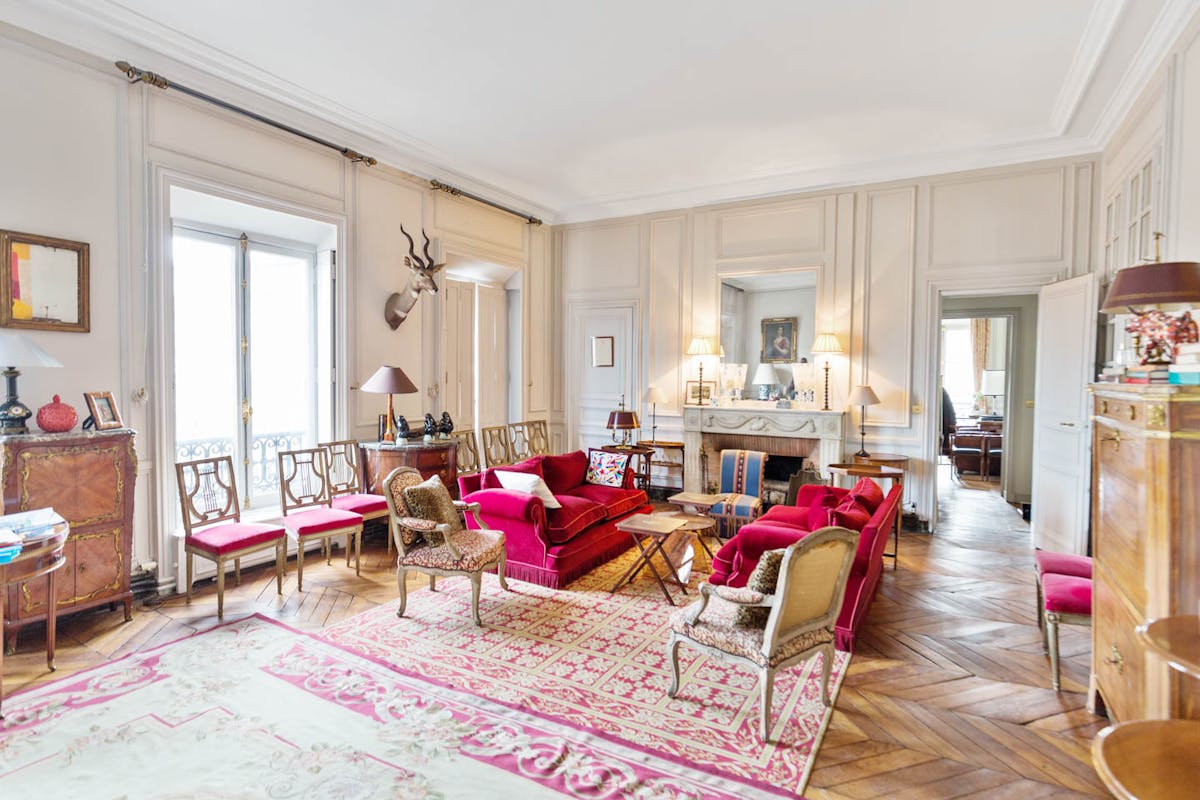



A storefront with apartment in New York is a mixed-use property combining a street-facing commercial unit at ground level with a residential space on one or more upper floors. This live-work format suits independent operators, fashion brands, wellness businesses, and food concepts that benefit from being on-site around the clock. A storefront with apartment rental gives you proximity to deliveries, staff coordination, and the shop floor itself, without a separate commute.
If you want to compare this format across other markets, the Storefront With Apartment collection covers mixed-use options in other cities.
Why Rent a Storefront with an Apartment
Street-level visibility brings in passing customers. On-site living keeps you close to operations: early deliveries, late events, and anything that happens between. For short-term retail, pop-up shops, and owner-operated concepts, the residential component is an operational asset rather than a bonus.
The format works differently from standard retail space. Here is how the two compare:
-
Storefront with apartment: street visibility plus on-site living, operational control, 24-hour access to the premises, flexible short-term rental terms, suited to owner-operated and live-work models
-
Retail-only space: commercial focus without residential overhead, suited to staffed operations that do not require overnight presence, often available at lower overall cost but requires separate housing
The right choice depends on your operating model. Brands running a brief pop-up with a small team often prefer the retail-only format. Owner-operators running a longer seasonal window, a sample sale over several weeks, or a fashion week showroom with accommodation frequently find the storefront with apartment rental covers both needs in one lease.
Neighborhoods for Storefront with Apartment Rentals
Mixed-use buildings with ground-floor retail and residential space above are spread across the five boroughs. Zoning, building stock, and business-type fit vary by area.
-
Lower East Side: the highest concentration of small independent storefronts in downtown Manhattan, with low-rise residential-commercial buildings and a dense evening economy. Strong for new labels testing the city at street level, vintage fashion, wellness, and food concepts.
-
Nolita: small-scale boutique retail in a low-rise, architecturally protected district. The buildings here share the loft-building DNA of SoHo immediately to the west. Well suited to fashion, jewelry, and design brands that want a quieter residential street rather than a flagship corridor.
-
East Village: independent boutiques, galleries, and small food concepts. Low-rise mixed-use blocks with many apartment-above-retail configurations and a dense local customer base across the week.
-
SoHo: the highest-demand short-term retail district in New York. The cast-iron loft buildings offer wide ground-floor frontage and tall ceilings. Mixed-use configurations here suit brands that need both a flagship-level presence and on-site accommodation during a campaign or fashion week.
-
Williamsburg, Brooklyn: a dense mixed-use corridor with modern residential-commercial conversions, strong foot traffic, and a broad range of business types from streetwear and design to food.
-
Astoria, Queens: independent food concepts, design studios, and art workshops, with competitive pricing relative to Manhattan and Brooklyn's prime corridors.
For retail space in New York across all formats, the main search covers every borough and neighborhood.
Lease Terms and Flexibility
Storefronts with apartments in New York are available on terms well below the standard retail lease. Short-term and flexible structures are common across the listings on this page:
-
Month-to-month and quarterly rentals
-
Short-term pop-up windows from one week to several months
-
Seasonal leases tied to a specific trading period
-
Event-based lets for fashion weeks, art fairs, or holiday campaigns
-
Furnished and unfurnished apartment configurations
New York Fashion Week runs twice a year, in February and September, and both cycles generate concentrated demand for mixed-use space: showroom space during the day, accommodation nearby for the duration. The Armory Show in late September draws a similar pattern from the gallery world. December holiday retail is the year's heaviest trading period and a strong window for short-term storefronts across the city.
For buyers comparing costs, retail space in New York without a residential component is generally priced lower, but a separate housing cost should be factored in when the lease runs beyond a few days.
Zoning and Legal Considerations
Not every storefront with apartment configuration is legally identical. New York City's Zoning Resolution separates commercial and residential uses by district, and mixed-use occupancy is only permitted where the zoning allows it. The building's certificate of occupancy states what each floor may lawfully be used for. That document governs rather than the listing description, so reading it is the first step before committing to any space.
Practical points to verify before signing:
-
Confirm the building's zoning classification supports both commercial ground-floor use and residential occupancy above
-
Check whether the apartment and retail unit have separate entrances, which is required in taller buildings for fire code compliance
-
Verify egress requirements for your specific business type, particularly if your retail use involves public gatherings or food service
-
Confirm the landlord holds the required permits for both the commercial and residential portions of the building
-
If you plan external signage or branding, check whether the building sits inside a Landmarks Preservation Commission historic district, which covers a large share of downtown Manhattan and requires separate approval for facade changes
The Americans with Disabilities Act requires accessible entry and service in any space open to the public. Many Manhattan storefronts have stepped entrances or below-grade levels, so the entry configuration is worth establishing early.
Seasonal and Event-Based Storefronts with Apartments
Some of the strongest use cases for a storefront with apartment rental are time-bounded rather than ongoing.
-
Fashion week windows: a showroom space with accommodation above removes the cost and logistics of separate hotel bookings for a team running market appointments across a week or more
-
Holiday pop-up shops: the run-up to Thanksgiving and the December holidays is the city's heaviest retail period; a short-term storefront with an apartment lets an owner-operator be on-site through the full campaign
-
Art fair seasons: the Armory Show in late September and Frieze New York each spring concentrate gallery and collector activity across the city, and mixed-use space near the action suits both commercial and curatorial uses
-
Sample sales: the sample sale is a New York institution and one of the largest single uses of short-term retail space in the city; brands running multi-day sales in SoHo, Chelsea, or the Garment District sometimes take a storefront with apartment to keep a team on-site for the full run
How to Choose the Right Space
A practical sequence for evaluating a storefront with apartment for rent in New York:
-
Define your duration and operational model: are you an owner-operator running a seasonal window, a brand doing a fashion week activation, or a team running a sample sale?
-
Identify the neighborhoods where your business type has precedent: the Lower East Side and East Village for independent and emerging labels, Nolita and SoHo for fashion and design, the Garment District for wholesale and showroom use
-
Review the certificate of occupancy and confirm the building's zoning allows your intended use
-
Check the entrance configuration: internal access between retail and residential, or separate exterior entrances
-
Confirm utility metering: some mixed-use buildings share a single meter across commercial and residential floors; others have separate meters for each
-
Verify the nearest subway access. The New York subway runs 24 hours a day, which means an event or late delivery does not require separate transport planning, but proximity to an express stop matters more than distance to the nearest local station
For a broader view of the Pop Up Store Rental market and how temporary retail works in practice, the project page covers formats across use cases and cities.
FAQ
What is a storefront with apartment rental used for in New York?
The format suits owner-operated retail, fashion week showrooms, multi-day sample sales, holiday pop-up shops, wellness studios, and food concepts where the operator benefits from being on-site. The residential space above gives 24-hour access to the premises and removes the need for separate accommodation during a campaign or seasonal let.
Can a storefront with apartment be rented short-term?
Yes. Short-term and flexible lease structures are standard across mixed-use listings in New York. Month-to-month, quarterly, seasonal, and event-based windows are all available. Duration flexibility is one of the format's main appeals for pop-up shops, fashion week activations, and temporary retail.
Are storefronts with apartments available outside Manhattan?
Yes. Mixed-use residential-commercial buildings are widely available in Brooklyn neighborhoods including Williamsburg and beyond, and in Queens including Astoria. Each borough offers a different pricing tier and business-type fit.
What should I check before signing a storefront with apartment lease?
Start with the building's certificate of occupancy to confirm both the retail and residential uses are lawfully permitted. Check the zoning classification, the entrance configuration, egress requirements for your business type, and whether the building sits inside a historic district requiring Landmarks Preservation Commission approval for any exterior changes.
How are utilities typically structured in a storefront with apartment?
This varies by building and listing. Some mixed-use properties share a single utility meter across the commercial and residential floors; others have separate metering. The listing details or the landlord will specify what is included in the rent and what is billed separately. Clarifying this before signing prevents cost surprises during the let.
What is the difference between a storefront with apartment and a live-work loft?
A storefront with apartment has a defined commercial ground floor open to the public and a separate residential space above. A live-work loft is typically a single undivided floor used for both professional and residential purposes, often in a converted manufacturing building. The storefront format suits retail and customer-facing use; the live-work loft suits studios, ateliers, and production use where public access is secondary.


