What is a storefront with apartment in Los Angeles?
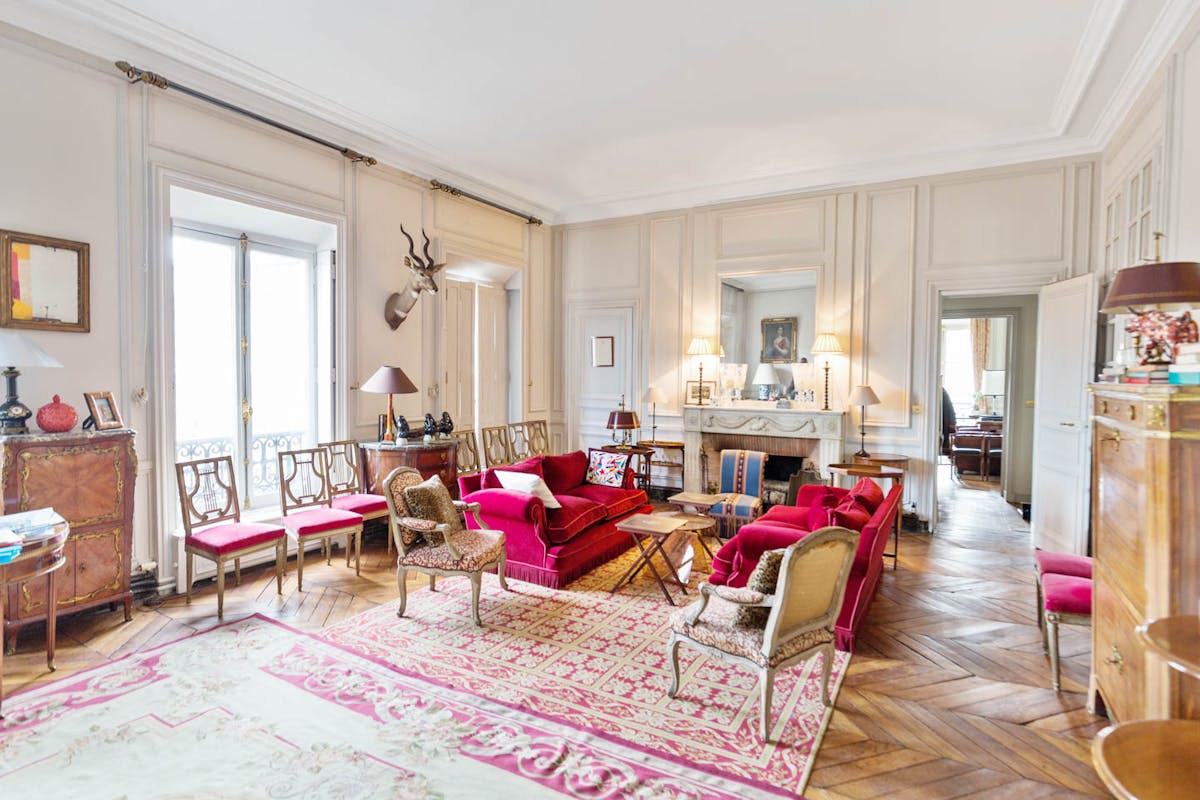
A storefront with apartment is a live-work space that combines a retail or gallery floor with residential space above or adjacent to it. In Los Angeles, the commercial space is booked by the day or week; whether the residential part can be used overnight depends on the listing and on the city's short-term rental rules. These spaces are suit founders, designers, artists and content creators who want a single address for both work and life.
The format is well matched to Los Angeles. Most of the city's live-work stock sits in buildings with direct street entry, high ceilings and roll-up frontage, particularly in the Arts District and the Fashion District. The building type suits activations, sample sales, editorial shoots and small showrooms in a way that a conventional apartment does not.
Why Los Angeles for live-work space?
Los Angeles has an unusually deep supply of adapted warehouse and industrial buildings, many converted under the city's adaptive reuse policy. The result is a stock of ground-floor units with original tile, exposed structure and high ceilings that would be difficult to build new, paired with residential space on the upper floors or immediately adjacent.
The entertainment industry also gives Los Angeles an audience that exists nowhere else: a large population of image-makers who attend openings, launches and press days as a matter of course. A brand activation in a live-work storefront here can reach that audience directly.
Outdoor-facing retail and courtyard space are viable through most of the year. Courtyards, patios and forecourts are usable as retail space in Los Angeles in a way they are not in most other cities, which widens what a live-work building can offer.
Los Angeles neighborhoods for live-work spaces
Los Angeles is organized by street rather than by neighborhood, and the right district depends on the audience a brand or creator is trying to reach.
-
Arts District: Former industrial warehouses and cold-storage buildings east of Alameda Street, with large floor plates, exposed structure and roll-up loading doors. Suited to exhibitions, installations and brand activations. Row DTLA anchors the district's leasable space, and Hauser and Wirth draws an art audience to the area.
-
Fashion District: A 107-block area of Downtown combining wholesale showrooms, fabric suppliers and open-air retail. The California Market Center, the Cooper Design Space, The New Mart and the Gerry Building bring trade buyers to the district. A live-work space here puts a brand inside the city's garment and wholesale economy.
-
Silver Lake: Sunset Junction, where Sunset Boulevard meets Santa Monica Boulevard, is the commercial center. The neighborhood skews toward design, homeware and independent fashion, and its customers are local and weekend-led.
-
Echo Park: The retail spine runs along Sunset Boulevard, roughly between Echo Park Avenue and Alvarado Street, lined with independent stores and drawing a young Eastside audience. A good fit for a brand that wants credibility without high rents.
-
Melrose: Two distinct stretches sharing a name. The eastern section between Fairfax and La Brea carries streetwear, sneakers and vintage with a young weekend crowd. West of Fairfax, toward La Cienega and Melrose Place, it turns to designer boutiques and an upmarket customer. Melrose east of Fairfax is one of the most established streetwear destinations in Los Angeles.
For a broader look at how these areas connect, the Hollywood Neighborhood Guide: Pop-Up Shops, Event Spaces, and Showrooms in Los Angeles covers the surrounding districts in detail.
Cost of a storefront with apartment rental in Los Angeles
Rates for a Los Angeles live-work storefront run city-wide from $500 to $1,200 a day, $2,375 to $8,800 a week and $6,000 to $30,000 a month. Rates vary by location, the size of the commercial floor, and how the residential space is configured.
A warehouse unit in the Arts District with a roll-up door will be priced differently from a ground-floor space with a Melrose Avenue address, and peak periods such as awards season push rates upward at well-located spaces.
Final rates depend on duration, exclusivity, and event timing. Pricing shown reflects typical asking ranges for spaces in the area; final booking terms are negotiated directly with the host.
For a cheaper entry point, see cheap retail space in Los Angeles for listings at the lower end of the market.
Who uses live-work storefronts in LA?
The format suits a specific kind of brief rather than a general one.
-
Emerging designers: A Fashion District live-work space puts a brand inside the city's wholesale trade, close to fabric suppliers and showroom buildings that trade buyers already visit.
-
Content creators and photographers: High ceilings, natural light and an adjacent residential space are recurring requirements for editorial and brand shoots. Many landlords in Los Angeles have handled film and photography bookings before.
-
Creative founders testing a neighborhood: The short-term booking format is closer to a trial than a commitment. A brand can open in Silver Lake for a week, read the response, and decide whether the neighborhood fits before signing anything longer.
-
Small teams and co-founders: A combined retail floor and residential space allows a small team to work and host at one address, which reduces both cost and logistics.
For context on how brands have used short-term space in the city, see How E-Commerce Brand Brandless Used a Pop-Up Store to Build Community in Los Angeles.
All listings on this page are available through Storefront. Enquire with your dates, and the space owner responds directly. See the Pop-Up Store Rental project page for more on the format.
FAQ
What is included in a storefront with apartment in Los Angeles?
What is included varies by listing and is set by the space owner. Some include furniture, Wi-Fi and kitchen access; others are bare shell. The listing page for each space states what is available, and details are confirmed directly with the host before booking.
How is a storefront with apartment different from a regular pop-up space?
A regular pop-up space is retail or event floor only. A storefront with apartment adds residential space, either above or adjacent to the commercial floor. That gives a brand or founder a single address for both work and accommodation, which reduces logistics on a short-term project or shoot.
What is the difference between daily and weekly rates?
Daily rates suit a single activation, a press day or a shoot. Weekly rates work better for a sample sale, a short residency or a market activation that needs several days of setup, trading and breakdown. Both are available on this page; the listing shows which rate types the owner accepts.
Which Los Angeles neighborhoods are best for a live-work storefront?
It depends on the audience. The Arts District and the Fashion District suit wholesale and creative industry briefs. Silver Lake and Echo Park reach an independent, Eastside audience. Melrose Avenue reaches a streetwear and sneaker crowd. The Westside, including Venice, suits brands targeting a beach and lifestyle audience. Los Angeles is a car-first city, so the neighborhood matters more than distance: customers choose one area for a trip and rarely cross town.
Can I book a storefront with apartment for a single day?
Yes. Daily bookings are available on most listings. Same-day availability depends on the space owner, and it is worth messaging them directly if timing is tight. Cancellation terms are set out in the individual listing.