

For many artists, launching a new body of work requires more than wall space — it requires control over the environment, timing, and audience experience. Visual artist Julia Ryan chose a short-term pop-up gallery to debut her oil painting series SIGNS, demonstrating how temporary exhibitions can provide both creative freedom and strategic visibility.
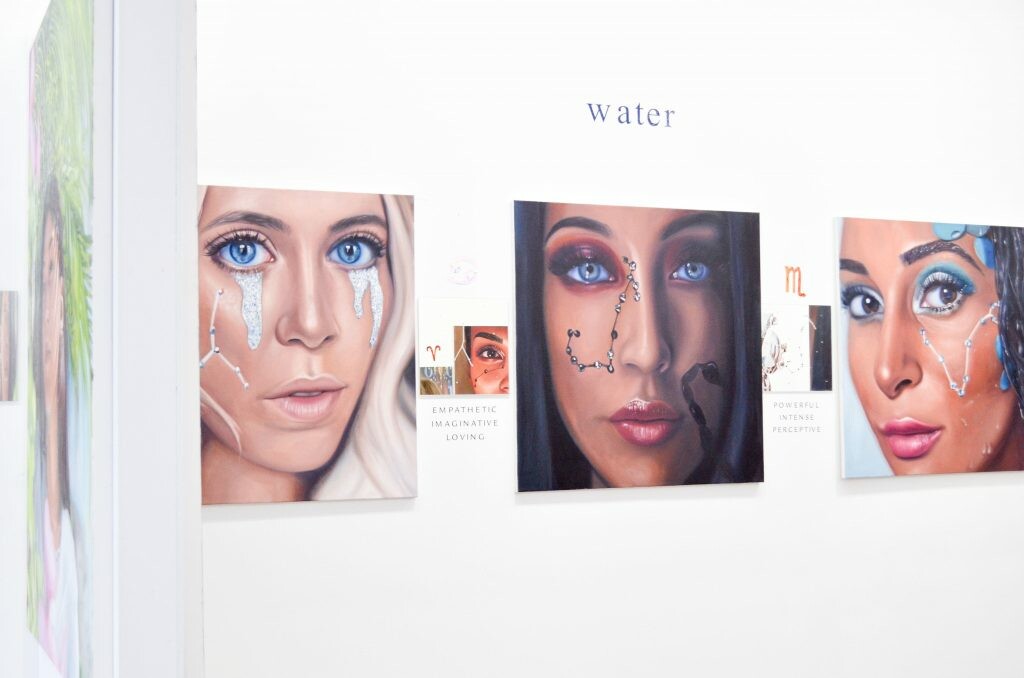
Her week-long show featured 17 original oil paintings inspired by zodiac signs and elemental themes. Rather than relying on traditional gallery representation, Ryan curated the entire experience herself — from layout to audience interaction.
If you’re considering a similar approach, start with our step-by-step guide on how to set up a pop-up art gallery. Julia’s exhibition illustrates how powerful the model can be when executed strategically.
Building an Immersive Exhibition Concept
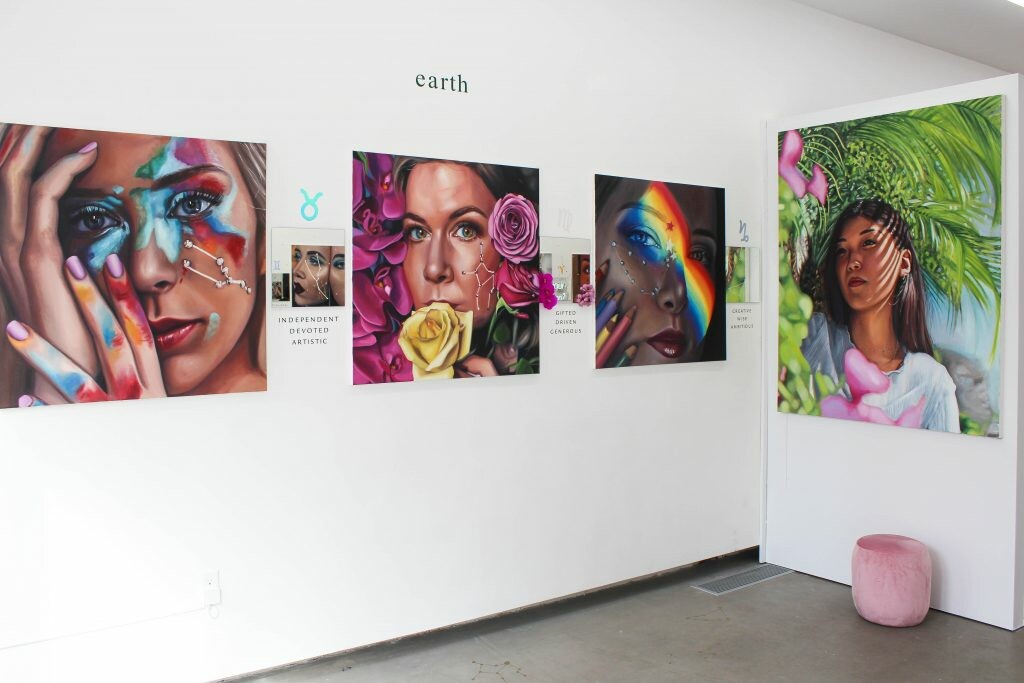
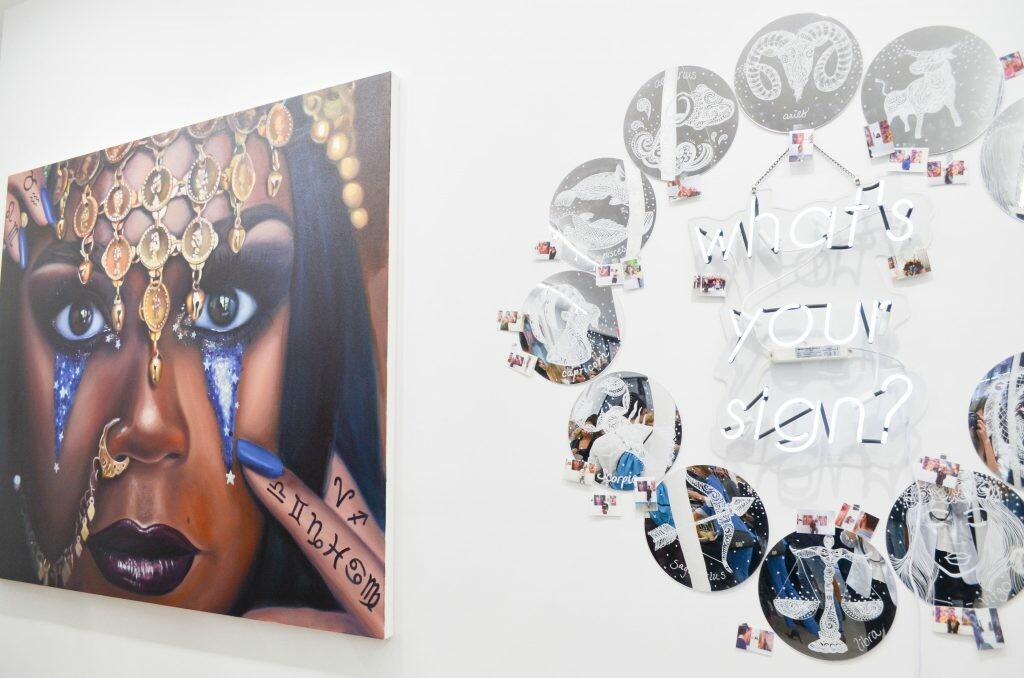
Ryan designed SIGNS as an interactive experience. Each zodiac painting was displayed alongside a mirror, allowing visitors to see themselves reflected next to personality traits associated with their sign.
The goal was to create a customized, immersive setting that enhanced the artwork rather than simply displaying it. By renting a pop-up gallery, she was able to shape every detail of the exhibition environment.
Temporary gallery spaces offer this flexibility. Artists can control lighting, layout, pacing, and audience interaction — without adapting to the rules of a permanent gallery.
Choosing the Right Location
Location was a strategic decision. The exhibition took place in a busy downtown Manhattan neighborhood, close to established cultural institutions, retail traffic, and public transportation.
High foot traffic combined with proximity to other creative venues helped increase visibility. Short-term exhibitions benefit from this kind of concentrated activity, particularly when timed to align with other art events or peak visitor periods.
Artists exploring similar markets can compare available gallery venues in New York and other major art cities to assess location advantages and audience flow.
Why Pop-Up Galleries Matter for Artists
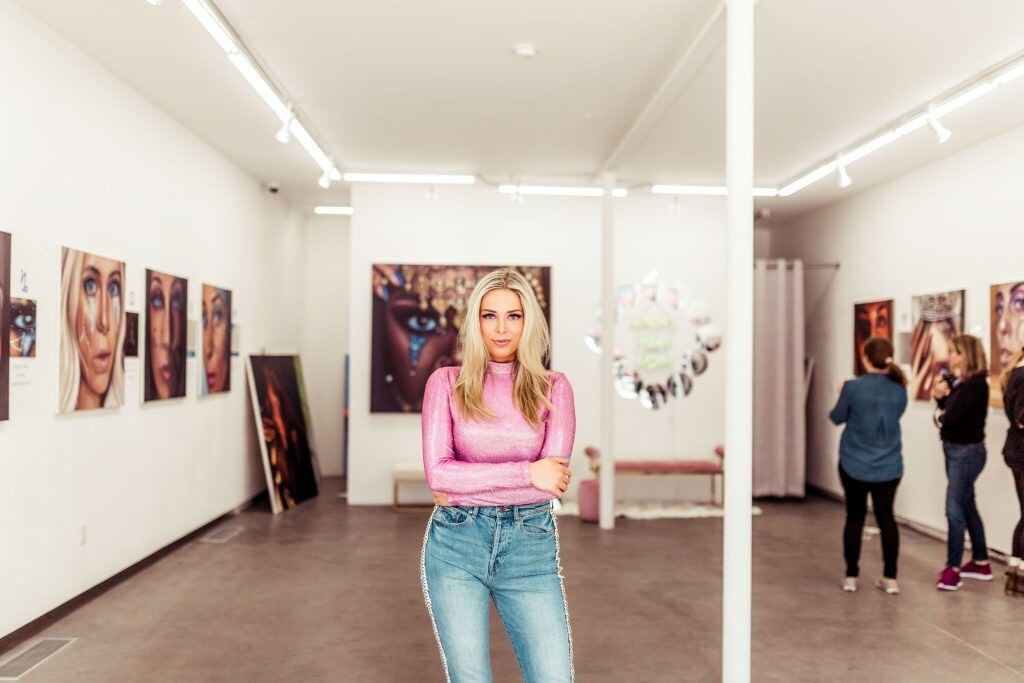
For Ryan, hosting a pop-up exhibition was about independence.
“As an artist it is so important to get your work out into the world and seen. Nowadays artists are less reliant upon galleries to do this for them.”
Rather than waiting for traditional representation, she organized her own gallery-style show and maintained full creative control. This autonomy is one of the defining advantages of the pop-up model.
Short-term rentals allow artists to:
- Launch new collections on their own timeline
- Control branding and presentation
- Interact directly with collectors
- Test pricing and market demand
- Create urgency through limited-time exhibitions
If budget is a concern, many of these benefits can still be achieved efficiently. Our guide on creating a low-budget pop-up art gallery explains how artists can manage costs while maintaining professionalism.
Promotion and Audience Engagement
Ryan promoted her exhibition through social media and coordinated press outreach in advance of the opening. By clearly communicating that the exhibition was temporary, she created urgency around attendance.
This approach aligns with a broader shift in the art industry. As discussed in our analysis of why artists are choosing pop-up galleries over traditional exhibitions, shorter exhibitions often generate stronger initial traffic and concentrated engagement compared to long-running shows.
The combination of interactive design, targeted location, and limited duration helped maximize impact during a focused timeframe.
Launching Your Own Pop-Up Gallery
Julia Ryan’s exhibition demonstrates how pop-up galleries can serve as launch platforms for new work while preserving creative independence.
If you’re ready to explore your own short-term exhibition, you can browse curated art gallery exhibition spaces for rent or compare available venues in cities like New York, London, Paris, Miami, and Milan.
For a complete walkthrough of planning, budgeting, and execution, read our full guide on how to set up a pop-up art gallery. Or read this to understand the cost of renting a gallery.
Pop-up exhibitions give artists the ability to control their narrative, shape the visitor experience, and create momentum — all without long-term commitments.
Looking to rent your own pop-up gallery in Nolita, NYC? Book one today!

Written by
Nicholas Roberts-Moore is Chief Marketing Officer at Storefront, based in London. He specializes in AI-powered marketing and the UK retail and real estate markets, helping brands turn short-term retail into measurable growth. A former journalist, he writes on pop-up strategy, retail trends, and the future of physical retail.
More from Nicholas Roberts-Moore →Related posts:
 How Superfine! Art Fair Uses Temporary Gallery Space to Reinvent the Art Market
 Kanye West Yeezus Tour Pop-Up Store in NYC
 How Birchbox Used a Pop-Up Shop in Chelsea Market to Bring Its Beauty Discovery Experience Offline
 J.Hilburn’s SoHo Pop-Up: A Luxury Menswear Brand Steps Into Physical Retail
 How Indochino Used Pop-Up Showrooms in New York to Introduce Custom Menswear