

Pop-up stores are designed to create impact in a short window of time. While layout, lighting and merchandising shape the in-store journey, packaging is what leaves the space with your customer. It becomes the physical reminder of the experience.
When planning your activation, packaging should not be treated as an afterthought. It is an extension of spatial strategy and brand storytelling. Start by ensuring your environment is built on a strong foundation in our guide to pop up store design, then use packaging to reinforce what customers have just experienced.
Here are three focused strategies to make custom packaging work harder for your pop-up.
1. Use Packaging to Anchor Brand Recall
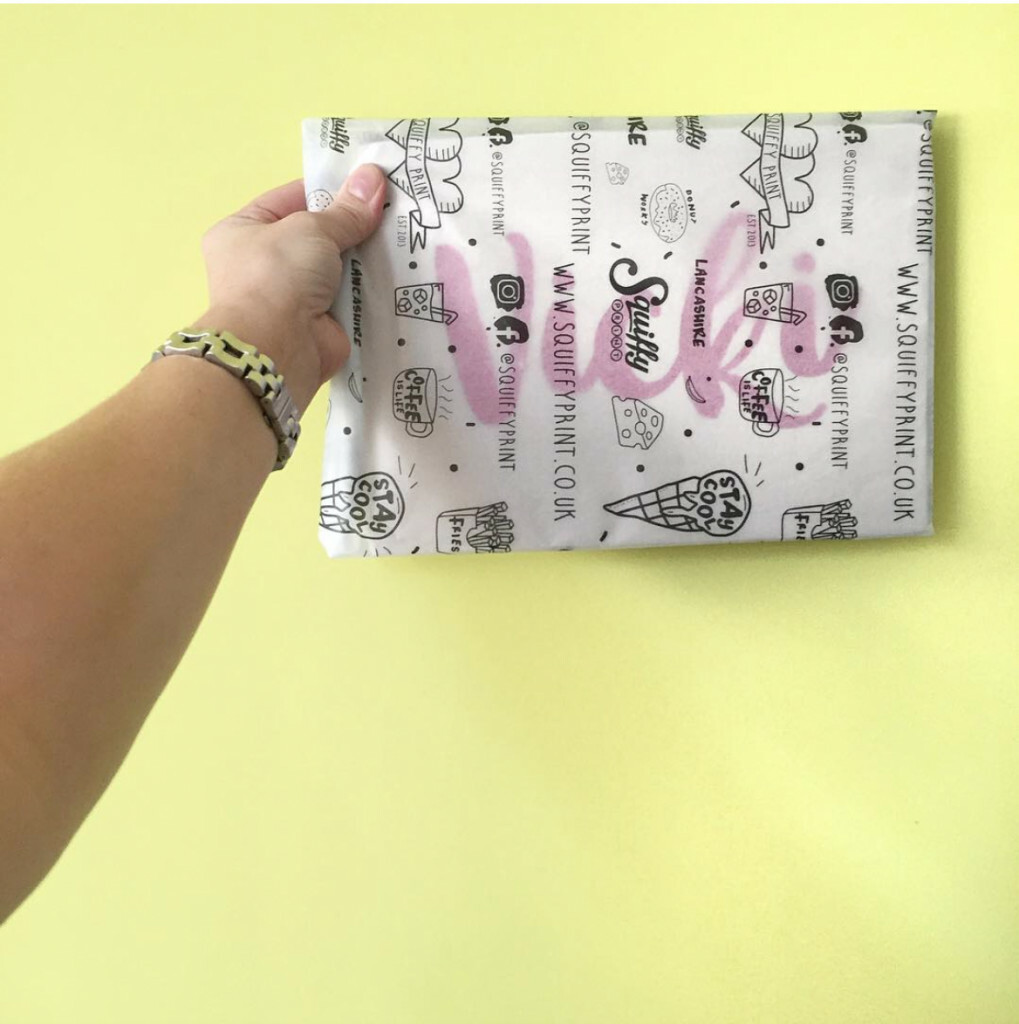
Pop-ups are temporary. Brand memory must not be.
Unlike permanent stores, your activation may only last days or weeks. Once it closes, customers need a clear way to remember who you are and where to find you. Packaging is often the last branded touchpoint before they leave.
To strengthen recall:
- Maintain visual consistency with your in-store design (color palette, typography, tone).
- Include essential brand information such as web address and social handles.
- Ensure the design reflects your positioning — premium, playful, minimalist or sustainable.
For ecommerce and DTC brands, this is especially critical. Packaging bridges the gap between physical interaction and future online purchase. If you’re launching your first physical activation, see our complete guide to bringing your ecommerce brand to life with pop-up stores.
Packaging should function as a portable brand asset, not just a container.
2. Turn Packaging Into Part of the In-Store Experience
Custom packaging should not only appear at checkout. It can also support visual merchandising and interaction inside the space.
Branded boxes, tissue paper, or reusable containers can:
For brands
Ready to launch your pop-up?
Find and book your short-term retail space with Storefront.
Find a space- Elevate perceived product value.
- Serve as display elements within shelving or tables.
- Encourage customers to handle and explore products.
When integrated thoughtfully, packaging contributes to atmosphere and engagement. This aligns with broader experiential retail principles, where every detail supports immersion and emotional connection. For more on how brands use physical environments to create memorable interactions, explore our insights on experiential retail and retailtainment.
In a temporary space, cohesive details matter. Packaging should reinforce the narrative your layout and displays have already introduced.
3. Design Packaging Customers Want to Keep
Most packaging is discarded quickly. In a pop-up context, that means losing one of your strongest post-visit branding tools.
Instead, consider reusable or collectible packaging formats such as:
- Branded tote bags.
- Durable boxes or cylinders.
- Minimalist designs customers repurpose at home.
Reusable packaging extends brand visibility beyond the store and into daily life. It also aligns with growing consumer expectations around sustainability and waste reduction.
For brands operating in competitive retail cities, this can amplify exposure organically. A well-designed tote or reusable container becomes mobile advertising long after your pop-up closes.
Bringing It All Together
Custom packaging in a pop-up store is not about excess. It is about strategic reinforcement.
It should:
Support brand recall
Enhance in-store engagement
Extend visibility beyond the activation
When packaging aligns with spatial design and experiential intent, it strengthens the overall impact of your temporary retail presence.
In short-term retail, every touchpoint counts. Packaging is often the one that lasts longest.
If you’re looking for a pop-up store or event space for your next activation browse the Storefront platform today.

Related posts:
 What is a pop-up shop? Everything you need to know to try short-term retail
 How to Set Up a Pop-Up Art Gallery: 8 Steps to Renting and Launching Your Exhibition
 Offline Marketing Ideas for Pop-Up Shops
 The 5 Types of Pop-Up Shops (With Examples) & How to Choose the Right One
 Automotive Pop-Up Shops: How Car Brands Use Temporary Showrooms to Launch, Test and Sell