

Digitally native vertical brands (DNVBs) are structurally built to succeed in pop-up retail.
Because they control product development, pricing, branding, and the entire customer journey, DNVBs can use temporary physical spaces as powerful growth engines — not just short-term sales channels.
If you’re new to physical retail, start with our complete guide to bringing your ecommerce brand to life with pop-up stores.
This article goes deeper: why vertically integrated, digital-first brands have a distinct advantage when activating offline.
What Makes DNVBs Different?
Digitally native vertical brands are companies that:
- Were born online
- Sell directly to consumers
- Control their supply chain
- Own their customer data
- Shape every element of the brand experience
Unlike traditional wholesale brands, DNVBs don’t rely on third-party retailers to reach customers. That level of control gives them flexibility, margin protection, and speed — three critical advantages in pop-up retail.
For a full breakdown of how pop-ups work, see: What Exactly Is a Pop-Up Shop?
Why Pop-Ups Work Especially Well for DNVBs
Pop-up retail isn’t just a marketing experiment for DNVBs. It aligns directly with their business model.
Here’s why:
1. They Already Own the Customer Relationship
DNVBs are powered by first-party data.
They know:
- Who their customers are
- What they buy
- How often they purchase
- What messaging converts
A pop-up deepens that relationship offline.
Instead of selling through intermediaries, DNVBs can:
- Capture emails and SMS signups
- Drive app downloads
- Offer loyalty perks
- Collect real-time product feedback
- Encourage repeat online purchases
Physical retail becomes an extension of owned marketing channels — not a replacement for them.
2. Vertical Integration Reduces Retail Risk
Because DNVBs control production and margins, they can afford to test.
Pop-ups allow them to:
- Validate demand in new cities
- Trial limited-edition drops
- Experiment with pricing
- Assess product-market fit
- Measure offline-to-online lift
Rather than committing to long-term leases, brands can launch short-term retail activations in major markets like:
If you’re evaluating financial feasibility, review our full breakdown: How Much Does a Pop-Up Shop Cost?
3. DNVBs Are Built for Brand Storytelling
Many DNVBs grow through:
- Social media communities
- Founder-driven narratives
- Influencer partnerships
- Content-led marketing
A pop-up becomes a physical stage for that story.
Instead of simply displaying products, DNVBs can create:
- Immersive brand environments
- Interactive demos
- Community events
- Styling sessions
- Limited-time drops
This transforms retail from transactional to experiential.
For a broader overview of why brands invest in temporary retail, see: The Business Benefits of Pop-Up Shops
4. Faster Feedback Loops Than Online Alone
Ecommerce data shows clicks and conversions.
Physical retail shows behavior.
In a pop-up environment, DNVBs can observe:
- What customers gravitate toward
- Where hesitation occurs
- Which products spark conversation
- What objections surface repeatedly
Because DNVBs control product and manufacturing, they can quickly apply these insights to:
For brands
Ready to launch your pop-up?
Find and book your short-term retail space with Storefront.
Find a space- Future collections
- Website merchandising
- Email campaigns
- Paid acquisition strategy
This creates a powerful omnichannel feedback loop.
5. Higher Margins Create More Flexibility
DNVBs eliminate wholesale intermediaries. That typically means stronger margins.
Those margins allow brands to:
- Invest in premium locations
- Create visually impactful installations
- Offer exclusive in-store experiences
- Experiment with limited-time activations
Without long-term overhead, pop-ups offer upside without permanent risk.
If you’re ready to explore available spaces, browse short-term retail options on Storefront
Real-World DNVB Pop-Up Success
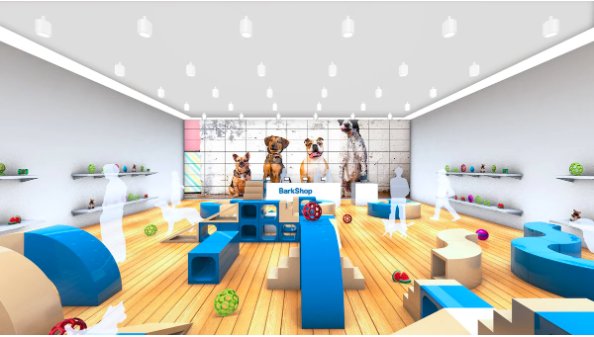
Many digitally native brands have used pop-ups as strategic growth levers.
For example:
- Subscription-based brands have created tech-enabled retail activations that blend ecommerce with in-person engagement.
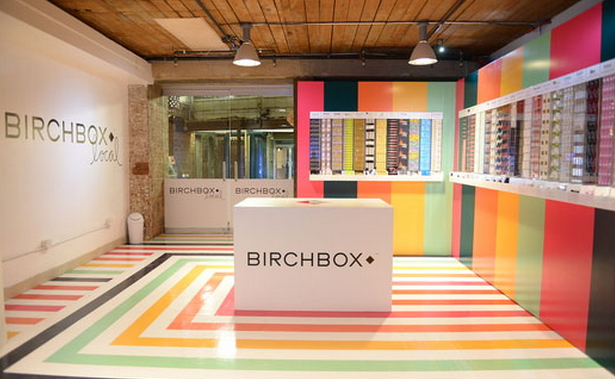
- Beauty DNVBs have launched touring pop-ups to test cities before committing to permanent storefronts.
- Lifestyle brands have activated around cultural moments to generate press, influencer coverage, and social traction.
You can explore detailed examples in our roundup: 5 Ecommerce Brands Who Launched a Pop-Up Store
These examples show a consistent pattern: digital-native brands don’t treat pop-ups as standalone stores — they use them as strategic growth tools.
From Online-Only to Omnichannel
As consumer expectations evolve, the most successful DNVBs move beyond being “online-only.”
Customers increasingly want:
- To try before they buy
- To engage with brands in person
- To participate in community experiences
- To blend online convenience with physical interaction
Pop-ups serve as the bridge.
For a tactical roadmap, read our full guide: How to Open a Pop-Up Store
DNVB Pop-Ups as a Market Expansion Strategy
Temporary retail also allows DNVBs to expand intentionally.
Instead of launching permanent retail immediately, brands can:
- Enter new international markets
- Test secondary cities
- Activate around major events
- Validate demand before scaling
Because DNVBs are digitally sophisticated, they can amplify their pop-up with:
- Geo-targeted ads
- Email campaigns
- Influencer collaborations
- Real-time social content
This creates a measurable omnichannel lift — driving both in-store and online sales.
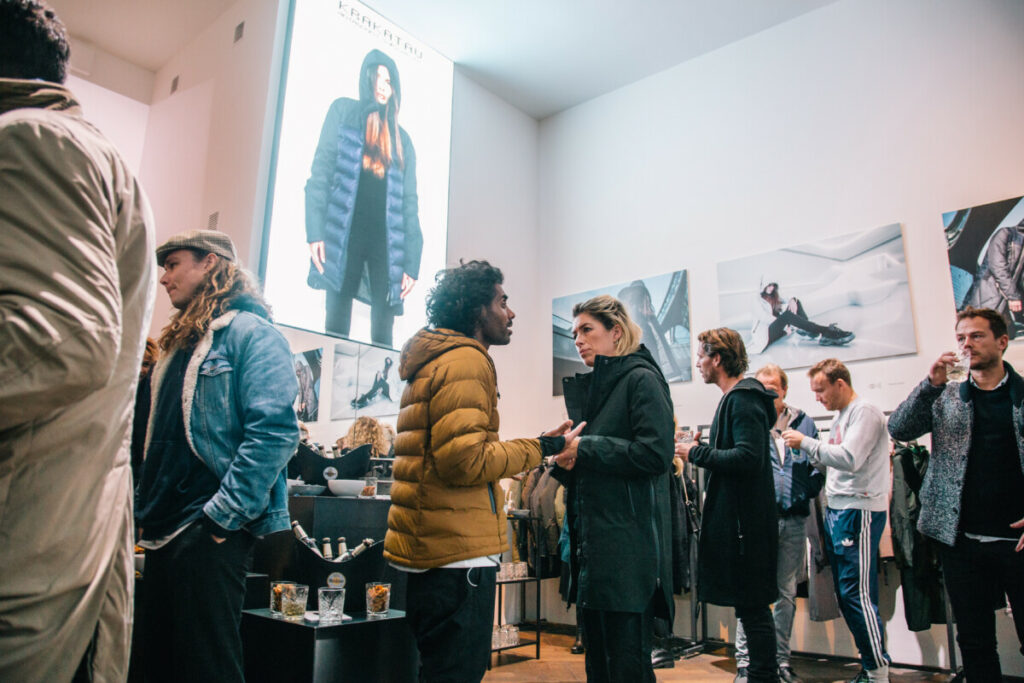
The DNVB Advantage in Physical Retail
Pop-ups are not a departure from the DNVB model. They are a natural extension of it.
Digitally native vertical brands are uniquely equipped to use temporary retail as:
- A customer acquisition channel
- A data collection engine
- A brand-building platform
- A market-testing lab
- A revenue driver
If you’re exploring whether physical retail makes sense for your brand, start with our comprehensive overview: The Complete Guide to Ecommerce & DTC Brands Opening Pop-Up Shops
Then explore available spaces and bring your brand offline — strategically.
Further reading: Using Pop-Up Shops in London to Drive Online Sales (DTC Growth Strategy).
For brands
Ready to launch your pop-up?
Find and book your short-term retail space with Storefront.
Find a space
Written by
Nicholas Roberts-Moore is Chief Marketing Officer at Storefront, based in London. He specializes in AI-powered marketing and the UK retail and real estate markets, helping brands turn short-term retail into measurable growth. A former journalist, he writes on pop-up strategy, retail trends, and the future of physical retail.
More from Nicholas Roberts-Moore →Related posts:
 Pop-Up Shop Marketing: How to Promote and Grow a Successful Pop Up
 The Chinese Retail Market: Pop-up Stores and Massclusivity
 4 Reasons You Should Recommend a Pop-Up Store to Your Clients
 3 Retail Tech Trends Your Pop-Up Shop Needs This Holiday Season
 What Is Phygital Retail? Meaning, Examples and How It Works