
SoHo, short for “South of Houston Street,” is one of Manhattan’s most recognisable neighbourhoods. Known for its cast-iron architecture, art galleries and flagship fashion stores, it has evolved from an industrial district into one of the most commercially powerful retail corridors in New York City.
Located north of Tribeca and west of Little Italy, SoHo sits at the centre of downtown Manhattan. Today it is recognised not only as a cultural landmark, but as one of the most sought-after areas for pop-up shops, brand activations and short-term retail concepts in NYC.
For brands considering a presence in Manhattan, SoHo consistently ranks as one of the strongest locations for visibility, foot traffic and commercial impact.
Looking to launch in the neighbourhood? You can browse available retail space for rent in SoHo to see current opportunities.
From Industrial District to Retail Powerhouse
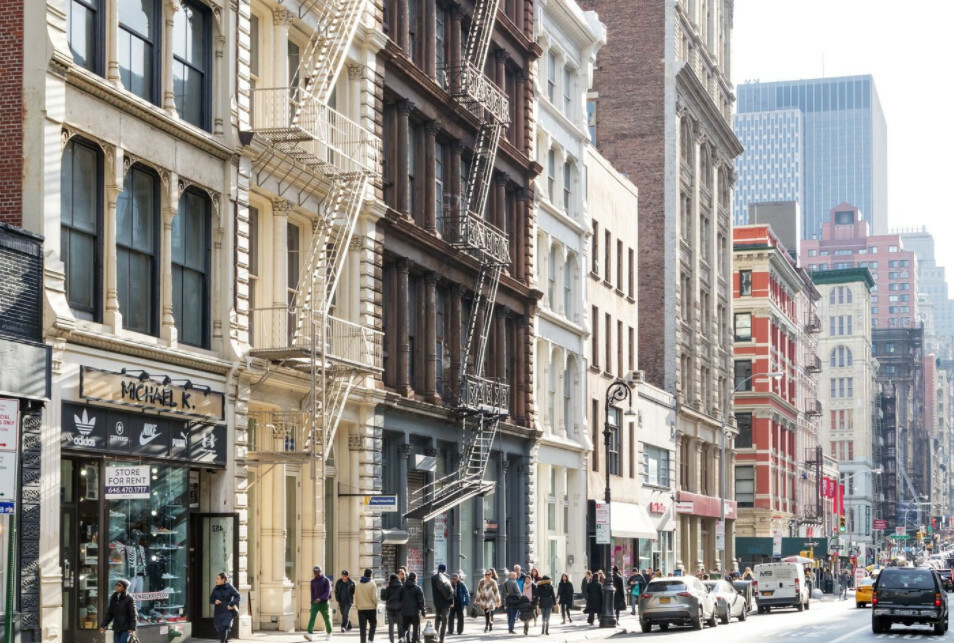
In the late 19th century, SoHo was a dense manufacturing hub. Warehouses and factories dominated the streetscape, and the area was once known as “Hell’s Hundred Acres.” During the mid-20th century, artists began converting industrial lofts into studios, drawn by affordable rents and large open spaces.
By the 1980s and 1990s, fashion brands and luxury retailers began moving in. Today, SoHo blends heritage architecture with global retail names, independent designers, galleries and experiential storefronts. It has become one of the most recognisable shopping districts in New York.
That retail evolution is exactly why SoHo now attracts a significant share of New York’s pop-up activity each year.
Why SoHo Is One of NYC’s Top Pop-Up Shop Locations
SoHo’s appeal for short-term retail comes down to three core factors: visibility, audience and reputation.
The neighbourhood attracts a mix of tourists, fashion-conscious shoppers, creative professionals and affluent residents. Broadway, Spring Street, Prince Street and Greene Street generate consistent pedestrian flow throughout the week, with peaks during weekends, holiday seasons and Fashion Week.
For emerging brands, SoHo offers instant credibility. For established brands, it provides high-impact exposure in one of the most photographed retail districts in Manhattan.
If your objective is maximum visibility, you can explore current pop-up spaces in SoHo and compare sizes, layouts and pricing in real time.
Best Streets for Retail in SoHo
Best Streets for Retail in SoHo
Broadway
Broadway is SoHo’s main retail artery. Large storefronts, strong frontage and high ceilings make it ideal for large-scale pop-up shops and flagship-style activations. Prime daily rates often range from approximately $3,000 to $4,000 depending on size, frontage and condition. You can explore current retail availability on Broadway in SoHo.
Spring Street
Spring Street blends fashion retailers and independent brands. Smaller rentals may begin around $600 per day, while large, multi-level spaces can exceed $12,000 depending on location and fit-out.
Prince Street
Prince Street attracts heavy tourist flow and performs well for consumer brands targeting walk-in traffic and impulse purchases. You can view available retail spaces on Prince Street in SoHo.
Greene Street and West Broadway
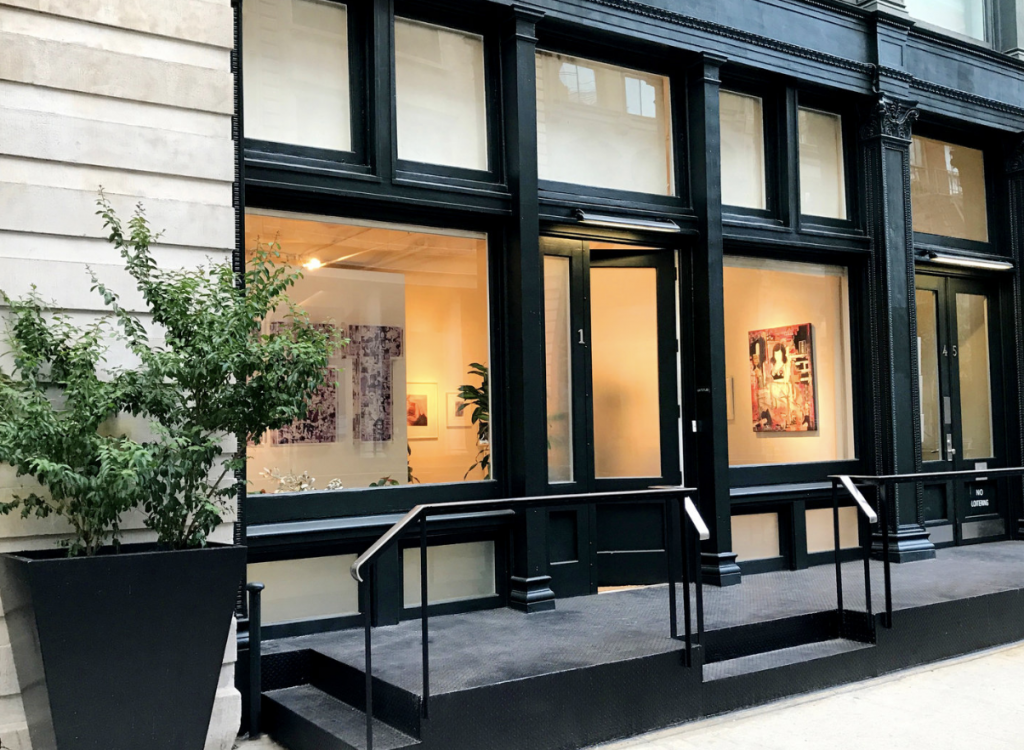
These streets often feature cast-iron buildings and boutique-style layouts, making them suitable for fashion launches, design-led concepts and experiential retail. You can view available retail spaces on Greene Street in SoHo.
Inventory across these streets changes frequently, so reviewing live availability is essential. You can view updated options via the SoHo retail search page.
Retail Space Sizes and Pricing in SoHo
SoHo’s short-term retail inventory varies significantly depending on frontage, layout and interior condition. Available spaces typically range from 550 sq ft to 5,000 sq ft or more.
Typical formats include:
- Small spaces (100–500 sq ft) for product launches or capsule activations
- Medium spaces (500–2,000 sq ft) for full pop-up shop concepts
- Large spaces (3,000–5,000+ sq ft) for immersive brand experiences
Across the neighbourhood, many short-term retail opportunities average around $2,500 per day. Premium Broadway storefronts may command higher daily rates, while more intimate side-street boutiques can offer lower entry points.
While SoHo carries a price premium compared to some other neighbourhoods, the trade-off is concentrated foot traffic and brand positioning. If you are evaluating alternatives across the city, you can compare broader pop-up spaces in NYC.
Brands That Have Launched in SoHo
SoHo supports a wide mix of retail concepts, including fashion, beauty, wellness, technology and experiential marketing.
Storefront has supported numerous brands launching pop-ups in SoHo, including:
- FILA’s heritage activation
- Creative agency collaborations such as the Popsugar at Kohl’s pop-up
- Experiential retail concepts like Lycored’s immersive brand experience
- Fashion activations such as J. Hilburn’s SoHo pop-up
You can explore more real-world examples in our US success stories archive.
For brands still planning their entry into New York, our guide on how to start a pop-up shop in New York outlines timelines, budgeting and execution considerations.
Regulations and Planning Considerations
Opening a pop-up in Manhattan requires attention to permits, licensing and compliance. Requirements vary depending on the type of goods sold and whether food, alcohol or events are involved.
Before securing a space, review New York’s regulatory framework in our detailed guide to pop-up shop regulations, permits and licences.
If you are comparing multiple neighbourhoods, our overview of renting in SoHo, LES or Chelsea breaks down the key commercial differences.
For a broader perspective beyond New York, you can also read our guide on how to open a pop-up store
Who Should Consider Opening a Pop-Up in SoHo?
SoHo works particularly well for:
- Brands entering the US market
- Online-first brands testing physical retail
- Fashion labels launching seasonal collections
- Companies seeking high-visibility experiential activations
Because inventory turns quickly, the most accurate way to assess suitability is by reviewing live availability. You can browse current retail space for rent in SoHo and filter by size, budget and duration.
Frequently Asked Questions
What is SoHo known for?
SoHo is known for its cast-iron architecture, art galleries, fashion retailers and reputation as one of New York’s most iconic shopping districts.
Why is SoHo popular for pop-up shops?
SoHo combines high pedestrian traffic, strong retail infrastructure and international brand recognition, making it ideal for short-term retail and experiential activations.
How much does it cost to rent retail space in SoHo?
Short-term pricing varies widely depending on location and size. Smaller spaces may begin around $600 per day, while premium storefronts can exceed $12,000 per day. Many opportunities average around $2,500 daily.
Where is SoHo located?
SoHo is located in Lower Manhattan, south of Houston Street and north of Tribeca.
Ready to Launch a Pop-Up in SoHo?
SoHo remains one of the most competitive and high-impact retail districts in New York City. Whether you are testing a new product line, entering the US market or building brand awareness, the neighbourhood offers strong visibility and commercial potential.
To explore live availability and compare options, view Storefront’s pop-up spaces in SoHo.

- SoHo NYC Neighborhood Guide: Retail, Fashion & Pop-Up Shop Opportunities - March 3, 2026
- New York Fashion Week Reinvents Itself - July 18, 2018
Related posts:
 Storefront Guide: Paris Fashion Week Showrooms in Le Marais
 Storefront Guide: Pop-Up Stores in Central, Hong Kong
 Williamsburg Neighborhood Guide: Pop-Up Shops, Creative Spaces, and Event Venues in Brooklyn
 Hollywood Neighborhood Guide: Pop-Up Shops, Event Spaces, and Showrooms in Los Angeles
 Shoreditch Neighborhood London Guide: London’s Hipster Hangout and Pop-Up Capital