

Hell’s Kitchen is the practical answer to a Midtown brief. It sits between the Theater District and the Hudson, and rents sit well below Midtown proper a few blocks east while the audience overlaps substantially. For a food or evening format that wants Midtown access without Midtown cost, that trade is the whole argument.
It is also our largest inventory on the West Side. See what is currently available across Hell’s Kitchen and Midtown West.
What it is not is a shopping street. The retail here runs along Ninth and Tenth Avenues as a long restaurant strip, and a brief that treats it as a conventional high street will be disappointed by the footfall and confused by the tenant mix.
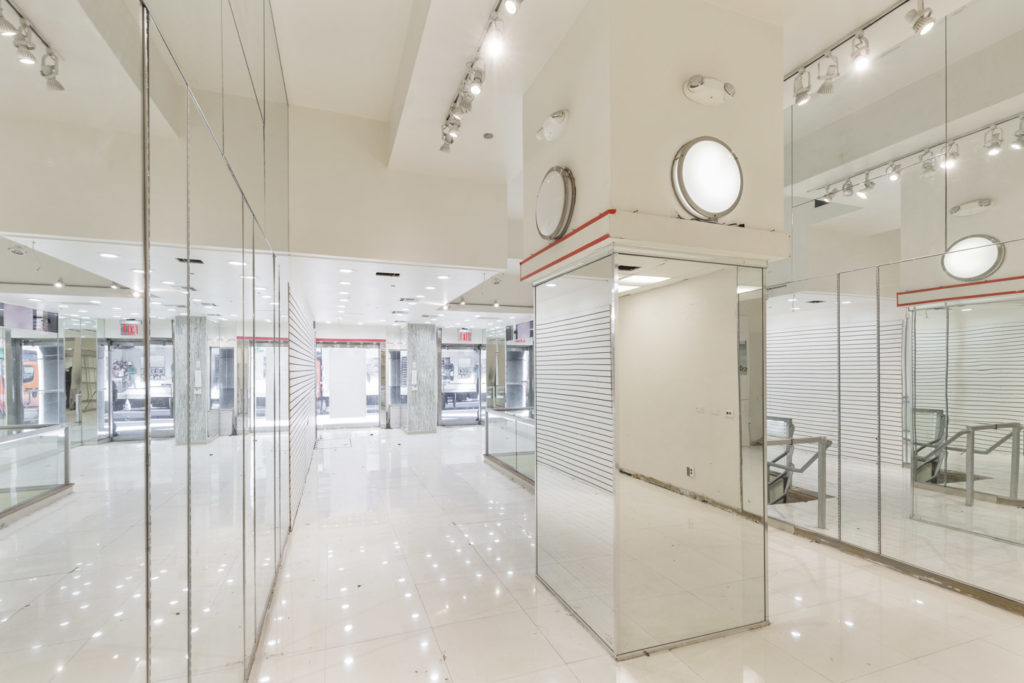
Ninth Avenue, and why this is a food district
Ninth Avenue through Hell’s Kitchen is one of the densest restaurant corridors in Manhattan, and it hosts a long-running street food festival. That density is the district’s defining commercial fact. The neighborhood combines a dense residential population with the theater and hotel trade to its east, and the result is a corridor that trades on eating and drinking rather than browsing.
If you are launching a food or drink product, this is one of the strongest addresses in Manhattan for it, and one of the few where the surrounding businesses actively help rather than compete. See retail and pop-up space in Hell’s Kitchen or widen to food space across New York.
Tenth Avenue
Carries the same restaurant character with lower rents and thinner passing trade the further west you go. It suits a destination that people are coming to find rather than one catching people on the way somewhere.
Restaurant Row
West 46th Street between Eighth and Ninth Avenues is known as Restaurant Row and serves the theater audience before and after performances. Its trade is concentrated into two narrow windows an evening, which is excellent if your format fits them and punishing if it does not.
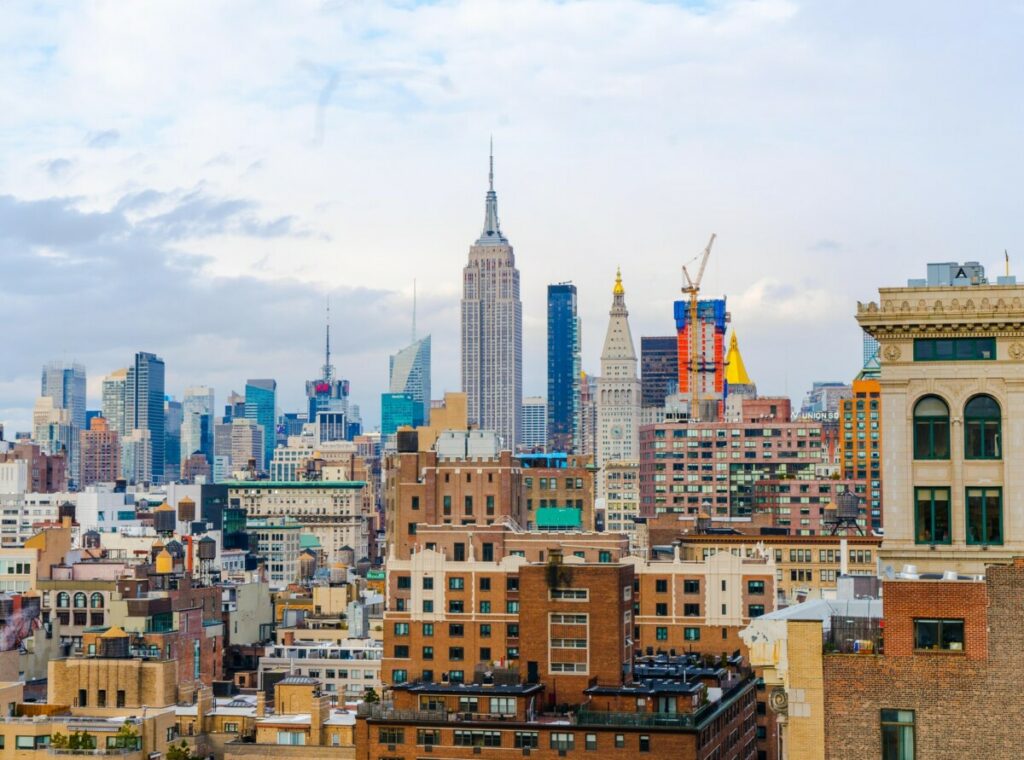
The theater economy, and the zoning that comes with it
The Theater District covers the blocks around Times Square and sets the area’s evening pattern, with audience footfall concentrated before and after performances. On the cross-streets in the forties, trade concentrates sharply before curtain, at intervals and immediately after, and is thin in between. Shopping hours are largely irrelevant here; curtain times are not.
There is a zoning consequence most briefs miss. The Theater Subdistrict of the Special Midtown District exists to preserve the blocks around Times Square as an entertainment quarter, and it places specific restrictions on what ground floor space may be used for. That shapes which uses can take a unit there at all, so establish what is permitted for your format before you fall in love with an address.
For an evening or launch format the district works well. See event space in Hell’s Kitchen.
Times Square is next door, and it is a different business
Times Square sits immediately east and it is worth understanding precisely, because brands routinely confuse the two.
Times Square regularly sees between 200,000 and 250,000 pedestrians a day, and on the busiest days counts reach as high as 330,000, according to the district’s own market research. It delivers the highest pedestrian volume in the country and one of the lowest conversion rates. Almost everyone is a visitor, moving, and looking up rather than into windows.
It is bought as a media placement with a retail floor attached, not as a shop. It is also the one place in New York where illuminated signage is not merely permitted but required by zoning, with minimum standards for the size and brightness of displays set against the length of your frontage. A quiet frontage there is non-compliant as well as invisible.
If that is genuinely your brief, see Times Square. If it is not, the blocks west of Eighth Avenue give you the same city at a fraction of the cost.
The transport, and what it actually delivers
The busiest station serving this area is Times Square-42nd Street and Port Authority Bus Terminal, one of the three busiest in Manhattan by annual ridership. Times Square-42nd Street is the busiest in Manhattan by a wide margin, with Grand Central second and 34th Street-Herald Square third. Those three set the ceiling against which every other location in the city should be read.
The bus terminal on Eighth Avenue is the busiest in the country and delivers a large commuter and intercity flow to the western edge of the Theater District. That crowd is quite different in profile and spending from the plazas two blocks east, and rents reflect it. Do not assume the volume converts the same way.
The wider district is served by the 34th Street-Hudson Yards, 34th Street-Penn Station, 42nd Street-Bryant Park, 42nd Street-Port Authority Bus Terminal, 47-50th Streets-Rockefeller Center, 49th Street, Fifth Avenue, 50th Street, 59th Street-Columbus Circle, 66th Street-Lincoln Center, Seventh Avenue and Times Square-42nd Street stations.
One date to avoid
New Year’s Eve in Times Square is a fixed annual gathering on 31 December with crowd control that closes a wide area from the afternoon onward. For anything in or near the square it is a day of no vehicle access and heavily restricted pedestrian movement rather than a trading opportunity. If your let spans it, plan to be closed and plan your deliveries around it.
Hell’s Kitchen compared
- Versus the Garment District. Directly south, and a trade district rather than a consumer one. Go there for showroom floors, come here for street-level food and evening formats.
- Versus Chelsea. Chelsea has the large gallery floors and the art calendar. Hell’s Kitchen has the restaurant density and the theater audience. Different buyers entirely.
- Versus Hudson Yards. New-build and mall-format on the far West Side, where retail sits inside buildings on scheme terms rather than on a street. One counterparty and one set of rules, which some brands want and others do not.
- Versus Midtown proper. The audience overlaps heavily. The rent does not.
Our ranking of the best New York neighborhoods for a pop-up shop sets the whole city side by side.
Common questions
Is Hell’s Kitchen good for a pop-up shop?
For food, drink and evening formats, yes, and it is unusually good value for the audience it reaches. For conventional daytime retail it is weak: the avenues trade as a restaurant strip rather than a shopping street, and the footfall is residential and theater-driven rather than browsing.
Where does Hell’s Kitchen actually begin and end?
It sits west of the Theater District and runs to the Hudson, with the theater blocks and Times Square to its east and Hudson Yards to the south. We list it together with Midtown West, which is how most briefs treat it in practice.
Is it cheaper than Midtown?
Meaningfully, yes. Rents sit well below Midtown proper a few blocks east while the audience overlaps substantially, which is the main reason a food or evening format takes space here rather than there.
Should I take space in Times Square instead?
Only if you are buying visibility rather than sales. It carries the highest pedestrian volume in the country and one of the lowest conversion rates, and zoning requires you to fit illuminated signage. It is a media buy with a floor attached.
What is Restaurant Row?
West 46th Street between Eighth and Ninth Avenues, serving the theater audience before and after performances. Trade is concentrated into two short windows each evening.
Where to look next
Browse retail and pop-up space in Hell’s Kitchen, event space, showrooms and art and gallery space in the district.
If you are planning the project rather than the location, start with our guide to opening a pop-up shop in New York, or see short-term retail space across New York.

Written by
Adrien Kerbrat is Chief Revenue Officer and co-founder of Storefront. With more than 10 years in commercial real estate, he is an expert on the French market and short-term retail across Europe. Based in Bordeaux and often in Paris, he writes on pop-up strategy, retail location, and the French retail landscape.
More from Adrien Kerbrat →Related posts:
 SoHo Shopping Guide: The Streets, the Stores and Taking Space in New York
 Nolita NYC Guide: Shopping, Streets and Short-Term Space
 Chelsea London Area Guide: The Complete Chelsea Shopping Guide for Brands and Pop-Up Shops
 Hollywood Neighborhood Guide: Pop-Up Shops, Event Spaces, and Showrooms in Los Angeles
 The Ultimate Guide to Launching a Successful Pop-Up Shop in Dubai