We use cookies and similar technologies to track your activity and improve your experience.
Sort by
Recommended
See on map

See on map

See on map

See on map
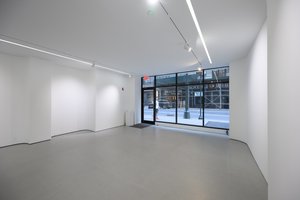
Creative Space
∙
New York
1,000 sq ft
from $2,880 per day
See on map

Event Space
∙
New York
1,100 sq ft
from $3,000 per day
See on map

Photo / Filming Studio
∙
New York
385 sq ft
from $3,840 per day
See on map

Event Space
∙
New York
200 sq ft
from $5,940 per day
See on map

Short-Term Commercial Space in Midtown New York
Browse by location: Short-term commercial space in Broadway (Midtown), New York ; Short-term commercial space in 42nd Street, New York ; Short-term commercial space in 45th Street, New York
Midtown carries the densest weekday and visitor footfall in New York, with the city's largest concentration of offices, hotels and flagship stores. Short-term commercial space in Midtown New York suits brands that need reach: the audience is already here, moving through transit hubs, office lobbies and tourist corridors seven days a week. Temporary commercial space across these blocks lets a brand test the New York market, run a launch or activate around a tentpole event without signing a long-term lease. Flexible commercial space is available from a single day to several months, and the range of corridors means there is a match for most budgets and formats.
Midtown corridors and what each one delivers
Midtown is not one market. Each corridor draws a different crowd at different hours, and the right choice depends on who a brand needs to reach.
-
Times Square and the Theater District (42nd to 50th Street, Seventh to Ninth Avenue): Times Square is the one place in New York where illuminated signage is not merely allowed but required by zoning. The audience skews tourist and entertainment, with foot traffic running strong from late morning through the evening theater hours. Consumer brands, experiential activations and entertainment launches fit here.
-
Grand Central area (42nd to 48th Street, Lexington to Madison Avenue): Grand Central Terminal is one of the busiest transport hubs in the United States and holds a retail concourse and market of its own. The surrounding blocks serve a weekday commuter and corporate audience. B2B activations, corporate gifting and premium food concepts perform well in this pocket.
-
Fifth Avenue and 57th Street: Fifth Avenue is the most expensive retail address in New York, with the global flagships concentrated in the 50s. 57th Street between Fifth and Park is a luxury retail and gallery corridor and one of the few Midtown cross-streets with genuine shopping traffic on both sides.
-
Rockefeller Center and Bryant Park: Rockefeller Center is a privately managed commercial complex with its own retail concourse. Bryant Park sits behind the New York Public Library and hosts the city's largest holiday market, drawing sustained footfall to the surrounding blocks from late autumn. Both anchor the middle of Midtown with year-round destination traffic.
-
Hell's Kitchen (42nd to 59th Street, Ninth to Eleventh Avenue): A creative and food-focused stretch with rates well below the core avenues. Brands running food sampling, independent retail or community activations benefit from a younger, local audience.
For a different profile entirely, SoHo draws a fashion-forward, weekend-weighted crowd in a curation-first environment, while the Lower East Side suits emerging and independent labels.
Midtown East versus Midtown West
The split runs along Fifth Avenue and shapes nearly everything about when and how a space trades.
Midtown East, stretching from Fifth Avenue toward the East River, is office-dominated. Lexington and Park Avenue host headquarters of major financial and professional services firms. Foot traffic peaks sharply on weekdays and drops on weekends. Short-term retail space here works for B2B activations, product demonstrations aimed at professional buyers and corporate gifting.
Midtown West, running from Sixth Avenue to the Hudson, blends hotel guests, theater audiences and tourist traffic. The Theater District, Hell's Kitchen and the blocks near Penn Station generate consistent seven-day footfall. Consumer brands, food and beverage sampling and entertainment-adjacent retail fit this side.
A brand choosing between the two is choosing between a weekday corporate audience and a seven-day consumer audience, and the rates reflect that difference.
When demand peaks
Midtown's booking calendar follows a few reliable cycles.
-
Holiday season (late October through early January): The highest-demand window. Bryant Park's holiday market opens, the Rockefeller Center tree draws crowds from early December into January, and the department store holiday windows along Fifth Avenue generate slow-moving pedestrian traffic that helps some formats and blocks others. The surrounding blocks of Midtown carry crowds through that whole period that make ordinary movement slow.
-
Fashion weeks (February and September): Showroom activity clusters around New York Fashion Week and concentrates in the Garment District, SoHo and Chelsea. Midtown spaces near the avenues pick up overflow demand for brand suites and press appointments.
-
Spring art fairs (March and May): The Armory Show in March and Frieze New York in May bring international collectors, press and gallery traffic to the city. Brands activating around these events take temporary space across Midtown and downtown.
-
Back-to-school (August into September): The American school year begins in late August or early September, and the back-to-school trade sits in August. The city refills through the first half of September in one of the sharpest calendar upswings of the year.
-
Post-holiday trough (January into February): The weeks after the holidays combine spending fatigue with the coldest weather. Rates for short lets are at their most negotiable, which is the compensation for lower footfall.
Demand for short-term space in New York also lifts around Thanksgiving and Black Friday at the end of November, Halloween through September and October, and Valentine's Day on 14 February.
How foot traffic moves through the day
Midtown's foot traffic is not constant, and matching an activation to the right window matters.
The morning commute fills the Grand Central and Penn Station corridors from around 8am. Lunch hours, roughly 11:30am to 2pm, push office workers onto the avenues and into Bryant Park. Late afternoon brings a second wave as the workday ends. By early evening, the audience shifts: Times Square and the Theater District pick up pre-show and dining crowds that hold until late at night.
Weekends thin out Midtown East considerably but keep Times Square, Rockefeller Center and Fifth Avenue busy with tourists and visitors. The New York subway runs twenty-four hours a day, every day, so a late event does not have to plan how its audience gets home.
In summer, Manhattan empties on Friday afternoons. The convention of leaving early between Memorial Day and Labor Day is widespread enough to plan around, making Friday the weakest summer weekday in the business districts.
Use cases that fit Midtown
-
Fashion and apparel pop-ups along Broadway and the avenues, timed to the February and September fashion week cycles
-
Tech and product launches in Midtown East, targeting corporate buyers and the professional press
-
Food and beverage sampling on tourist corridors near Times Square and around 42 Street
-
Beauty and wellness activations in Koreatown and along Fifth Avenue
-
Experiential brand events in the Theater District, where evening foot traffic extends operating hours
-
Sample sales taking raw or temporary space for a few days to sell through stock, one of the largest single uses of short-term retail space in New York
Browse the full Retail Space for Rent hub to compare current listings across price tiers and formats.
Choosing the right block
Avenues carry through-traffic and larger-format retail. The numbered cross-streets between them carry smaller, more independent units. Two addresses one block apart can be completely different retail propositions, and a corner unit with two frontages is priced and let accordingly.
Broadway through Midtown runs diagonally across the grid and is dominated by Times Square and the theaters, so it functions as a tourist and entertainment corridor rather than a shopping one. A claim that holds for Broadway in SoHo is usually not true forty blocks north.
For tighter selections within Midtown, browse 42 Street and 45th Street. For neighborhoods beyond Midtown, the New York city page covers all active listings.
FAQ
What is short-term commercial space in Midtown New York?
Short-term commercial space in Midtown New York is a retail or commercial unit rented for a defined period, typically from one day to several months, without a traditional long-term lease. These spaces are used for pop-up shops, brand activations, product launches, sample sales and other time-bound operations.
Which Midtown corridor should I choose for a pop-up?
Times Square and Broadway suit consumer brands targeting tourist and leisure audiences. The Grand Central corridor works for corporate and professional audiences on weekdays. Hell's Kitchen offers lower rates for creative and food-focused concepts. Match your audience profile to the corridor's dominant foot traffic pattern.
When is the peak booking season for temporary commercial space in Midtown?
October through December is the highest-demand window, driven by holiday retail traffic and the Bryant Park holiday market. Fashion weeks in February and September create a second spike for showroom and retail bookings. The spring art fair season in March and May also lifts demand.
Are there permits required to run a pop-up in Midtown?
Requirements depend on the space, the use case and the local authority. They vary enough that they are worth confirming before booking. The Nolita, NoHo and Bowery pop-up guide covers practical considerations for brands new to operating in New York.
How does Midtown compare to SoHo or the Lower East Side?
Midtown is a volume play: the highest foot traffic in the city, weighted toward weekday commuters and tourists. SoHo draws a fashion-forward, weekend-heavy crowd in a curation-first environment. The Lower East Side suits emerging and independent labels looking for a neighborhood audience at lower rates.


