As streaming reshaped music distribution, artists and labels have had to find new ways to create physical connection. Pop-up stores have become one of the most effective tools for translating digital fandom into real-world engagement.
Unlike traditional retail, music pop-ups are not only about merchandise sales. They are cultural moments tied to album launches, tours, collaborations and brand storytelling.
For a broader look at how different sectors approach temporary retail, see our guide to pop-up shop strategies by industry.
Below is how musicians and music labels are using pop-ups strategically across major cities.
Turning Album Launches Into Physical Events
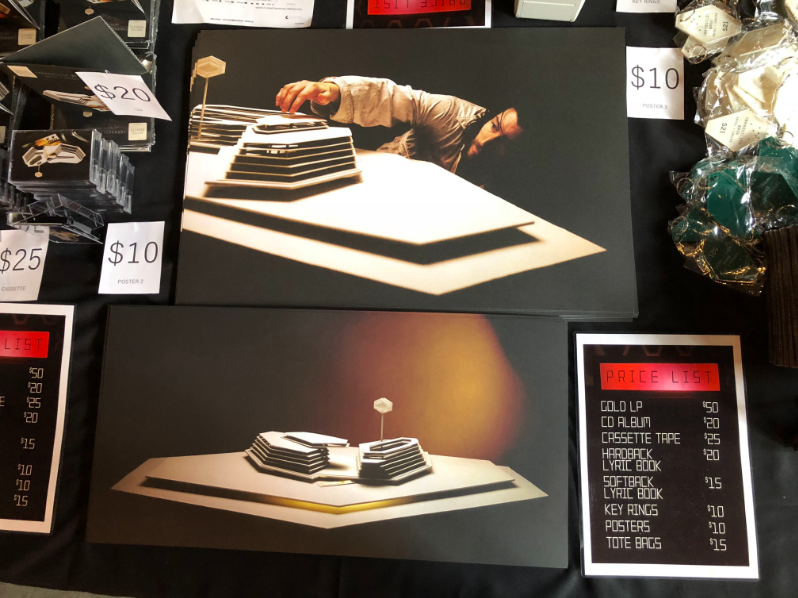
Album releases used to rely on radio premieres and televised appearances. Today, artists often create immersive spaces that reflect the identity of a record.
The Arctic Monkeys demonstrated this with a series of global pop-ups to promote Tranquility Base Hotel & Casino. Rather than relying on traditional singles, the band created physical spaces in multiple cities where fans could purchase exclusive vinyl editions and explore a store environment inspired by the album’s futuristic aesthetic. Limited formats available only in-store helped drive first-week sales and reinforced the record’s concept.
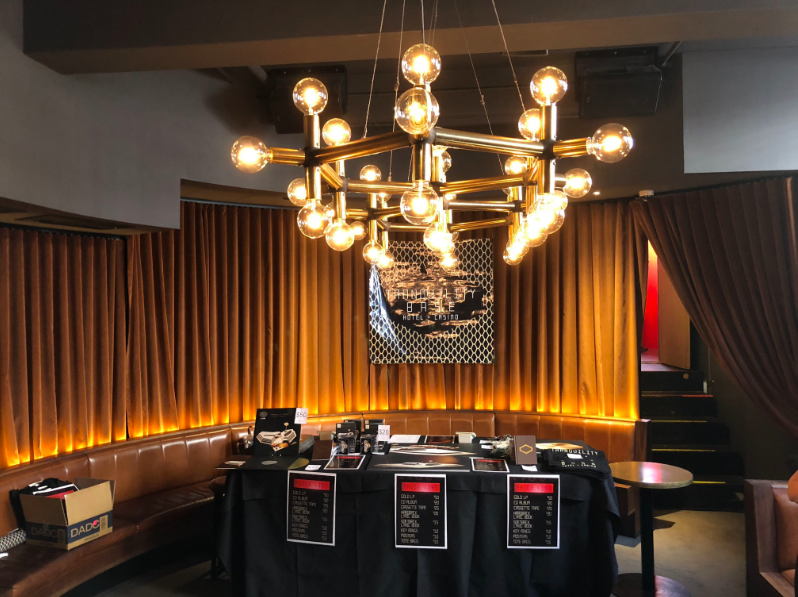
Scarcity and atmosphere are central to this approach. When merchandise or formats are available only at a temporary location, fans have a clear incentive to attend in person.
Another example is the Ed Sheeran No.6 Collaborations Project pop-up in Amsterdam, hosted through Storefront. The activation gave fans direct access to exclusive merchandise tied to the album, transforming release week into a destination experience rather than just a streaming event. You can read more about that project here: Storefront hosts Ed Sheeran’s No.6 Collaborations Project pop-up shop in Amsterdam.
Extending Tour Momentum Beyond the Stage
Tours create built-in demand, and pop-ups allow artists to extend that energy beyond concert venues.
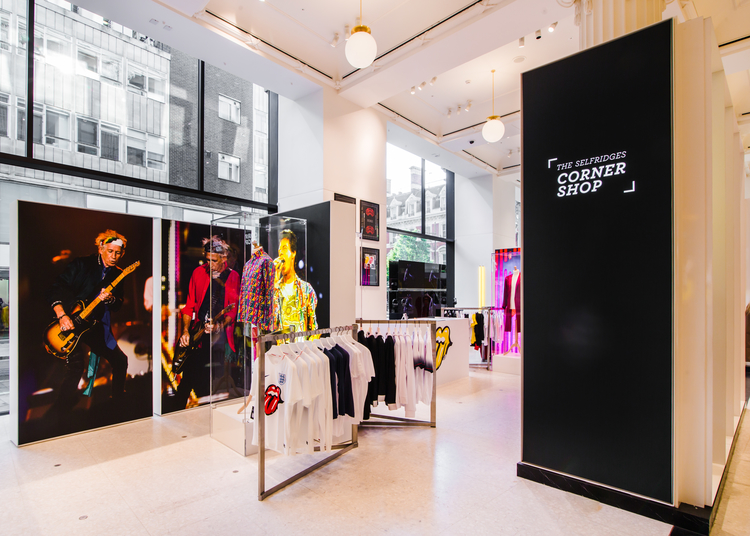
The Rolling Stones launched pop-up stores tied to their “No Filter” tour in cities such as London and Manchester. These spaces combined merchandise with archival exhibitions, giving long-time fans an opportunity to engage with the band’s history. The stores were not simply retail counters — they were curated environments celebrating decades of cultural impact.
Kanye West’s Yeezus tour pop-up in New York is another example of how temporary retail can amplify tour buzz. The store created intense demand, long lines and strong resale activity, proving that limited access combined with strong visual identity can turn merchandise into cultural currency. More on that activation can be found here: Kanye West Yeezus Tour pop-up shop in NYC.
In cities like New York, London and Los Angeles, where live music ecosystems are strong, pop-ups tied to tour stops can significantly increase visibility and merchandise sales.
Building Artist Identity Beyond Music
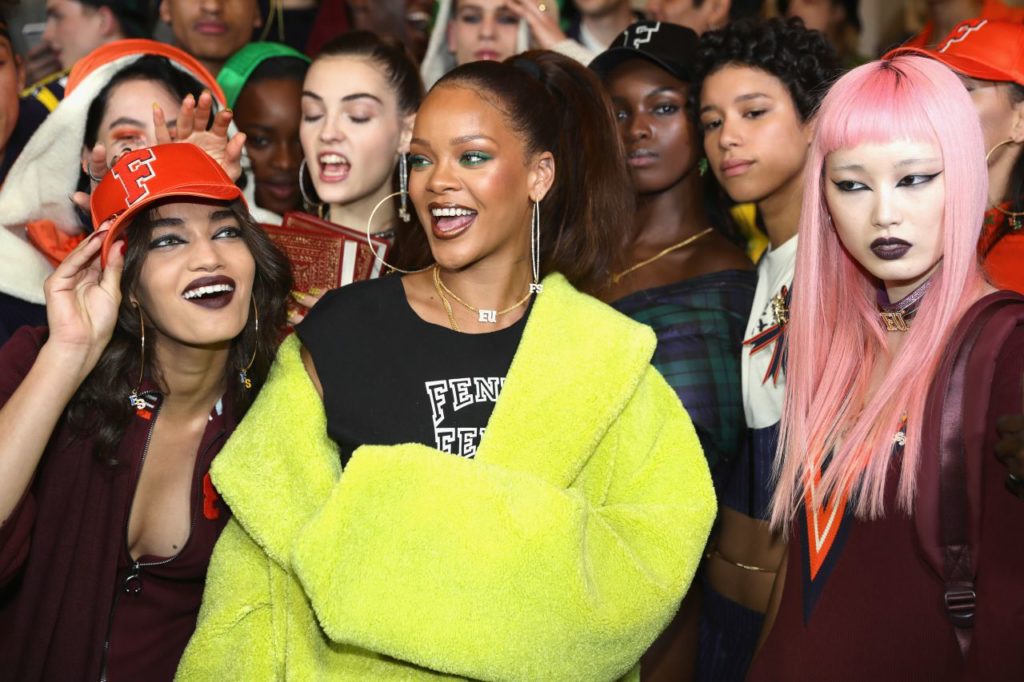
Many artists now operate as lifestyle brands. Pop-up stores allow them to express identity beyond sound alone.
Rihanna’s Savage X Fenty activation in Brooklyn blurred the lines between fashion, art installation and retail. Visitors moved through an immersive showroom before reaching the retail section, reinforcing the brand’s commitment to inclusivity and self-expression. Although not strictly music merchandise, the activation strengthened Rihanna’s overall brand, which in turn supports her musical output.
Similarly, Wizkid used a London pop-up to promote his Starboy clothing line alongside a major performance, allowing fashion and music to amplify each other.
These examples show that music pop-ups often function as broader brand statements rather than isolated retail events.
When Music Labels Enter Physical Retail
It is not only artists using temporary retail. Music labels are increasingly exploring pop-ups as a way to showcase catalogue depth and cultural relevance.
RCA Records UK recently launched a residency-style pop-up in London, creating a physical destination for fans to explore the label’s legacy and emerging artists. The space featured curated vinyl selections, exclusive merchandise and interactive activations spanning multiple generations of talent. Rather than focusing on a single release, the label used the format to celebrate its roster and reinforce long-term brand identity.
Similarly, Spotify partnered with French artist Aya Nakamura on a pop-up activation that brought digital streaming culture into a physical environment. The space allowed fans to engage with the artist’s world beyond playlists, highlighting how streaming platforms are also experimenting with temporary retail formats. More on that collaboration can be found here: Spotify’s pop-up store for French singer Aya Nakamura.
These activations demonstrate that pop-ups are not limited to independent artists. Major labels and platforms are using them to bridge online audiences and physical engagement.
Why Pop-Ups Work for the Music Industry
Across these examples, several consistent advantages emerge:
- They create urgency around album or tour cycles.
- They allow exclusive merchandise drops that cannot be replicated online.
- They turn fandom into shared, in-person experiences.
- They provide press and influencer visibility in key cities.
Music pop-ups are particularly effective in creative hubs such as London, Los Angeles and New York, where fan communities are dense and media attention is strong.
Because these activations often prioritize atmosphere and immersion, design and experiential strategy are critical. Our analysis of experiential retail and retailtainment explores how immersive environments influence engagement and brand loyalty across industries.
From Streaming to Space
As streaming continues to dominate music consumption, physical spaces provide differentiation. Pop-up stores offer something that digital platforms cannot: presence, atmosphere and shared experience.
When executed strategically, music pop-ups do more than sell merchandise. They deepen fan loyalty, extend tour narratives and transform album releases into cultural events.
For artists, labels and platforms looking to strengthen physical engagement, temporary retail remains one of the most adaptable tools available.
Ready to book your next pop-up store? Find the ideal space for your project!

- A Guide to Effective Pop-Up Store Collaborations for Small Businesses - March 18, 2026
- How to Create an Instagrammable Pop-Up Shop - March 18, 2026
- How Brands Use Pop-Up Spaces During Amsterdam Dance Event - March 10, 2026