

Pop-up store collaborations have become one of the most effective ways for brands to grow awareness, reach new audiences, and test concepts with minimal risk. Whether you are launching a new product, entering a new market, or increasing foot traffic, collaborating with another brand can amplify results far beyond what a solo pop-up can achieve.
This guide breaks down the most effective types of pop-up collaborations, how to execute them, and how to turn them into real commercial impact through the right spaces and partnerships.
What is a pop-up store collaboration?
A pop-up store collaboration is a short-term retail concept where two or more brands share space, audiences, or products to create a joint experience. These collaborations can take many forms, from shared retail spaces to co-branded product launches.
If you are new to temporary retail, start with this guide to what a pop-up shop is before diving into partnerships.
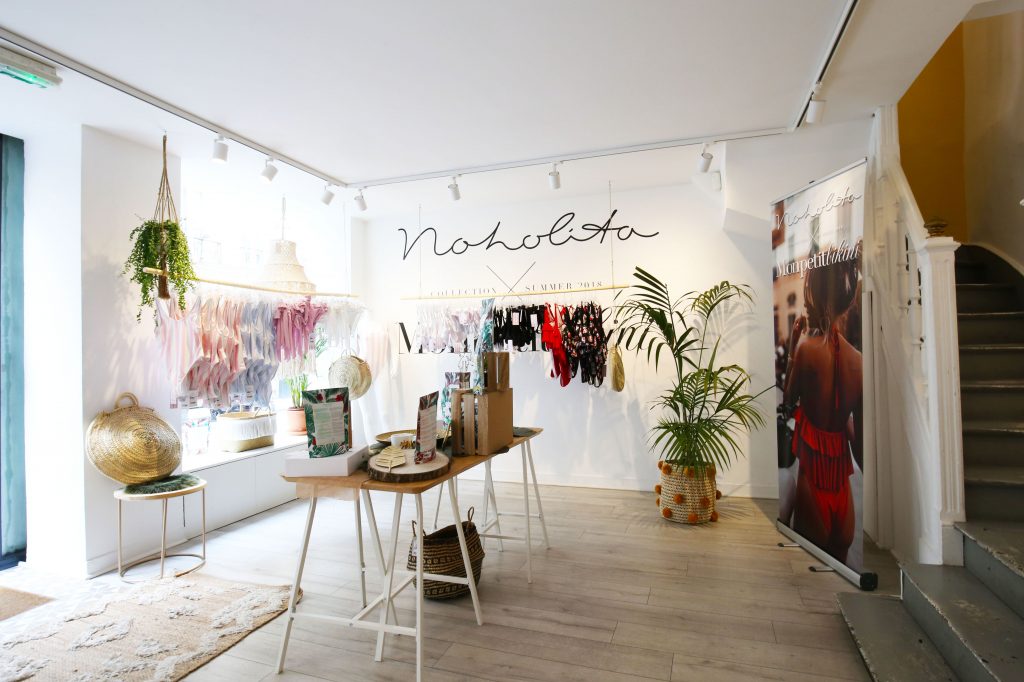
Pop-up collaborations sit at the intersection of two high-intent strategies:
- experiential retail
- audience expansion through partnerships
They also naturally connect to the growing trend of shop share retail concepts, where multiple brands operate within a shared space.
Types of pop-up store collaborations
Enhancing the in-store experience
One of the simplest ways to collaborate is by bringing complementary brands into your space to elevate the customer experience.
Retail is increasingly moving toward hybrid, experience-led environments. Think coffee corners inside fashion stores, live events, or wellness activations layered into retail.
These partnerships:
- increase dwell time
- improve conversion rates
- create social media moments
For example, adding a food or beverage partner to your pop-up can transform a simple store into a destination.
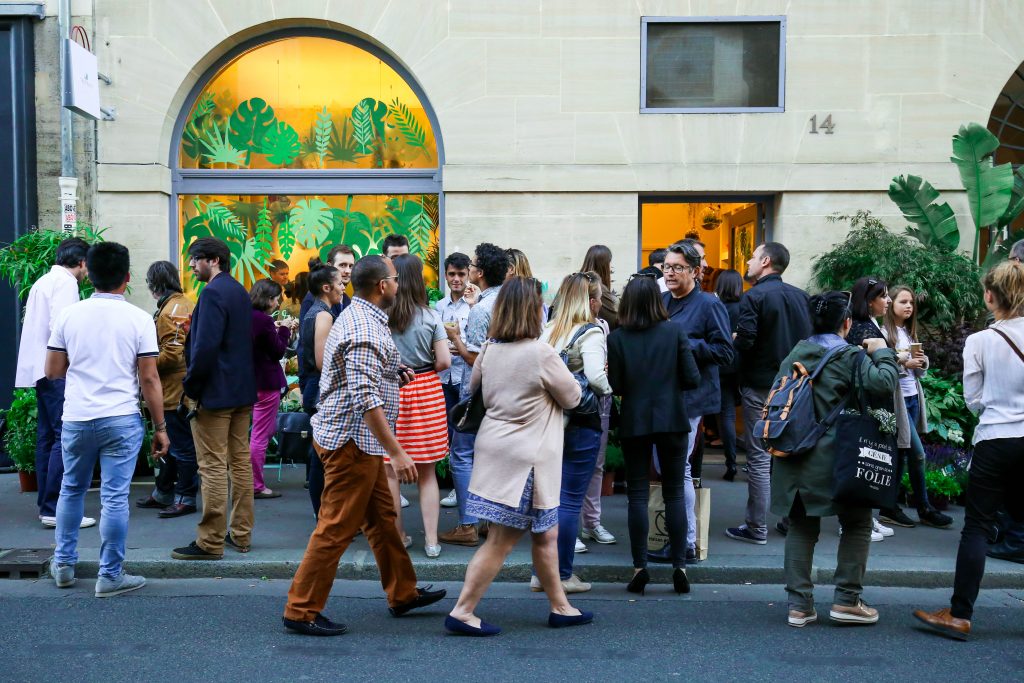
To execute this effectively, choosing the right space is critical. Explore retail spaces in key cities like London, New York, or Paris to match your concept with the right audience.
Store-within-a-store
The store-within-a-store model allows a smaller brand to operate within a larger retailer’s footprint. This is one of the most effective collaboration formats for emerging brands looking to gain exposure.
Benefits include:
- access to established foot traffic
- lower operational costs
- brand credibility through association
This model is closely aligned with the rise of shop sharing. If you are exploring this route, browse dedicated shop share spaces in London, New York, or Paris.
Sharing a pop-up venue
A shared pop-up space, also known as a multi-brand pop-up, is one of the most scalable collaboration strategies.
Two or more brands split:
- rent
- staffing
- marketing efforts
This reduces risk while increasing exposure.
High-profile collaborations like Louis Vuitton x Supreme demonstrate how powerful shared storytelling can be. But this model works just as well for small and mid-sized brands when there is clear alignment in audience and positioning.
For brands testing new markets, this is often the most efficient entry strategy.
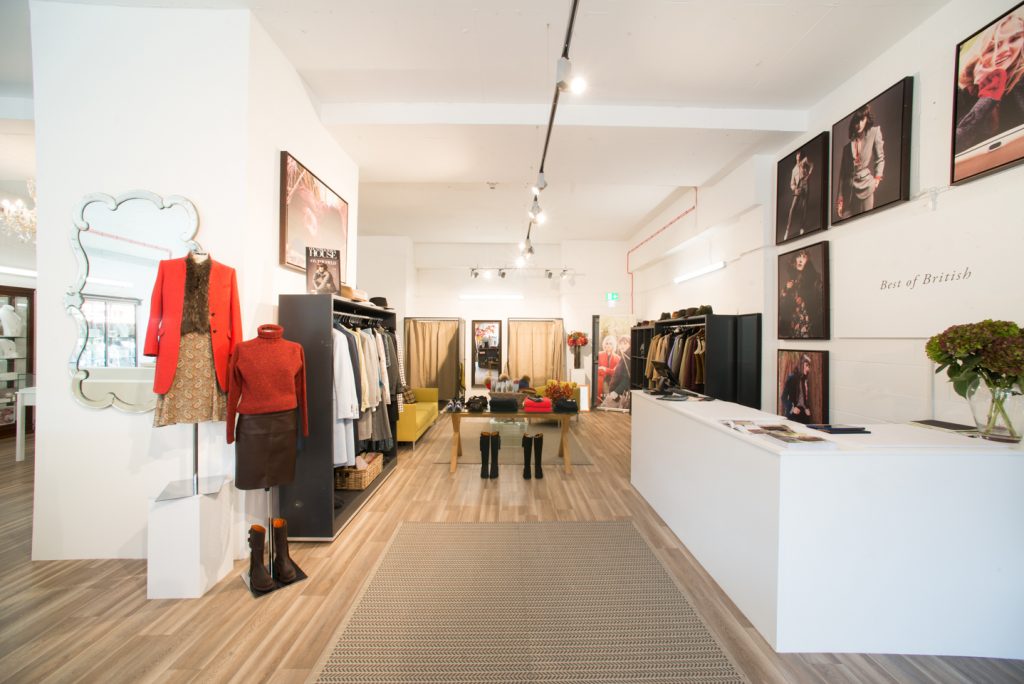
Example: Really Wild collaborated with Designer Daniela Draper in this pop up shop in London.
Co-creating a product lin
Some of the most successful pop-up collaborations are built around exclusive product launches.
For brands
Ready to launch your pop-up?
Find and book your short-term retail space with Storefront.
Find a spaceCo-created collections:
- generate urgency
- drive press coverage
- give customers a reason to visit in person
Launching these products through a pop-up adds scarcity and experience, which are key drivers of conversion in physical retail.
If you are planning a launch, pair it with a strong promotional strategy using this guide on how to promote a pop-up event.
How to choose the right collaboration partner
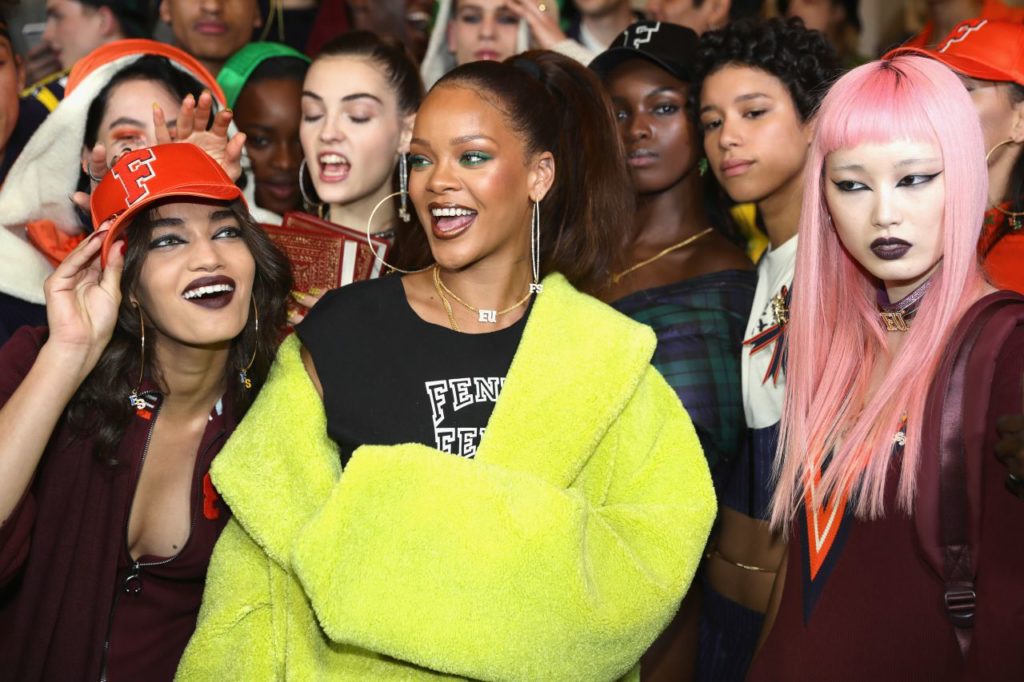
Not all collaborations are equal. The success of your pop-up depends heavily on partner alignment.
Focus on:
- shared target audience
- complementary products, not competing ones
- aligned brand values and positioning
- similar price points
A mismatch in any of these areas can dilute your brand or confuse customers.
Strong collaborations feel natural to the customer. Weak ones feel forced.
How to plan a successful pop-up collaboration
Execution is where most collaborations fail. A clear plan is essential.
Start with:
- defining your objective, awareness, sales, or market testing
- choosing the right format, shop share, co-branded launch, or shared space
- selecting the right location based on audience density
Location plays a major role in performance. High-intent searches like “rent a pop up shop in London” convert because they match both geography and use case. That is why selecting the right space from the start is critical.
If you are planning your first activation, this step-by-step guide on how to open a pop-up store covers the full process.
Why shop share is growing within pop-up collaborations
Shop sharing deserves special attention because it sits directly between collaboration and efficiency.
Instead of a one-off partnership, shop share allows brands to:
- operate continuously within a shared retail space
- reduce costs long term
- build repeat exposure
This makes it particularly attractive for:
- digital-first brands entering physical retail
- international brands testing new cities
- small businesses looking to scale offline
Frequently asked questions
Are pop-up collaborations worth it?
Yes, when executed correctly, they:
- reduce risk
- expand reach
- increase foot traffic
- create stronger brand storytelling
How long should a pop-up collaboration last?
Most run from a few days to several weeks. The ideal duration depends on your goals, product type, and location costs.
Where should I launch a pop-up collaboration?
Focus on high-footfall cities with strong retail demand. Markets like London, New York, and Paris consistently perform well due to their mix of local and tourist traffic.
You can browse available spaces globally on Storefront to compare locations and formats.
Partner up for your next pop-up
The strength of pop-up retail lies in its flexibility and speed. Collaborations amplify that advantage by combining audiences, creativity, and resources.
Whether you:
- enhance your in-store experience
- launch a store-within-a-store
- share a retail space
- co-create a product line
the right partnership can significantly increase your chances of success.
Conclusion
Pop-up store collaborations are no longer just a trend. They are a core growth strategy for modern retail brands.
By combining the right partner, format, and location, you can create a retail experience that drives both immediate results and long-term brand equity.
Ready to launch your own pop-up? Explore thousands of spaces worldwide and find the right fit for your next collaboration with Storefront.
For brands
Ready to launch your pop-up?
Find and book your short-term retail space with Storefront.
Find a space
Written by
Nicholas Roberts-Moore is Chief Marketing Officer at Storefront, based in London. He specializes in AI-powered marketing and the UK retail and real estate markets, helping brands turn short-term retail into measurable growth. A former journalist, he writes on pop-up strategy, retail trends, and the future of physical retail.
More from Nicholas Roberts-Moore →Related posts:
 What is a pop-up shop? Everything you need to know to try short-term retail
 How to Set Up a Pop-Up Art Gallery: 8 Steps to Renting and Launching Your Exhibition
 Offline Marketing Ideas for Pop-Up Shops
 The 5 Types of Pop-Up Shops (With Examples) & How to Choose the Right One
 Automotive Pop-Up Shops: How Car Brands Use Temporary Showrooms to Launch, Test and Sell