

Pop up store design is the difference between a temporary retail activation that generates buzz and one that quietly underperforms.
Because pop-ups operate within limited timeframes and often smaller footprints, every design decision carries weight. Layout, lighting, displays, and spatial planning must work together to attract attention, guide customer movement, and convert interest into sales.
If you’re new to temporary retail, start by understanding what is a pop up shop. If you’re ready to create one that drives measurable results, this guide will walk you through the essential principles of high-performing pop up store design.
Why Pop Up Store Design Directly Impacts Sales
Pop-ups are inherently experiential. Customers expect something immersive, memorable, and different from traditional retail.
Effective pop up shop design:
- Communicates brand identity within seconds
- Creates a logical and intuitive shopping journey
- Encourages dwell time and interaction
- Drives urgency through temporary presence
Design also supports broader strategic goals. Many brands launch pop-ups to test markets, increase brand awareness, or support product launches. If you are still evaluating the strategic case, review the benefits of a pop up shop.
Financial planning is equally important. Design decisions affect build-out costs, staffing needs, and operational complexity. Before investing heavily in fixtures or installations, understand how much a pop up shop costs.
When aligned correctly, pop up store design becomes a revenue multiplier rather than a cost center.
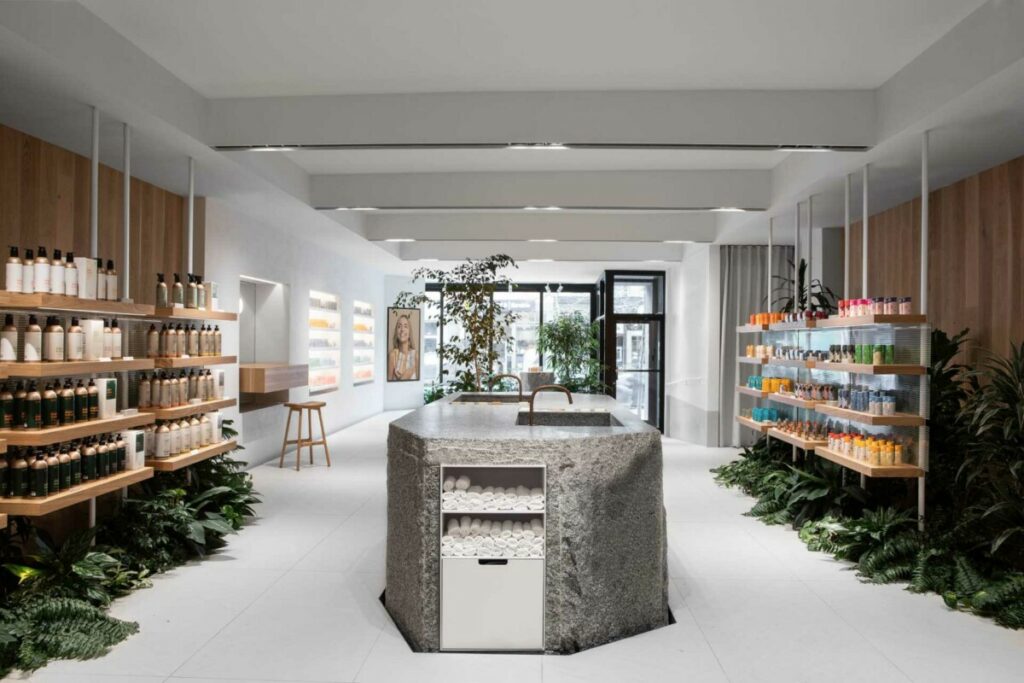
Step 1: Define Your Concept and Customer Experience
Every successful pop up store design begins with clarity of purpose.
Ask yourself:
- Who is your ideal customer?
- What problem does this activation solve?
- Is the objective direct sales, product testing, brand exposure, or content creation?
- What should customers feel when they enter the space?
Your concept should guide every design choice. Materials, layout style, lighting, and visual merchandising must reflect your brand positioning.
If you have not yet finalized your operational strategy, review our guide on how to open a pop up store to ensure your design supports logistics, staffing, and marketing plans.
Mapping the customer journey at this stage is critical. Consider:
- Entry impact: What do customers see first?
- Flow path: Where are they guided next?
- Interaction points: Where do they pause?
- Checkout positioning: Is it intuitive and accessible?
Strong pop up shop design is intentional. It directs behavior without feeling forced.
Step 2: Choose the Right Layout for Your Pop Up Store
Layout is the structural backbone of pop up store design. It determines visibility, flow, and how customers engage with products.
Several layout models consistently perform well in temporary retail environments.
Free-Flow Layout
A free-flow layout removes rigid aisles and encourages exploration. This format works well for lifestyle brands and experiential retail concepts. It allows creative merchandising and supports impulse purchases.
Grid Layout
A grid layout offers structured aisles and organized product categories. It is effective for product-heavy activations where inventory breadth is a priority.
Boutique Layout
This layout divides the space into defined zones or “rooms.” It works particularly well for curated collections, capsule launches, or brands that want storytelling through spatial segmentation.
Showroom Layout
Showroom-style pop up shop design emphasizes product presentation rather than on-site inventory storage. Customers browse displays and often order digitally. If your concept leans in this direction, explore options for showroom space for rent that support display-focused retail.
When evaluating layout, prioritize:
- Clear sightlines from the entrance
- A strong focal point
- Logical product sequencing
- Unobstructed circulation space
Poor layout is one of the most common causes of low conversion in pop-ups. Even beautifully designed spaces underperform if customers feel disoriented.
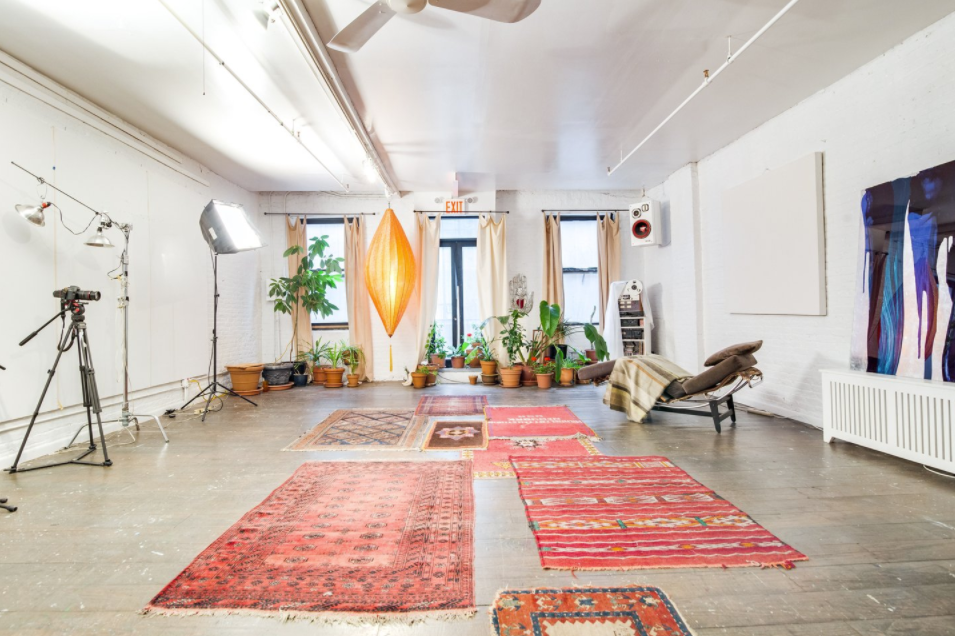
Step 3: Create High-Impact Displays and Visual Merchandising
Displays are where pop up store design becomes immersive.
Because pop-ups are temporary, they benefit from bold, memorable visual statements. Central displays, sculptural installations, and layered product presentations create visual hierarchy and encourage photography.
Effective pop up shop design ideas often include:
- A hero product showcase near the entrance
- Tiered display heights to create depth
- Contrasting textures to increase visual interest
- Window-facing installations that stop foot traffic
Visual merchandising should guide attention deliberately. Highlight new arrivals, limited editions, or premium products in high-visibility zones.
Temporary retail design also benefits from modularity. Lightweight plinths, movable shelving, and adaptable fixtures allow brands to adjust layouts mid-activation if needed.
The goal is not decoration. The goal is structured persuasion through space.
Step 4: Optimize Small and Temporary Retail Spaces
Many pop-ups operate in compact storefronts, kiosks, or short-term leases in high-density areas.
Designing small pop up shops requires discipline. Avoid overcrowding. Negative space improves perceived value and encourages movement.
Key strategies include:
- Vertical merchandising using wall-mounted shelving
- Slim-profile fixtures
- Mirrors to increase perceived depth
- Concealed storage integrated into display units
Temporary retail design should also consider installation speed. Fixtures that assemble quickly reduce labor costs and simplify transitions between cities or activations.
If you are planning activations in major markets, selecting the right footprint matters as much as interior design. Browse:
- pop up shops for rent in Paris
- pop up shops for rent in London
- pop up shops for rent in New York
Or search globally for pop-up store spaces
Choosing a space aligned with your scale prevents design compromises later.
Step 5: Use Color Psychology and Lighting Strategically
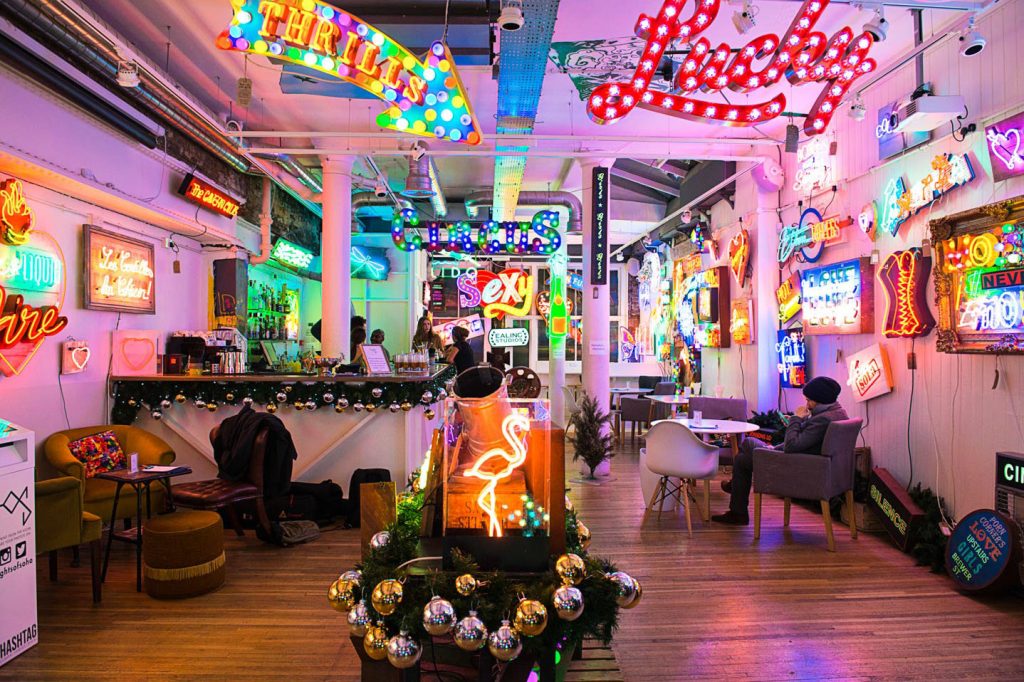
Color and lighting are central to pop up store design because they shape emotion and purchasing behavior.
Color choices influence perception. Warm tones can create energy and urgency. Neutral palettes signal sophistication. Bold contrasts drive attention and social sharing.
Lighting should operate in layers:
- Ambient lighting for overall visibility
- Accent lighting to spotlight products
- Decorative lighting to reinforce mood
Retail store design concepts increasingly incorporate dynamic lighting or adjustable spotlights to shift emphasis throughout the day.
The key is cohesion. Color temperature, material selection, and product presentation must feel unified rather than accidental.
Color selection plays a critical role in shaping perception and purchase behavior — understanding pop up store color psychology can help you design with intention rather than instinct.
Step 6: Design Functional Zones That Support Conversion
Beyond aesthetics, pop up shop design must support operational efficiency.
Functional zones typically include:
- Fitting rooms
- Checkout area
- Staff consultation points
- Storage space
- Demonstration or activation areas
For apparel brands, fitting room lighting and mirror placement directly influence purchasing decisions. Even in temporary settings, comfort and privacy should not be compromised.
Checkout placement should feel intuitive. Customers should naturally move toward the payment area without friction.
Well-defined zones reduce confusion and increase average transaction value.
Step 7: Design Within Budget Without Sacrificing Impact
Pop up store design can be highly effective without excessive spending.
Strategic cost management includes:
- Reusable modular fixtures
- Rental furniture instead of custom builds
- Lightweight materials for temporary installations
- Focusing budget on high-visibility areas
Align your design ambition with financial planning. For a detailed cost breakdown, review how much a pop up shop costs.
Temporary retail rewards smart allocation rather than overinvestment.
Choose the Right Location Before Finalizing Design
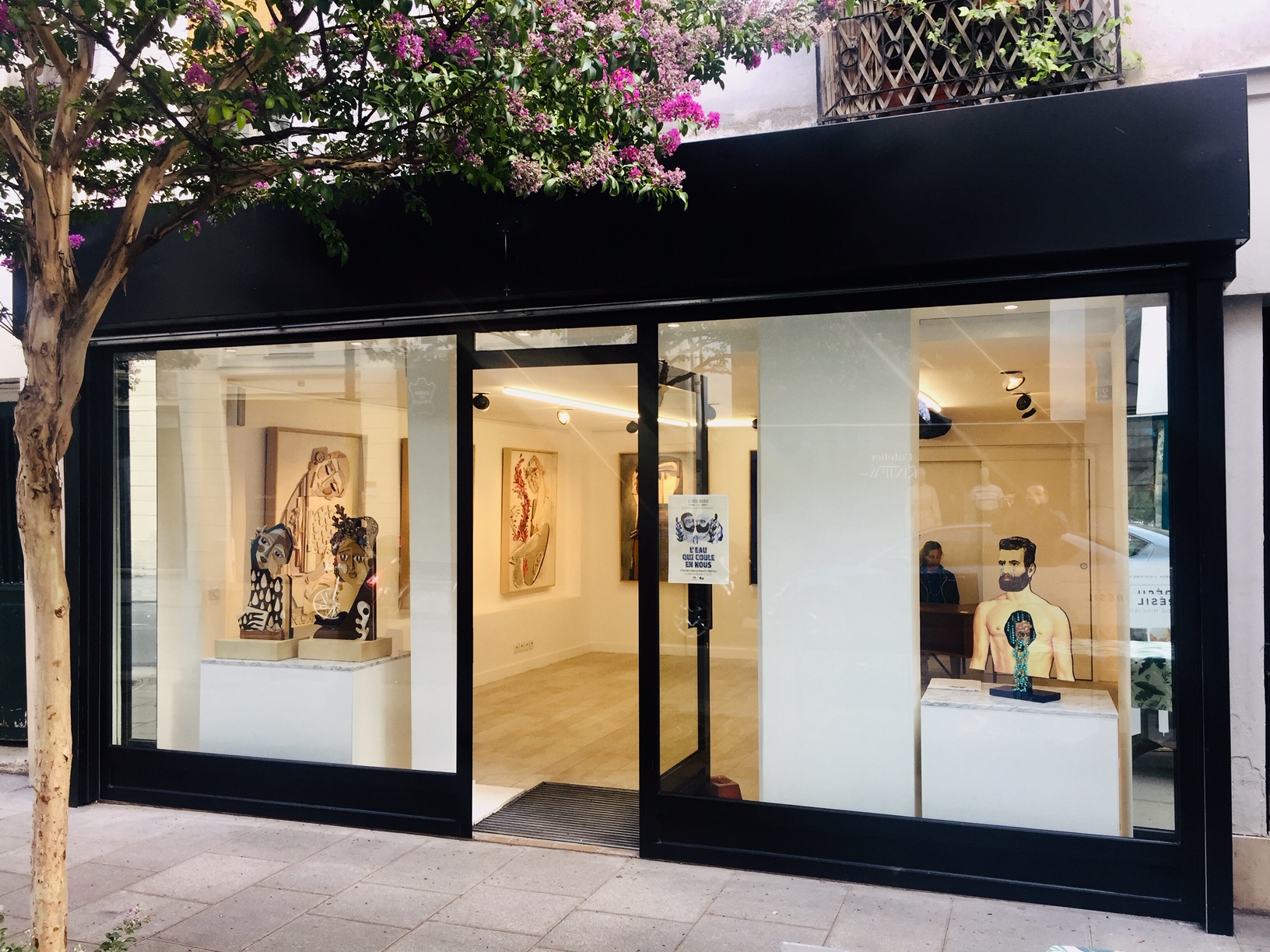
Even the most thoughtful pop up store design cannot compensate for the wrong location.
Foot traffic, neighborhood demographics, and surrounding brands influence performance.
If you are planning in key global markets, explore:
- showroom spaces in Paris
- showroom spaces in London
- showroom spaces in New York
Or search globally for showroom spaces
For localized design considerations, you can also consult our city-specific guides for New York, London, and Paris, which explore regulatory and market nuances.
Selecting the right space ensures your layout and merchandising strategy translate into real-world performance.
Designing a Pop Up Shop in Major Cities
When planning your pop up store design, location-specific factors like local architecture, shopper behavior, and space formats can significantly influence layout and visual strategy. If you’re preparing to launch in a major retail market, explore our city-specific design guides for detailed insights:
- Pop Up Shop Design Guide for New York
- Designing a Pop Up Shop in London
- How to Design a Pop Up Shop in Paris
Common Pop Up Store Design Mistakes to Avoid
- Overcrowding reduces flow and shortens dwell time.
- Weak focal points fail to anchor attention.
- Inconsistent branding undermines trust.
- Poor lighting diminishes product appeal.
- Design should feel intuitive, immersive, and commercially intentional.
Frequently Asked Questions About Pop Up Store Design
What is the best layout for a pop up store?
The best layout depends on your product category and goals, but free-flow and boutique layouts tend to perform well in experiential retail. They encourage exploration and allow for creative merchandising while maintaining clear product visibility.
How much does pop up store design cost?
Costs vary based on size, materials, and location. A small activation using modular fixtures may require minimal build-out, while a fully customized immersive space will increase expenses. For a detailed breakdown, review how much a pop up shop costs.
How do you design a small pop up shop?
Focus on vertical merchandising, slim-profile fixtures, clear circulation paths, and integrated storage. Avoid overcrowding. Negative space improves perceived value and enhances customer movement.
What makes a pop up store successful?
Successful pop-ups combine strong location selection, clear brand storytelling, intuitive layout, high-impact displays, and seamless checkout processes. Design supports all of these elements by shaping how customers experience the space.
How long does it take to design a pop up store?
Design timelines vary, but most pop-up concepts require several weeks for planning, sourcing fixtures, and installation. Modular designs can significantly reduce setup time, especially for multi-city activations.
Pop Up Store Design Checklist
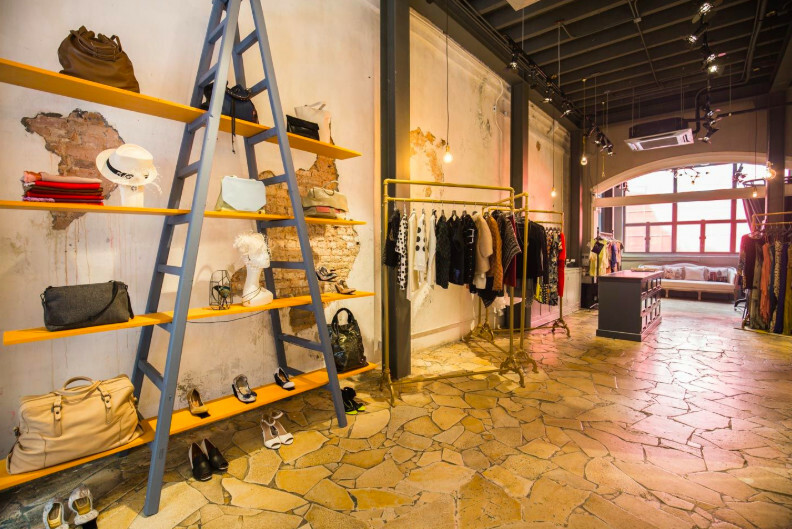
Before launch, confirm that:
- Your layout supports natural customer flow
- Focal displays highlight priority products
- Lighting enhances product visibility
- Branding is cohesive throughout the space
- Functional zones are clearly defined
- The location aligns with your target audience
Pop up store design is both strategic and creative. When executed thoughtfully, it transforms temporary retail space into a high-impact brand environment that drives engagement, awareness, and measurable sales.

- How Much Does It Cost to Rent an Art Gallery? - February 26, 2026
- Shoreditch Neighborhood London Guide: London’s Hipster Hangout and Pop-Up Capital - February 26, 2026
- Pop-Up Shop Strategies by Industry: How Different Sectors Use Temporary Retail - February 25, 2026
Related posts:
 How to Use Color to Increase Sales in Your Pop-Up Shop
 Pop Up Store Layout: Floor Plans and Flow Strategies That Convert
 Pop Up Store Display Ideas: 16 Creative Central Features That Attract Customers
 Small Pop Up Shop Design: 14 Smart Ways to Maximize Limited Space
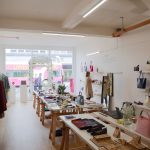 Wall Storage Ideas for Pop Up Shops: 10 Smart Solutions for Small Retail Spaces