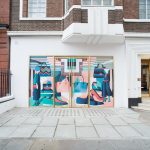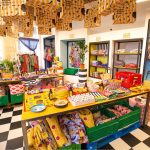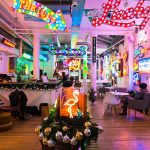
Pop-up shops are temporary retail spaces designed to appear for a limited period, allowing brands to test new markets, launch exclusive products, or strengthen relationships with target customers. Whether used for product launches, seasonal campaigns, or flash retailing, a pop-up store is a proven game changer for brands looking to build a strong physical presence.
A successful pop-up shop can significantly drive sales, especially during peak moments such as Christmas, Fashion Week, or holiday pop-up shops. Thanks to their short lifespan, pop-up shopping experiences naturally generate buzz, tap into the psychology of scarcity, and encourage customers to act fast.
While there is plenty to consider—such as the pop-up shop location, budgeting, staffing, insurance, and rental costs—the true success of a pop-up retail space depends heavily on pop-up shop marketing and execution. Below is a marketing checklist to help small businesses and brands succeed.
Generate buzz
With billions of people active on social media, no pop-up shop marketing strategy can succeed without it. In the weeks leading up to opening day, create a branded hashtag and use it consistently across social media platforms to announce your pop-up event, highlight special deals, and attract potential customers.
Platforms like Instagram and TikTok are especially effective for pop-up retail, as visually engaging content helps build buzz, increase foot traffic, and turn visitors into brand ambassadors. Social media analytics tools can help track engagement and refine your marketing tactics in real time.
Traditional media still matters. Print flyers, local radio, and lifestyle magazines remain powerful sources of free advertising, particularly for temporary storefronts in high traffic areas. Reaching out to local media with a clear press release strengthens your brand message and visibility.

Collaborate
Strategic collaborations are essential for successful pop-up shop marketing. Partnering with local brands, local artists, or complementary businesses helps increase foot traffic while sharing costs.
Collaborative pop-ups—also known as event-specific concessions—are often hosted in shopping malls, farmers markets, or shared event spaces, making them ideal for reaching new audiences. These partnerships help pop-up shops stand out from traditional stores and strengthen credibility.
Find Influencers
Influencer marketing remains one of the most effective marketing strategies for pop-up retail. Cultural influencers and micro-influencers can help attract customers, increase customer engagement, and amplify your message before, during, and after the event.
Micro-influencers are particularly valuable because they drive higher engagement at a lower cost. Inviting them to a preview or exclusive pop-up event helps generate authentic content and build brand awareness among new customers.
Make it eventful.
A pop-up store should feel like an experience—not just a retail location. Hosting workshops, live music, or in-store demos helps create unique pop-up shopping experiences that encourage customers to stay longer.
Limited-edition items, exclusive products, or time-bound promotions increase urgency and drive sales. These experiences are especially effective in high foot traffic retail locations or iconic pop-up shop venues like the ultimate hipster mall concept spaces popularized in Los Angeles, where modern pop-up retail first gained momentum in the late 1990s.
Be visible and loud.
Even with strong pre-event promotion, day-of visibility is critical. Many visitors discover pop-ups spontaneously. Clear signage, branded displays, and staff engaging passersby help increase foot traffic and convert people customers coming from nearby brick and mortar stores.
Pop-ups located in a high traffic area benefit greatly from last-minute visibility tactics, reinforcing the importance of choosing the right location.

Keep talking.
Your work doesn’t stop when the pop-up closes. Post-event communication is key to maintaining momentum and building brand loyalty.
Monitor user-generated content, engage with posts, and follow up with attendees via email. Offering early access to your next event, online exclusives, or discounts helps transition visitors from physical retail to shop online, extending the impact of your pop-up shop marketing.
Building an email list during the pop-up allows brands to nurture relationships long after the limited period ends—turning a temporary retail moment into long-term growth.
Conclusion
Successful pop-up shop marketing combines multiple channels, from social media and local influencers to partnerships and email follow-ups. In 2026, the key is blending physical and digital retail to build lasting brand loyalty, not just short-term sales. A frictionless shopping experience ensures higher engagement, stronger results, and customers ready to return for the next pop-up.
FAQ
Do you need a business license to do a pop-up?
Yes. Most pop-up shops require a business license or temporary sales permit. Rules vary depending on the pop-up shop location and local regulations.
Are pop-up shops successful?
Yes. Many pop-up shops report 20–30% higher revenue than traditional retail stores due to urgency, exclusivity, and strong customer engagement.
How much does it cost to run a pop-up shop?
Costs vary widely. On average, rental costs can account for 30% of the total budget, depending on the retail space, duration, and city.
Are pop-up markets profitable?
Costs vary widely. On average, rental costs can account for 30% of the total budget, depending on the retail space, duration, and city. Pop-up shops can be a low-cost way to start a business, allowing brands to capture foot traffic without committing to a long-term lease.
How do I create a pop-up shop?
Key steps include defining goals, choosing the right location, securing permits, planning marketing, designing the space, staffing, and preparing opening day logistics.
What’s a good checklist?
Clear goals, strong pop-up shop marketing, a high-traffic location, immersive experiences, and effective post-event follow-up.
What are the rules for pop-up shops?
Rules depend on location but usually cover permits, safety, signage, insurance, and sales compliance.
What is an opening checklist?
Licenses, POS setup, signage, staff training, inventory, influencer invites, and launch-day promotion.

- The Chinese Retail Market: Pop-up Stores and Massclusivity - November 30, 2020
- 7 For All Mankind Builds Buzz with Its Pop-Up Store in Le Marais - May 1, 2019
- 3 Reasons To Open a B2B Pop-Up Store - February 20, 2019