
Phygital retail is the integration of physical retail and digital retail into a single, connected customer experience.
The term combines “physical” and “digital,” and refers to how modern retailers blend in-store experiences with online touchpoints to better engage customers, drive sales, and build brand loyalty.
If you are searching for the meaning of phygital retail, the simplest definition is this:
phygital retail connects digital convenience with physical experience.
This concept has evolved from earlier ideas like omnichannel and multichannel retail, but goes further by focusing on how customers actually behave, not how businesses structure their channels.
Phygital retail meaning: why physical and digital retail work together
Consumers no longer think in terms of “online vs offline.”
They discover products on social media, compare options online, visit stores to experience them, and often complete purchases later on their phones. The journey is fluid.
This is why physical and digital retail are not competing forces. They are complementary.
Digital retail offers speed, convenience, and access to information. Physical retail delivers experience, trust, and human interaction. Phygital retail combines these strengths to create a more effective overall strategy.
For brands, this means shifting away from siloed thinking and designing experiences that connect every touchpoint.
A practical example of phygital retail
Imagine a brand launching a temporary retail space in a major city like New York, London, or Paris.
Customers visit the space, interact with products, and engage with the brand in person. Some purchase immediately. Others leave and complete their purchase online later.
At first glance, the store might not appear to drive all the revenue directly.
But in reality, it:
- introduces the brand to new customers
- drives online traffic and conversions
- builds long-term loyalty
This is phygital retail in action. The physical store supports digital growth, while digital channels extend the impact of the physical experience.
Key phygital retail strategies
Phygital retail is built through a combination of tactics that connect online and offline journeys.
Click and collect
Click and collect, also known as buy online and pick up in store, is one of the most widely adopted phygital strategies. It combines the convenience of ecommerce with the immediacy of physical retail.
Buy in store, deliver at home
This model reverses the journey. Customers browse in-store but complete the purchase digitally, with products shipped directly to their home. It removes friction, especially for larger or more complex purchases.
For brands
Ready to launch your pop-up?
Find and book your short-term retail space with Storefront.
Find a spaceIn-store digital integration
Retailers increasingly bring digital elements into physical spaces. This includes product reviews, QR codes, and user-generated content that help customers make informed decisions without leaving the store environment.
Cashier-free and mobile checkout
Technologies such as mobile payment and frictionless checkout reduce waiting time and improve the overall experience. These systems merge digital infrastructure with physical retail environments.
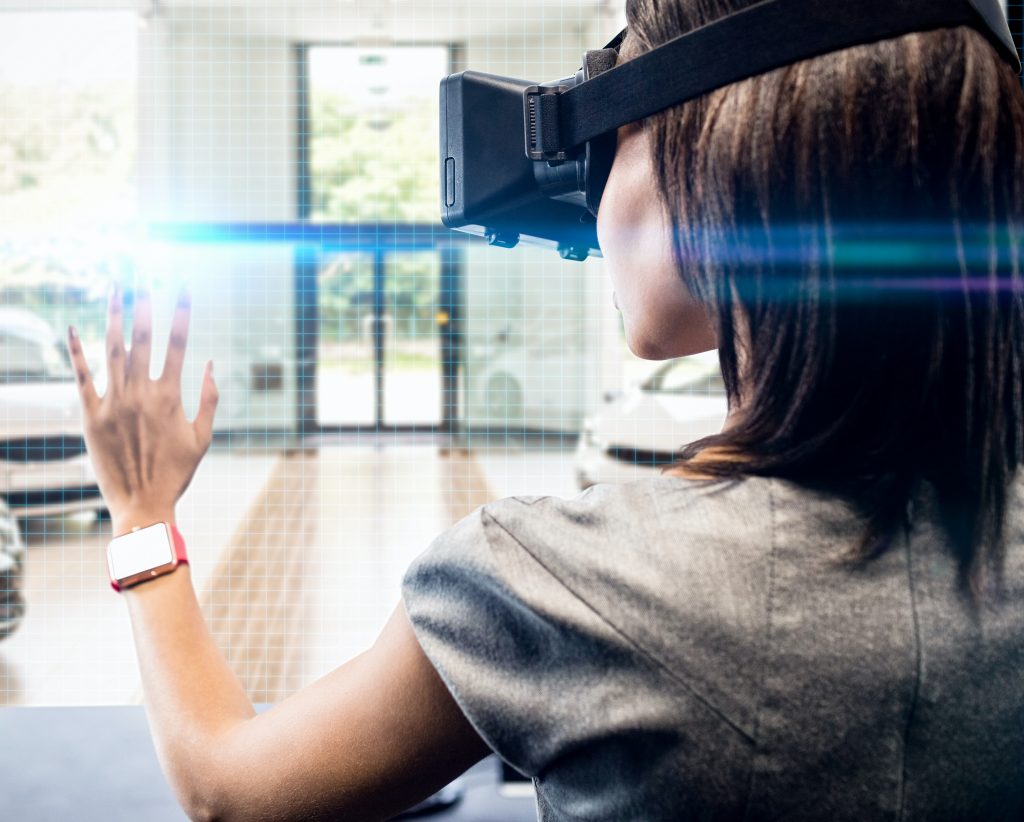
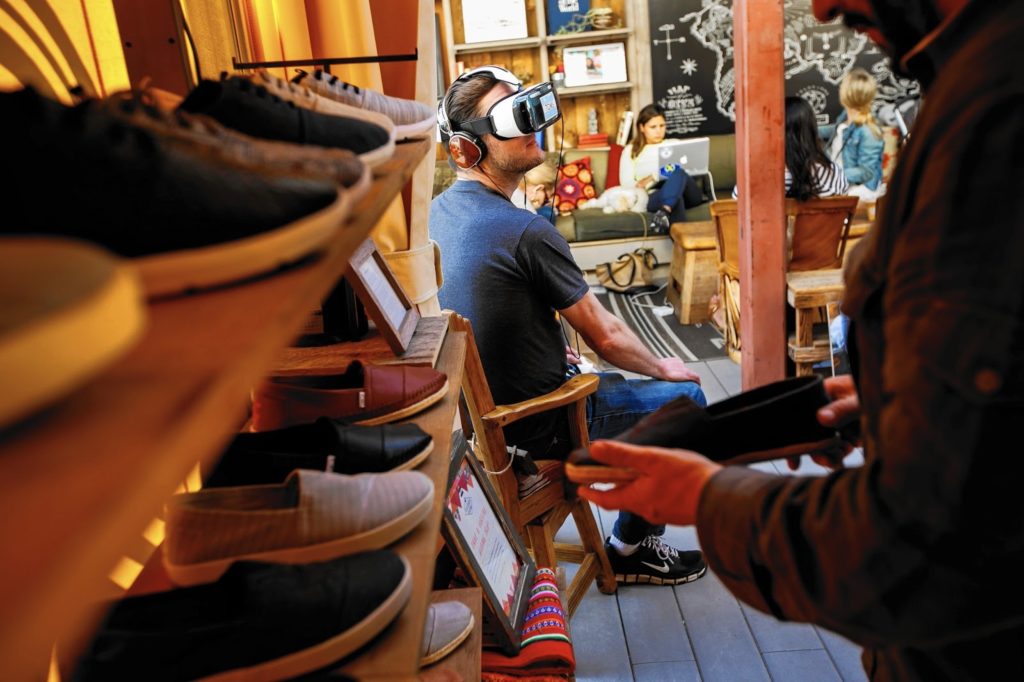
Augmented and virtual reality
Augmented and virtual reality allow customers to visualize products, try items digitally, and engage more deeply with brand storytelling. While still developing, these tools are becoming more common in experiential retail.
What is a phygital store?
A phygital store is a physical retail space enhanced by digital elements.
This could include interactive displays, mobile integrations, or technology that connects in-store behavior with online platforms. The goal is not to replace physical retail, but to enhance it.
Pop-up stores are one of the most effective formats for phygital retail because they allow brands to experiment with these concepts quickly and without long-term commitments.
Why pop-up shops are ideal for phygital retail
Pop-up stores give brands the flexibility to test and refine phygital strategies in real-world environments.
They allow you to:
- launch in new markets quickly
- connect online audiences with physical experiences
- trial digital integrations before scaling
- create high-impact, short-term activations
Because they are temporary, pop-ups are particularly well suited to experimentation and iteration.
For a step-by-step approach, see this complete guide to running a pop-up store.
Connecting phygital retail to your broader strategy
Phygital retail works best when it is integrated across your wider retail and marketing efforts.
Marketing plays a key role in driving traffic between channels. This guide to pop-up shop marketing explains how to combine digital and offline promotion.
Offline experiences amplify digital engagement. You can explore this further in these offline retail campaign ideas.
Design is equally important. Your space needs to support both interaction and digital integration. This guide on pop-up store design covers layout and display strategies.
For ecommerce brands, phygital retail is often the bridge into physical retail. This is explored in the DTC pop-up guide.
The future of phygital retail
Phygital retail is not a passing trend. It reflects how customers already behave.
The most successful brands are those that:
- connect digital and physical retail seamlessly
- focus on experience as well as convenience
- use physical spaces to drive digital growth
As retail continues to evolve, the distinction between online and offline will become even less relevant.
Phygital retail is simply retail done properly.
If you are planning your next activation, explore available spaces in key cities like New York, London, and Paris, and start building a connected retail experience that meets customers wherever they are.

Written by
Nicholas Roberts-Moore is Chief Marketing Officer at Storefront, based in London. He specializes in AI-powered marketing and the UK retail and real estate markets, helping brands turn short-term retail into measurable growth. A former journalist, he writes on pop-up strategy, retail trends, and the future of physical retail.
More from Nicholas Roberts-Moore →