
Pop-up shops are one of the most effective formats for generating media attention. Their temporary nature, creative concepts and event-driven format make them highly attractive to journalists, influencers and content creators.
This guide explains how to get press coverage for a pop-up shop, from building a strong story to hosting launch events and creating media-ready experiences.
For a complete strategy, see our guide to pop-up shop marketing.
Why pop-up shops attract media attention
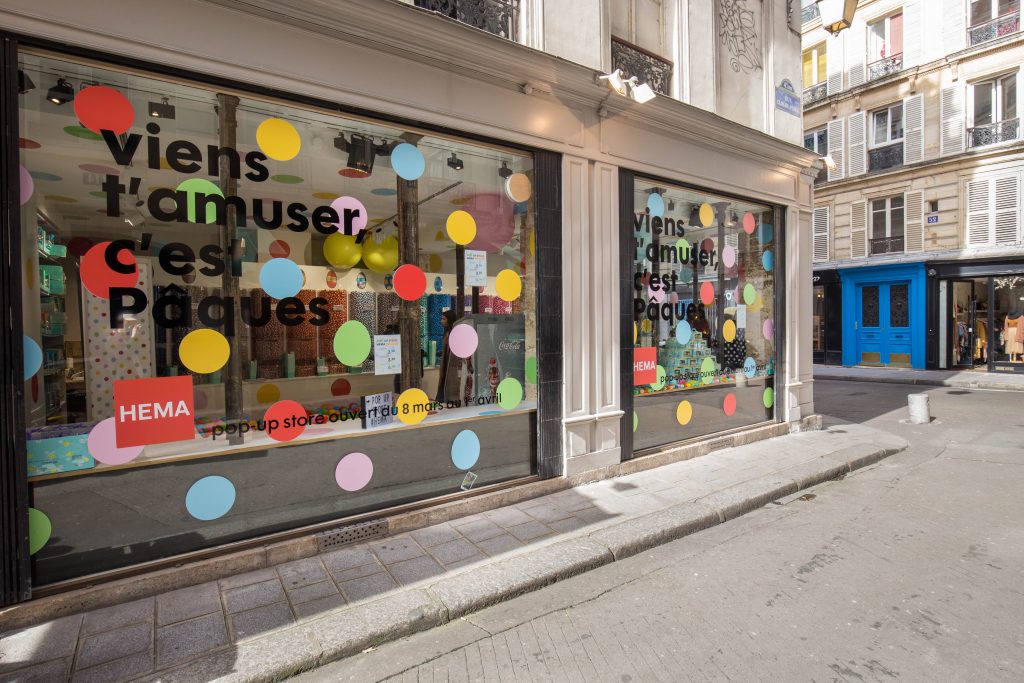
Pop-ups naturally align with what media outlets are looking for.
They are:
- time-sensitive
- visually engaging
- experience-driven
- tied to launches or cultural moments
This makes them ideal for editorial coverage across lifestyle, retail and local media.
However, not every pop-up gets press. Coverage depends on having a clear story and a compelling reason for journalists to care.
Build a strong story around your pop-up
Journalists do not cover stores. They cover stories.
Your pop-up needs a clear narrative such as:
- a product launch
- a brand collaboration
- a seasonal concept
- a cultural or social theme
The stronger the concept, the easier it is for media to turn it into content.
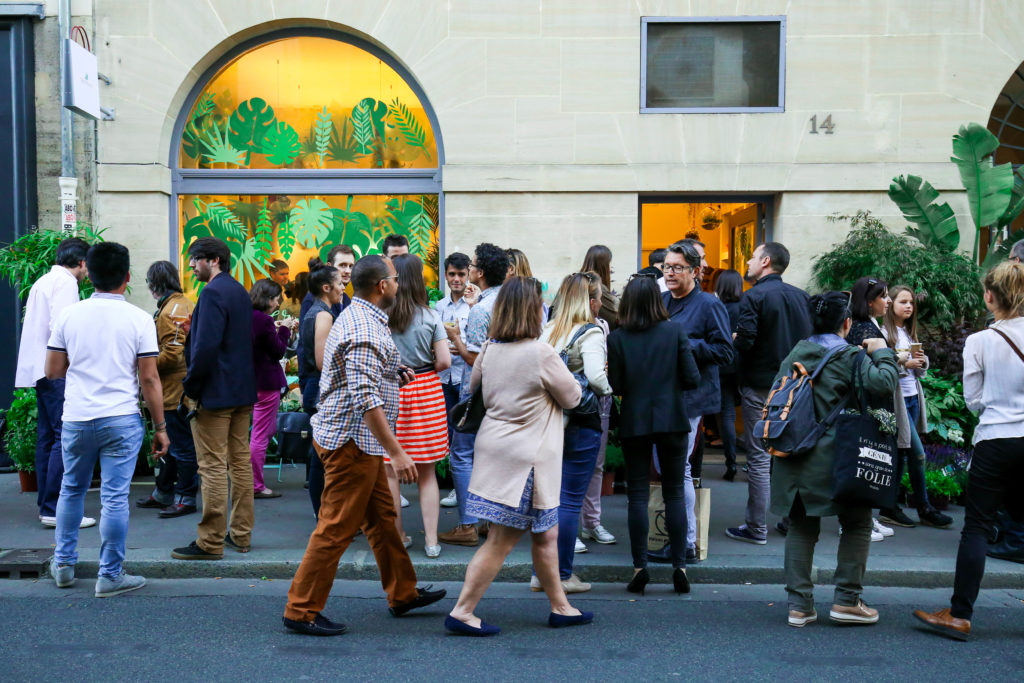
For example, Truffaut’s pop-up in Le Marais used an urban gardening concept combined with a launch event to create a story that resonated with both media and visitors.
If your pop-up does not have a clear angle, it will struggle to gain coverage.
Align your pop-up with seasonal and cultural moments
Timing plays a major role in PR success.
Journalists work around predictable editorial calendars, including:
- Christmas and holiday retail
- summer activations
- fashion weeks
- cultural events
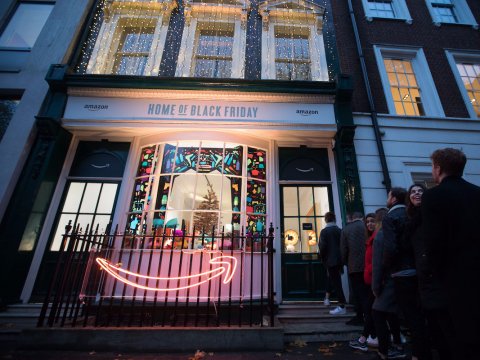
Aligning your pop-up with these moments increases your chances of being featured.
You can explore this further in the seasonal pop-up shop guide.
Create exclusivity and news value
Media coverage depends on what is new.
To increase your chances of coverage, your pop-up should offer:
- exclusive products or collections
- limited-time experiences
- first-time launches
- collaborations
Exclusivity creates urgency, both for journalists and for customers.
Pop-ups are particularly effective for testing new concepts or launching products in a way that feels fresh and newsworthy.
Host a press and influencer launch event
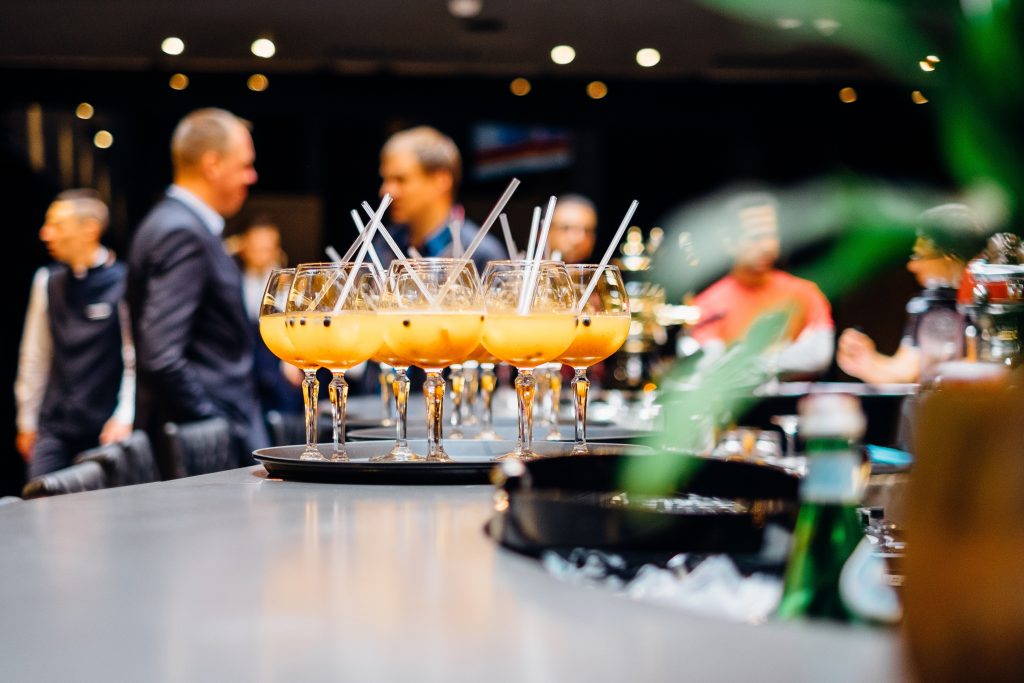
A launch event is one of the most effective PR tools.
Inviting journalists, influencers and creators to experience your pop-up in person allows them to:
For brands
Ready to launch your pop-up?
Find and book your short-term retail space with Storefront.
Find a space- capture content
- interview your team
- understand your concept
- publish quickly
To maximize impact:
- keep the event focused and well-timed
- provide a clear narrative
- ensure the space is visually ready
- prepare press materials in advance
Pop-ups that combine media and influencer attendance tend to generate both editorial coverage and social amplification.
You can explore how this connects with social promotion in our guide to promoting a pop-up shop on social media.
Design your pop-up for media and content creation
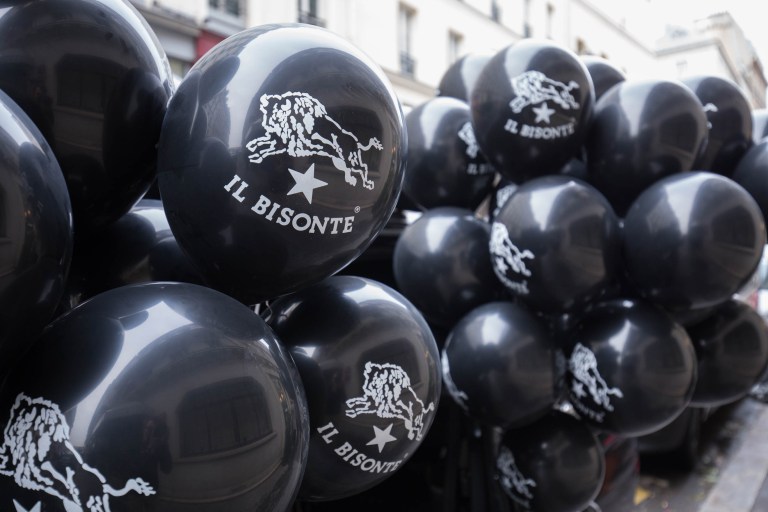
Media coverage is driven by visuals as much as story.
Your pop-up should be:
- visually distinctive
- easy to photograph
- aligned with your brand identity
Experiential design plays a key role here. Journalists and creators are more likely to cover spaces that offer strong visual content.
For example, Kodak’s experiential pop-up in London combined product demos and immersive experiences to create content that worked across both media and social channels.
To go deeper on this, see our guide to creating an Instagrammable pop-up shop.
Choose a location that attracts attention
Location is part of your PR strategy.
Pop-ups in high-profile or culturally relevant areas are more likely to attract:
- walk-in traffic
- influencers
- media attention
Neighbourhoods known for retail, fashion or culture naturally increase visibility.
Explore spaces in key cities:
Combine PR with broader marketing strategy
PR should not exist in isolation.
The most successful pop-up campaigns combine:
- press coverage
- social media
- influencer marketing
- in-store experience
This creates multiple touchpoints that reinforce your message and extend reach. You can also support your PR efforts with offline tactics such as local partnerships, print campaigns and community activation. Learn more in our guide to offline marketing for pop-up shops.
For a full breakdown, see: our guide to pop-up shop marketing and how to open a pop-up store.
Launch your pop-up in the right space
The success of your PR strategy depends on the environment you create.
The right space enhances:
- your concept
- your visual identity
- your ability to host media and events
Storefront helps brands find short-term retail spaces that maximize visibility and impact.
Explore:

Written by
Nicholas Roberts-Moore is Chief Marketing Officer at Storefront, based in London. He specializes in AI-powered marketing and the UK retail and real estate markets, helping brands turn short-term retail into measurable growth. A former journalist, he writes on pop-up strategy, retail trends, and the future of physical retail.
More from Nicholas Roberts-Moore →Related posts:
 What is a pop-up shop? Everything you need to know to try short-term retail
 How to Set Up a Pop-Up Art Gallery: 8 Steps to Renting and Launching Your Exhibition
 Offline Marketing Ideas for Pop-Up Shops
 The 5 Types of Pop-Up Shops (With Examples) & How to Choose the Right One
 Automotive Pop-Up Shops: How Car Brands Use Temporary Showrooms to Launch, Test and Sell