We use cookies and similar technologies to track your activity and improve your experience.
Sort by
Recommended
See on map
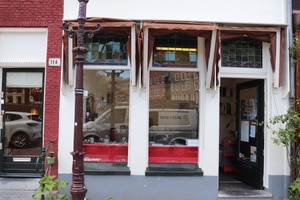
Art Gallery
∙
Amsterdam
20 m²
from 204€ per day
See on map
See on map

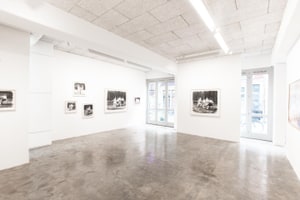
Event Space
∙
Amsterdam
110 m²
from 1.860€ per day
See on map

See on map

See on map

See on map

See on map

See on map

See on map

See on map
Fast Responder

Restaurant / Bar / Cafe
∙
Amsterdam
100 m²
from 1.020€ per day
Fast Responder
5(1)
See on map

See on map

Pop-Up Gallery and Exhibition Space in Red Light District, Amsterdam
Amsterdam's Red Light District, known locally as De Wallen, is the oldest quarter in the city: a medieval grid of narrow alleys, two parallel canals and buildings dating to the fourteenth century. It is also the single most-walked area in the Netherlands, which makes it one of the most visible places in the country to open a temporary art space in Amsterdam.
The district's architectural character sets it apart from every other gallery neighborhood in the city. Ground floors are small, deep and built on narrow canal-house plots, typically four to six metres wide. Ceilings are low, floors are uneven, and the frontages face directly onto cobbled alleys or the Oudezijds Achterburgwal and Oudezijds Voorburgwal canals. For a pop-up gallery or exhibition space, this translates into intimate, atmospheric rooms with natural light from tall windows, exposed brick and centuries of visible texture, the kind of setting that turns a white-wall show into something site-specific.
The Oude Kerk and the District's Art Identity
The strongest cultural anchor in the Red Light District is the Oude Kerk, Amsterdam's oldest building, dating to about 1306. It now operates as a contemporary art space rather than a museum, commissioning large site-specific installations inside the medieval church. It is one of the very few high, wide interiors in the old city. For a brand, working with the Oude Kerk is a cultural partnership rather than a standard rental, but its presence defines the district as a place where serious contemporary art and medieval architecture sit side by side, and that association benefits every temporary exhibition in the surrounding streets.
Artist Exhibitions vs. Brand Activations
A solo or group art show and a brand activation both need gallery-ready space in the Red Light District, but the requirements differ.
An artist exhibition, whether a solo show, a group exhibition or an open-studio event, needs clean walls, controllable lighting and enough depth to let visitors stand back from the work. The district's deep, narrow canal-house units suit this format well: a single room with a street-facing window draws foot traffic in, and the depth creates a natural viewing sequence. Shows like these often run for a week or longer, and the quiet side of the Nieuwmarkt or the Sint Antoniesbreestraat offers a calmer pace than the busiest alleys.
A brand activation or product launch leans on visibility and throughput. Here, the Warmoesstraat or the alleys closest to the Damrak deliver raw pedestrian volume, and the narrow medieval frontages put the window display directly in the walking line. These activations tend to be shorter, sometimes a single weekend, and they benefit from the district's young, international, high-volume audience. Streetwear, music and culture-adjacent brands find a natural audience here.
Where in the District
The Red Light District is roughly six blocks across, but its character shifts street by street.
The Nieuwmarkt is the square where the district opens up: the fifteenth-century Waag at its center, cafes and terraces around it, a weekday market, a Saturday farmers' market and a metro station underneath. It is the most commercially usable public space in the quarter and the safest address in it for an art pop-up gallery that needs to welcome a broad audience.
The Zeedijk curves from the Nieuwmarkt to Amsterdam Centraal and is the Netherlands' Chinatown, lined with Chinese, Thai, Indonesian and Surinamese restaurants and the He Hua temple, built in traditional Chinese palace style and the largest of its kind in Europe. A gallery on the Zeedijk sits in a genuinely different cultural context from the rest of the Wallen.
The Warmoesstraat is Amsterdam's oldest street and the district's shopping artery: streetwear, skate, records and tattoo studios in very narrow medieval units. It has real subcultural credibility, and an exhibition space here reads as part of the street rather than imported into it.
For context on other neighborhoods across the city, Amsterdam East, the Canals and the City Centre each offer a different setting for temporary art.
Seasonal Timing
The district's foot traffic peaks from May to September, when the alleys are full from morning until late at night. Summer evenings run long at this latitude, with daylight past ten o'clock in late June, so an exhibition opening can spill onto the street without losing the light.
The strongest single commercial week outside summer is the electronic-music week in the second half of October, when several hundred thousand visitors arrive for a conference and festival spread across the city. It is the closest thing Amsterdam has to a fashion week in commercial terms: an international, brand-literate, high-spending audience looking for things to do in the daytime. Brand activations and pop-up galleries cluster around it, and space in the Centrum is committed months ahead.
Winter brings Amsterdam's illuminated canal-art route from late November into mid-January, which keeps evening foot traffic moving along the water through the district's quietest months. A pop-up gallery timed to the light season trades against the backdrop of the city's own outdoor art programme.
Practical Considerations
The district sits between Amsterdam Centraal to the north and the Nieuwmarkt metro station to the south, making it one of the best-connected small areas in the country. The walk from the station to the heart of De Wallen is short, along the Zeedijk.
Much of the Wallen cannot be reached by van. The alleys are too narrow and the quays are single-lane. Everything, artwork, furniture, build materials, arrives on foot from the Nieuwmarkt, the Zeedijk or the Damrak, in the early morning before the crowds. Plan deliveries and any installation work for before the district fills.
The building stock is the oldest in the city: heavy listing protection, uneven floors, steep internal stairs to the souterrain and no rear service access. A survey before signing matters more here than anywhere else in Amsterdam. Step-free entry is a design problem on most historic units, and confirming it before committing to a canal-side space is worth the effort.
For broader inspiration on what a temporary exhibition can look like, read how Amnesty International used a pop-up store in Amsterdam or how brands activate during Amsterdam Dance Event.
Keeping Costs Down
Rates for exhibition space in the Red Light District vary by size, street, floor and season. The real levers a renter controls are timing, duration and flexibility. Off-peak months and midweek dates cost less than summer weekends. A longer booking, two weeks rather than three days, usually earns a better per-day rate. A side street a few doors off the main alley asks less than a canal-front unit while keeping much of the passing trade. And a raw, unfurnished space suits a brand bringing its own build at a lower price point than a finished art gallery exhibition space for rent.
FAQ
How long does a pop-up gallery in the Red Light District typically run?
A temporary gallery rental here can open for a single day or stretch to several weeks. Artist exhibitions often run one to two weeks to build word of mouth, while brand activations tend to be shorter, sometimes a single weekend timed to a city event or a product launch.
What makes the Red Light District different from other Amsterdam gallery neighborhoods?
De Wallen is the oldest part of Amsterdam, built around two medieval canals, and it carries the highest pedestrian volume in the Netherlands. The Oude Kerk operates as a contemporary art space, and the surrounding streets mix subcultural credibility with international visitor traffic. No other neighborhood in the city puts that combination in such a small area.
Is the district accessible for delivering artwork and exhibition materials?
Vehicle access inside much of the Wallen is not possible: the alleys are too narrow and the canal quays allow only single-file loading. All materials arrive on foot from the Nieuwmarkt, the Zeedijk or the Damrak. Plan deliveries for early morning, before the foot traffic builds.
When is the best time to book exhibition space here?
The busiest visitor months run May to September, and the electronic-music week in October draws a large international audience. The winter light season from late November into mid-January offers a quieter, atmospheric window. Booking well ahead of any of these periods secures better availability and often better rates.
Are the spaces suitable for art installations and larger work?
Most ground-floor units in the district are small and deep, between thirty and eighty square meters, with low ceilings and narrow frontages. They suit intimate exhibitions, photography shows and wall-hung work well. For large-scale or floor-based installations, the high and wide interiors found elsewhere in Amsterdam may be a better fit.


