We use cookies and similar technologies to track your activity and improve your experience.
Sort by
Recommended
See on map
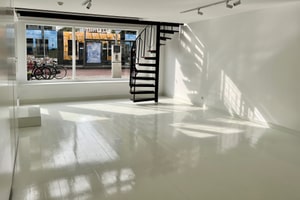
Art Gallery
∙
Amsterdam
55 m²
from 720€ per day
See on map

Event Space
∙
Amsterdam
60 m²
from 900€ per day
See on map

See on map
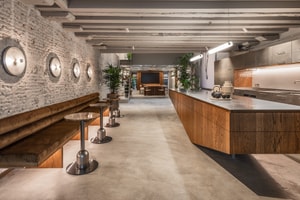
Meeting Space
∙
Amsterdam
335 m²
from 1.140€ per day
See on map
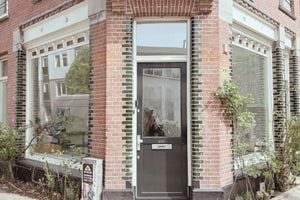
Boutique / Shop
∙
Amsterdam
35 m²
from 420€ per day
See on map

See on map

See on map

Meeting Space
∙
Amsterdam
45 m²
from 684€ per day
Pop-Up Gallery and Exhibition Space in De Pijp, Amsterdam
De Pijp sits south of the Singelgracht between the Stadhouderskade to the north, the Amstel to the east, the Amstelkanaal to the south and the Hobbemakade to the west. Built in the 1870s on a grid of long, narrow plots, the district has one of the highest concentrations of restaurants, cafes and bars per street in the city, and its audience skews young, international and social. For a pop-up gallery or temporary exhibition, that mix of foot traffic and evening energy makes De Pijp one of the more interesting positions in Amsterdam.
What Makes De Pijp Work for Art
De Pijp's building stock is late-nineteenth-century speculative housing: narrow frontages, ground-floor units of roughly thirty to seventy square metres, basements below, and residential above. Very few units are listed, so fit-out is freer here than in the canal ring, and shopfronts are more varied and more modern as a result. For a temporary art gallery or exhibition space, that freedom means walls can be painted, lighting rigs installed and layouts changed without the heritage constraints that apply across the water.
The cross-streets off the Albert Cuypmarkt are where the independent layer sits. The Gerard Doustraat carries small design shops, plant shops, vintage stores and cafes, with the market's footfall spilling into it minus the noise. The Eerste van der Helststraat is the busiest of the cross-streets, with terraces, bakeries and small shops between the market at one end and the Marie Heinekenplein at the other. Both carry units suited to a short-term art space or exhibition hall.
Exhibition Space Types in De Pijp
The district offers several formats for a pop-up gallery or art show:
-
Ground-floor units on the cross-streets, typically thirty to fifty square metres, with street-facing windows and enough wall space for a focused collection
-
Converted basement spaces beneath the residential floors, suited to intimate exhibitions or art studio use where natural light is secondary to atmosphere
-
Hospitality partnership formats, where a cafe or restaurant hosts an exhibition on its walls or gives over its space for an evening opening, which is a natural art activation format in De Pijp
The Ferdinand Bolstraat is the only street in the district with larger units and a metro station on it, making it the option for anything needing more scale. The Van Woustraat is longer, cheaper and trades to a resident customer rather than visitors, which suits a quieter, more considered art space for rent.
When to Book an Art Space in De Pijp
De Pijp is one of the most weather-sensitive districts in Amsterdam. A warm week transforms foot traffic across the whole neighborhood, and the Sarphatipark fills with people from the first good day of spring to the last of autumn. Summer evenings run late and streets stay busy past midnight. In winter, the same streets empty by seven.
The city runs an illuminated art route along the canal ring from late November into mid-January, which keeps evening foot traffic higher than a northern European city at this latitude would otherwise see. The electronic-music week in the second half of October brings an international, brand-literate audience that fills the city for several days, and De Pijp's hospitality density makes it a natural base for that crowd. The Sinterklaas gifting season peaks around 5 December, earlier than Christmas in most markets, and creates a compressed three-week retail window from mid-November.
For a pop-up gallery that depends on passing foot traffic, the shoulder seasons deliver a resident population that is still in town combined with good weather and longer daylight. High summer is busy with visitors but thinner with locals.
Getting to De Pijp
The De Pijp metro station on the Ferdinand Bolstraat puts this district within a few minutes of Amsterdam Centraal and Amsterdam Zuid. Trams run along the Ferdinand Bolstraat and the Van Woustraat. The museum quarter and Oud-Zuid sit immediately across one canal to the west, and the City Centre is a short ride north.
Servicing a unit on the Albert Cuypstraat is a scheduling consideration: the market occupies the roadway through the trading day, so deliveries arrive before build or after clearance, routed through the cross-streets and the Ferdinand Bolstraat.
Nearby Art Spaces in Amsterdam
De Pijp is one of several districts where short-term art space in Amsterdam is available. The Canals area offers heritage canal-house spaces with a different character. Amsterdam East carries converted industrial buildings. Each trades to a different audience and at a different price point, so the choice depends on the kind of show and the crowd it needs.
For a look at how brands have used Amsterdam for creative activations, read how Amnesty International ran a pop-up store in Amsterdam or how brands use pop-up spaces during Amsterdam Dance Event.
FAQ
What types of exhibition space are available in De Pijp?
The district's building stock runs to ground-floor units of thirty to seventy square metres, basement spaces and hospitality venues that host art on their walls. Fit-out freedom is greater here than in the canal ring, because very few buildings are listed. Formats range from a focused gallery show in a cross-street unit to a larger exhibition hall setup on the Ferdinand Bolstraat.
How do I get to De Pijp for a gallery opening?
The De Pijp metro station sits on the Ferdinand Bolstraat, with tram lines running along the same street and the Van Woustraat. Amsterdam Centraal and Amsterdam Zuid are both a few minutes away by metro. Most visitors arrive by bicycle or on foot from the surrounding districts.
Is De Pijp suitable for a pop-up gallery in winter?
De Pijp is weather-sensitive and foot traffic drops noticeably once temperatures fall. The city's winter light festival from late November into mid-January keeps evening movement higher than it would otherwise be, and the Sinterklaas season around 5 December creates a concentrated buying window. An indoor exhibition format works year-round; anything depending on passing street traffic is stronger from spring onward.
Can I rent an art studio in De Pijp for a short period?
Small units on the Gerard Doustraat and the cross-streets off the market are among the cheapest credible addresses in central Amsterdam, and their size suits an art studio or intimate gallery format. Rates vary by location, size and timing, so contact the host directly for current availability.
What makes De Pijp different from other Amsterdam art districts?
De Pijp is a food and hospitality district first, which means its audience is young, social and evening-weighted. Art here tends toward the accessible, the social and the pop-up rather than the institutional. The museum quarter is one canal away and draws a different crowd entirely.


