We use cookies and similar technologies to track your activity and improve your experience.
Sort by
Recommended
See on map
See on map

See on map
See on map

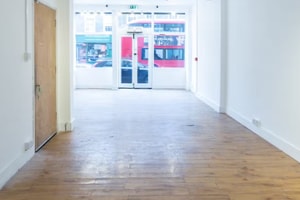
Art Gallery
∙
Chalk Farm
700 sq ft
from £480 per day
See on map

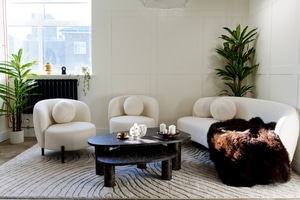
Meeting Space
∙
Greater London
1,615 sq ft
from £660 per day
See on map

See on map

Short-Term Commercial Space for Hire in Camden, London
Popular venues in Camden, London:Cheap Commercial Property in Camden, London ; Large Commercial Space For Rent in Camden, London ; Small Retail Space in Camden, London ; Storefront With Apartment in Camden, London
Camden is a market-led district with very high visitor numbers, built around the canal and the market halls. For brands looking for temporary commercial space, it offers something most of central London does not: a direct route into short-term retail through market operators who let stalls and units by the day or the week, alongside conventional street-front shops available for longer runs.
Flexible commercial space here suits accessible price points, merchandise and food formats. The customer base is young, high-volume and price-sensitive, so volume is the opportunity rather than basket size. Whether you need a small lock-up inside the market halls or a street-facing unit with a window, Camden has short-term space for hire across a range of sizes and formats.
Where to Find Space in Camden
Camden Market is a connected series of sites along Regent's Canal and around the Stables, holding hundreds of small stalls and units. It is one of the most visited attractions in London and trades every day, though footfall is heavily weekend-weighted. Stall lettings run through the market operators rather than through conventional leases, making it one of the easiest places in the city to take a short-term pitch.
Camden High Street and Chalk Farm Road carry the retail between the station and the market halls. Almost all of it is small-unit and visitor-facing, so a pop-up shop on either road sits inside an existing flow of foot traffic rather than having to generate its own.
Parkway is Camden's quieter local high street away from the market crowds, better suited to a format that relies on a neighbourhood catchment rather than passing tourists. For a different feel again, Regent's Canal runs east through Camden toward King's Cross, and the yards and wharves along the towpath have been converted to studios and retail space.
What Kind of Space to Expect
London retail units are small by international standards. Outside the flagship streets, a typical ground-floor shop is a narrow Victorian or Georgian frontage over one or two floors, often with a basement and limited rear access. Brands used to larger floorplates should expect to work vertically rather than horizontally.
Inside the market halls, the stock runs to stalls and lock-ups rather than conventional shops. Anything needing a full retail fit-out, storage or step-free servicing should look at the street frontages along Camden High Street or Chalk Farm Road rather than inside the market sites.
Camden sits in the NW1 postcode area, though postcodes do not follow district boundaries exactly, so a search by code and a search by district name may not return an identical set of addresses.
Who This Space Suits
Camden's cheap rents relative to the West End and its high visitor count make it a strong fit for product launches, brand activations and pop-up shops testing a concept before committing to a longer presence. The district draws a crowd that is there to browse and buy, so merchandise, street food and experiential formats do well.
For corporate events, exhibitions and conferences, the converted canal-side studios and warehouse spaces along the towpath offer raw, adaptable rooms away from the market crowds. The commercial space for hire in Camden works best for brands with something to show or sell.
If you are looking at other parts of London, Shoreditch draws independent and emerging labels, while Mayfair serves the luxury end. Marylebone High Street and Neal Street sit on managed estates with curated tenant mixes.
When to Book
Demand for short-term space in London peaks around the fashion weeks in February and September, through the run-up to Christmas, and again around the autumn art and design festivals. Black Friday now marks the start of the Christmas trading run, and Boxing Day on 26 December opens the winter sale period, one of the highest-footfall trading days of the year.
August is the quietest month across central London, but Camden's visitor-heavy trade means it holds up better than neighbourhood high streets where residents leave. The summer school break brings tourist volume, and late August carries a distinct back-to-school trade before residents return to the local streets in early September.
Camden's trade is heavily weekend-weighted. A pop-up running Friday to Sunday captures the peak, while a midweek booking asks less and suits formats that do not depend on passing footfall.
How to Spend Less
Rates for flexible commercial space in Camden vary by location, size and timing. The real levers a renter controls are these:
-
Timing. Off-peak months and midweek dates cost less than weekends and peak season. Booking outside the Christmas and fashion week windows makes a material difference.
-
Duration. A longer booking usually earns a better daily rate than a single day. Hosts price continuity.
-
Position. A unit a few doors off the High Street asks less than one on the main run, while keeping much of the passing trade.
-
Floor and fit-out. Ground floor with a window commands the most. First floor and basement space in the same building asks less. A raw space costs less than a furnished one, so if the brand is bringing its own build, it is the better buy.
-
Flexibility. Being open on dates, or able to take a space at short notice when a host has a gap, is the single biggest lever available.
Getting There
Camden Town station is the main arrival point for visitors and sits at the top of the High Street. King's Cross St Pancras, one of the five busiest stations in London, is a short walk east and connects Camden to the rest of the city and to international rail. Chalk Farm station serves the northern end of the market area. The district is well served by bus routes along Camden Road and Chalk Farm Road.
For a deeper look at what makes a London pop-up work, read How to Start a Pop-Up Shop in London: The Complete Guide or see Before and After: 5 Stunning Pop-Up Store Transformations in London.
FAQ
Can I hire a space in Camden for just one day?
Yes. Camden's market operators let stalls and small units by the day, and many street-front spaces accept short bookings too. A single-day hire suits product launches, sampling events and market-stall tests. Deposits and terms are agreed directly with the host.
What sizes are available for short-term hire?
Most Camden units are small. Inside the market halls, expect stalls and lock-ups. Along Camden High Street and Chalk Farm Road, ground-floor shops are narrow Victorian frontages, often with a basement. Larger raw spaces exist along the canal in converted warehouses and studios.
How far ahead should I book a temporary commercial space in Camden?
For peak periods, the run-up to Christmas and the September fashion week, book as early as possible. Outside those windows, shorter lead times are common and hosts with gaps often offer better terms at short notice.
Is Camden better for pop-up retail or for events?
The market area and High Street are strongest for pop-up retail, street food and merchandise. The canal-side studios and converted spaces suit corporate events, exhibitions and brand activations. Private celebrations are not the focus here.
How does Camden compare to other London districts for pop-up space?
Camden offers high visitor volume at lower rents than the West End, with a young and browsing customer base. Shoreditch draws more of the independent fashion crowd, Mayfair serves luxury, and the managed estates like Covent Garden and Marylebone curate their tenant mix. The choice depends on the audience the brand wants to reach.


