We use cookies and similar technologies to track your activity and improve your experience.
Sort by
Recommended
See on map
Featured

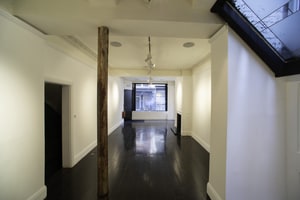
Event Space
∙
Greater London
2,000 sq ft
from £1,992 per day
Featured
5(1)
See on map

See on map
Top Space
See on map

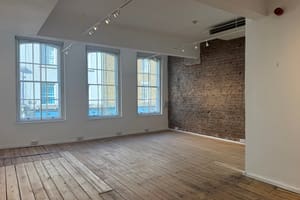
Boutique / Shop
∙
Greater London
560 sq ft
from £858 per day
5(2)
See on map
See on map

See on map

See on map

See on map

Short Term Commercial Space for Hire in Soho, London
Browse by location: Short-term commercial space in Carnaby Street, London ; Short-term commercial space in Brewer Street, London ; Short-term commercial space in Dean Street, London ; Short-term commercial space in Wardour Street, London
Popular venues in Soho, London:Cheap Commercial Property in Soho, London ; Large Commercial Space For Rent in Soho, London ; Small Retail Space in Soho, London ; Storefront With Apartment in Soho, London
Soho is a compact, dense grid of mixed-use streets in the heart of the West End, and it draws an unusually mixed crowd through the same blocks at the same time: shoppers, media professionals, gallery visitors, independent label fans and tourists. For a brand seeking temporary commercial space in Soho, that mix is the product.
Spaces here range from narrow Victorian shopfronts to basement event venues, available from a single day to several months. Retail Space For Rent listings in Soho sit across streets including Carnaby Street, Berwick Street, Dean Street and Wardour Street, each with a distinct audience and pricing tier.
Why Soho Works for Short Term Commercial Space
Soho's pull comes from its creative identity as much as its footfall. The neighbourhood has long been home to independent record shops, art galleries, media agencies and live music venues, and that heritage draws a genuinely engaged street-level audience rather than purely transactional shopping traffic. A brand taking short term space here trades on that association from day one.
The postcode is W1, which places Soho within the West End International centre, one of only two addresses in London that the Mayor's London Plan ranks at the very top of its retail hierarchy. The other is Knightsbridge. That designation is a catchment measure: it means the area draws from a national and international pool, not just from the surrounding boroughs.
Soho is served by Oxford Circus, Piccadilly Circus and Tottenham Court Road stations, making it one of the best-connected parts of London for brands, visitors and industry professionals alike. Foot traffic runs across the week rather than concentrating on weekends, so a Tuesday or Wednesday activation here reaches a working audience rather than a weekend crowd.
Who Books Space for Hire in Soho
Soho sits at the intersection of three distinct buyer types, and the neighbourhood's mixed character is what makes it work for all three.
Fashion and retail brands use Soho for pop-up shops, sample sales and product launches, drawn by the creative reputation and the density of independent cultural businesses nearby. Streetwear labels, beauty brands and emerging designers treat Soho as a natural fit because the neighbourhood's existing audience overlaps closely with their own.
Corporate and experiential teams hire space in Soho for brand activations, media launches and industry-facing events. The concentration of post-production houses, advertising agencies and media businesses means the area already functions as a professional gathering point, and a temporary commercial space here reaches that audience without advertising.
Showroom operators and press-day organisers choose Soho for its address value and its appointment-friendly upper-floor units. A showroom launch or a gallery activation in W1 carries a positioning that the same square footage in a less central location does not.
Streets for Space Hire in Soho
The street you choose shapes your audience, your footfall rhythm and your daily cost. Rates and unit sizes vary significantly across the neighbourhood.
Carnaby Street sits within a managed estate that curates its tenant mix and promotes new openings to its own audience. Units are pedestrianised and high-visibility, making it the natural choice for product launches and fashion activations. Rates reflect that position.
Berwick Street holds a long-running street market and the remains of the record shop trade on narrow frontages. It draws an independent, culturally engaged crowd and offers genuine Soho footfall at a lower cost than the Carnaby estate.
Dean Street runs through the centre of the neighbourhood and suits showrooms, sample sales and brand experiences where the space itself is the draw rather than passing walk-in traffic.
Wardour Street sits in the post-production and media corridor of Soho and works well for event-driven retail and industry-facing activations.
Brewer Street connects the Carnaby estate to Piccadilly Circus and carries a mix of ground-floor units suited to short-term hire.
For broader context on how Soho fits within the wider city, compare with Mayfair if your brief calls for a more formal luxury positioning, or Covent Garden if your audience skews toward mainstream consumer footfall.
Types of Temporary Commercial Space Available
Soho's Victorian and Georgian building stock produces a varied set of unit types and use cases.
Street-level shopfronts with glazed frontages suit walk-in retail, pop-up shops and window displays, and are the most common format on the managed estates.
Basement and lower-ground units are suited to immersive experiences, gallery activations and private shopping events where atmosphere matters more than spontaneous footfall.
First-floor and upper-level spaces work for showrooms, press days and appointment-based retail where visitors arrive by prior arrangement.
Use cases across all three formats include retail and fashion pop-ups, showroom launches, art gallery activations, media and tech experiential events, sample sales and press days. The neighbourhood's short-term market covers each of them, and the space for hire here is genuinely diverse.
Most units are available unfurnished. Some include shelving, lighting and wifi; others are offered as raw shells for brands that want full creative control. Check each listing for what is included before comparing costs.
When to Book Short Term Space in Soho
Demand for temporary commercial space in Soho peaks at predictable points in the London calendar. London Fashion Week runs twice a year, in February and September, and brings a concentration of industry buyers, press and brand teams into the neighbourhood. Inventory tightens on the streets closest to the relevant venues during those weeks.
The Christmas trading period, running through to Boxing Day on 26 December, is the highest-demand window of the year for retail space across the West End. Black Friday, which falls on the Friday after the fourth Thursday of November, now marks the start of that trading run in the UK and is worth building into a November activation brief.
The summer visitor season, running from late spring through August, brings the highest international tourist footfall and suits brands whose customer is a visitor rather than a Soho resident. August is the quietest month for office workers and local professionals, so the character of the street-level audience shifts noticeably.
Outside peak windows, availability is broader and the terms are more negotiable. Some hosts accept same-day bookings; the managed estates on Carnaby and Kingly Court tend to move on shorter lead times than street-level Victorian units, which often require more preparation time. The best-positioned units move quickly regardless of season.
If you are planning around a specific industry moment, the case studies of Kodak Launches Experiential Pop-Up Store in London's Soho and Cadbury Launches an Edible Flower Pop-Up Store in London's Soho Square show how brands have used Soho's cultural profile to amplify their activations.
FAQ
What kinds of brands book short term commercial space in Soho?
Soho suits fashion and streetwear labels, independent beauty and lifestyle brands, media and tech companies running experiential launches, showroom operators and creative studios testing a physical retail format. The neighbourhood's mixed audience of tourists, industry professionals and local residents means it works for both consumer-facing and trade-facing activations.
How does temporary commercial space in Soho differ from Covent Garden or Mayfair?
Covent Garden draws a higher proportion of tourists and suits mainstream consumer brands. Mayfair carries a luxury positioning and a more formal commercial character. Soho sits between the two: it draws a creative, culturally engaged audience alongside significant tourist and West End footfall, and its street-level units are more varied in format than either area.
What is included in a Soho short term rental?
This varies by listing. Some units include lighting, shelving and wifi in the daily or weekly rate; others are offered as empty shells. Deposits, insurance and cleaning terms are agreed directly with the space owner and differ by listing, duration and type of activity. Review each listing carefully before comparing costs.
Can I rent a space in Soho for a single day?
Many listings in Soho accept single-day bookings. One-day rentals are used for product sampling, press preview events and brand activations. Minimum booking lengths are set by each host, so check the individual listing for its terms.
Do I need permits or licences for a retail activation in Soho?
Requirements depend on the nature of the activity, the space and the relevant local authority. It is worth confirming what applies to your activation before booking. The space owner can often advise on what previous tenants have needed, and the council is the definitive source for any formal requirements.


