We use cookies and similar technologies to track your activity and improve your experience.
Sort by
Recommended
See on map

Boutique / Shop
∙
Madrid
110 m²
from 600 € per day
See on map

See on map
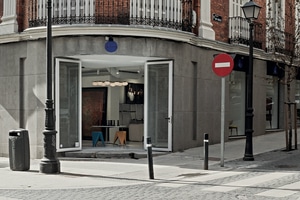
Unique Space
∙
Madrid
167 m²
from 1.560 € per day
See on map

Creative Space
∙
Madrid
140 m²
from 1.800 € per day
See on map

See on map

See on map

Apartment / Loft
∙
Madrid
40 m²
from 96 € per day
Pop-Up Shop in Chueca, Madrid
Chueca is one of the most visited districts in central Madrid, a dense grid of narrow streets north of Gran Vía that draws a young, brand-literate audience year round. The neighborhood rewards fashion, footwear, grooming, beauty and hospitality, and its evening economy keeps the streets busy long after most Madrid districts wind down. For a pop-up store in Chueca, Madrid, the combination of style-led footfall and moderate central rents makes it one of the strongest short-term retail locations in the city.
Why Chueca works for a pop-up store
Chueca transformed from a run-down quarter into a fashion and nightlife center, and its catchment reflects that history: the LGBTQ community from across Spain, a young design-aware Madrid audience and a heavy visitor flow. The district responds to newness, which is exactly what a pop-up store offers. Bars and restaurants carry the district after shops close, so a retail unit here benefits from evening spill in a way most Madrid districts do not. Plaza de Chueca is the social heart, and its terraces anchor the foot traffic that feeds the surrounding streets. If you are weighing Chueca against other locations, browse all available retail space in Madrid to compare.
The streets and what to expect from the stock
Stock in Chueca is small ground-floor units in older residential blocks on narrow streets. Calle de Hortaleza runs the length of the district as its commercial spine. Calle Augusto Figueroa is known for its footwear, historically factory-sample shops, and it remains a specific retail draw. Calle Fuencarral runs along the western edge and separates Chueca from Malasaña, carrying mass-market and streetwear chains. Units are genuinely small, so a brand used to a wide frontage should plan accordingly. The district is compact and the viable addresses are few: count them rather than assume Chueca is a large opportunity.
Timing a pop-up shop in Chueca
Spring and autumn are the strongest trading seasons across Madrid, roughly April to June and September to early December, when the weather is comfortable and the city is full. January is thin after Reyes, and August empties much of the population out of the city entirely. Chueca holds up better in August than most of central Madrid because its visitor share is high, but the strongest windows remain the shoulder seasons.
Madrid Pride in early July is the district's defining week and among the largest in the world, closing the streets and filling them for days. Brand presence during Pride is expected rather than novel, and a token appearance is judged harshly. Beyond Pride, the district trades steadily year round with an evening weighting and a pre-Christmas lift. ARCOmadrid, one of the major contemporary art fairs in Europe, brings the art and design audience directly into the quarter.
How to spend less on a pop-up in Chueca
Rents in Chueca sit in the middle of the central Madrid range, below Salamanca and Gran Vía and above Malasaña and Lavapiés. The real levers on cost are the ones you control:
-
Timing. Off-peak months and midweek dates cost less than peak weekends or Pride week.
-
Duration. A longer booking usually earns a better daily rate because the host is pricing continuity.
-
Position. A side street a few doors off Hortaleza or Fuencarral asks materially less than the main run itself while keeping much of the passing trade.
-
Fit-out. A finished, furnished space costs more than a raw one. If the brand is bringing its own build, the raw space is the better buy.
-
Flexibility. Being open on dates, or able to take a space at short notice when a host has a gap, is the single biggest lever a renter controls.
The Chueca customer
Madrid's customer base is more domestic than Barcelona's, drawing heavily from the rest of Spain and from Latin America rather than from Northern European city breaks. In Chueca specifically, the audience is style-led and quick to adopt: beauty, grooming, fashion and hospitality are the natural fits. The district also carries a cluster of commercial art galleries, which reinforces its curated character and brings a specific audience. For brands with a community angle, this is a neighborhood where a genuine relationship matters more than a billboard. Understand what a pop-up shop is and how it maps to this kind of engaged audience.
Trading hours and local rhythm
Madrid eats and trades late. Lunch runs from around two, dinner from nine or ten, and nightlife starts when many cities are closing. Chueca trades hard from the afternoon into the night and all weekend, and its daytime is quieter than its reputation suggests. A brand importing Northern European trading hours will miss the evening entirely. Madrid is open every Sunday, which is a practical advantage over Barcelona for short-term retail. Card and contactless payment are universal, and Bizum, a bank-run instant transfer service, is increasingly used with small businesses.
Getting to Chueca
Chueca has its own metro station, with Gran Vía and Alonso Martínez a short walk away. The central districts are compact and walkable, and fares across metro, bus and suburban rail are integrated under a single zone for the whole city, so one ticket type covers a crew without worrying about zones. The streets are narrow and largely pedestrian, so servicing is by hand cart and delivery windows. Guest logistics are straightforward: taxis are widely available at short notice, including a fixed fare from the airport. For showroom bookings in Chueca or event space in the district, the same access applies.
Frequently Asked Questions
What kind of pop-up shop works best in Chueca, Madrid?
Fashion, footwear, grooming, beauty and hospitality are the strongest fits. The catchment is young, brand-literate and quick to adopt, and the district rewards brands with a genuine community relationship rather than a generic retail presence.
When is the best time to open a pop-up store in Chueca?
The strongest windows are April to June and September to early December. Pride week in early July is the district's defining moment but requires authentic commitment. Avoid August for anything that depends on the local population, though visitor-facing formats can still work.
How can I reduce the cost of a pop-up shop in Chueca?
Book during off-peak months, choose a longer duration for a better daily rate, consider side streets rather than the main commercial spines, and opt for a raw space if you are bringing your own fit-out. Flexibility on dates is the single biggest lever.
Are pop-up shop spaces in Chueca large?
Units are genuinely small ground-floor spaces in older residential blocks on narrow streets. A brand used to a wide frontage should plan for a compact format and check dimensions carefully before booking.
How do I measure whether my Chueca pop-up was successful?
Track footfall, conversion rate, average transaction value and social engagement throughout the run. For a detailed framework, read the guide on how to measure pop-up shop success.


