We use cookies and similar technologies to track your activity and improve your experience.
Sort by
Recommended
See on map

See on map
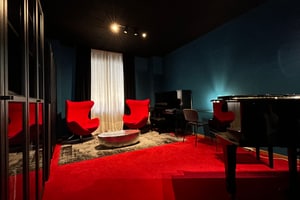
Event Space in Sol, Madrid
Sol is the symbolic and geographic center of Madrid, the point from which all Spanish road distances are measured. For brands planning a pop-up event in Sol, Madrid, that centrality translates into the densest visitor footfall in the city, an interchange served by three metro lines and a major Cercanías station, and walkable connections to Gran Vía, the Barrio de las Letras and La Latina. It is, by a wide margin, the most connected address in the city for a short-term event.
Why Sol works for short-term events
Sol delivers volume. The pedestrianised streets around Puerta del Sol and Plaza Mayor carry more passing foot traffic than any other district in the city, and the square itself is the gathering point for city-wide occasions: New Year's Eve and the San Isidro festivities that fill the center with free concerts and traditional dress. The Cabalgata de Reyes on the evening of 5 January fills the Castellana and Cibeles a short walk away.
That makes it a strong fit for brand activations, product launches and experiential formats that thrive on numbers rather than on a curated audience. If an event needs visibility and walk-in traffic above all else, Sol is the obvious choice. Brands looking for a more considered, intent-driven audience may find that other event spaces across Madrid suit that goal better.
The Sol audience: what to expect
The customer base here is overwhelmingly visitors and passing shoppers rather than local residents. Very few people live in the immediate core, and the retail around Plaza Mayor leans heavily toward souvenirs. The quality of the commercial offer drops sharply within a few streets of the square.
This matters for event planning. A format that rewards impulse, curiosity or mass-market appeal will convert well. Anything that needs a repeat visitor or a considered decision is buying footfall it cannot use. Be honest about why Sol suits the event before committing to the location.
Timing an event in Sol
Spring and autumn are the strongest seasons for an event in Sol, roughly April to June and September to early December, when the weather is comfortable and the city is full. The Christmas season extends through 6 January because Spain gives gifts at Epiphany rather than on 25 December, shifting the peak into the first week of January.
August empties the city. Madrid sits on a high plateau with extreme summer heat, and much of the population leaves. Sol holds up better than residential districts because visitor traffic continues, but a locally targeted event should avoid the month entirely. January after Reyes is thin, and July is viable mainly for tourist-facing formats.
Madrid also trades late. Dinner starts at nine or ten, and nightlife follows. An event importing Northern European hours will miss the evening entirely. Plan the run of show around the city's actual rhythm, not the one a brand is used to at home.
Getting to Sol
Sol is the single best-connected point in Madrid. The metro interchange and Cercanías station bring a very large share of the region's shoppers directly into the district. Fares are integrated across metro, bus and suburban rail under the Consorcio system, and the entire city sits in zone A, so a single ticket type covers a whole activation and neither crew nor guests need to think about fare zones.
Public transport here is inexpensive against the cost of the activation it serves. Taxis are widely available at short notice, including a fixed fare to and from the airport, which simplifies guest logistics for an evening opening. The metro does close overnight, but the búho night bus network radiates from Sol and Cibeles to cover the gap.
Logistics and delivery
The pedestrianised core around Calle Preciados and Calle del Carmen makes deliveries difficult. Restricted delivery windows apply, and a format with frequent restocking needs its logistics checked against the specific street before signing.
On-street parking in the central zone is metered under the SER scheme and priced by emissions class, with residents prioritized. Combined with the low-emission zone, a crew should book an off-street car park rather than rely on finding a space. Long-distance coaches arrive at other interchanges, so visitors from outside Madrid reach Sol by metro rather than directly.
What Sol costs, and how to spend less
Sol sits toward the upper end of central Madrid pricing, driven by footfall volume rather than by the quality of the space itself. Units around Preciados and Carmen are mid-sized and heavily fitted for chain retail, with little irregular or characterful stock left in the immediate core.
The real levers for managing cost on an event space rental in Sol, Madrid:
-
Timing. Midweek dates and off-peak months ask less. An event competing with a city-wide moment like New Year's Eve pays for that competition.
-
Duration. A longer booking usually earns a better daily rate because the host is pricing continuity, not a single let.
-
Position. A side street a few doors off the main pedestrian run asks materially less while keeping much of the passing trade.
-
Floor. Ground floor with a window commands the most. Upper-floor and basement space in the same building asks less.
-
Flexibility. Being open on dates, or able to book at short notice when a host has a gap, is the single biggest lever a renter controls.
Beyond events: other spaces in Sol
Sol carries stock suited to more than one format. Brands running a product launch may pair an event venue with a pop-up shop in Sol on the same street. A showroom in Sol works for a press day or a buyer appointment during a quieter window. And for corporate formats that need a meeting setup rather than an open-floor venue, conference rooms in Sol are available on the same short-term basis.
For a broader view of what is available across verticals, browse the full Sol listings page.
Frequently Asked Questions
What types of events suit Sol in Madrid?
Sol works best for high-visibility, high-footfall formats: brand activations, product launches, experiential pop-up events and corporate hospitality aimed at a broad audience. The district carries the densest visitor traffic in the city. Events that depend on a curated, repeat or local audience may convert better in a residential neighborhood.
When is the best time to book an event space in Sol?
The strongest windows are April to June and September to early December, when the weather is comfortable and the city is full. The Christmas season extends through 6 January. Avoid August, when extreme heat empties the city, and the weeks after Epiphany in January, when trade is thin.
How do I manage deliveries for a pop-up event in Sol?
The pedestrianised core imposes restricted delivery windows. Check the specific street's timetable before signing. Book off-street parking for any crew vehicles, as on-street metered parking is emissions-priced and residents have priority under the SER scheme.
How accessible is Sol for event guests?
Sol is the best-connected point in Madrid, with a major metro interchange and Cercanías suburban rail station. The entire city falls within a single fare zone, so guests pay one ticket type regardless of where they travel from. Taxis are widely available at short notice, including a fixed airport fare.
How can I reduce the cost of an event space in Sol?
Book midweek or in off-peak months, opt for a longer duration to improve the daily rate, consider a side street rather than the main pedestrian run, and look at upper-floor or basement space rather than ground-floor frontage. Flexibility on dates is the single biggest lever.


